
No products in the cart.
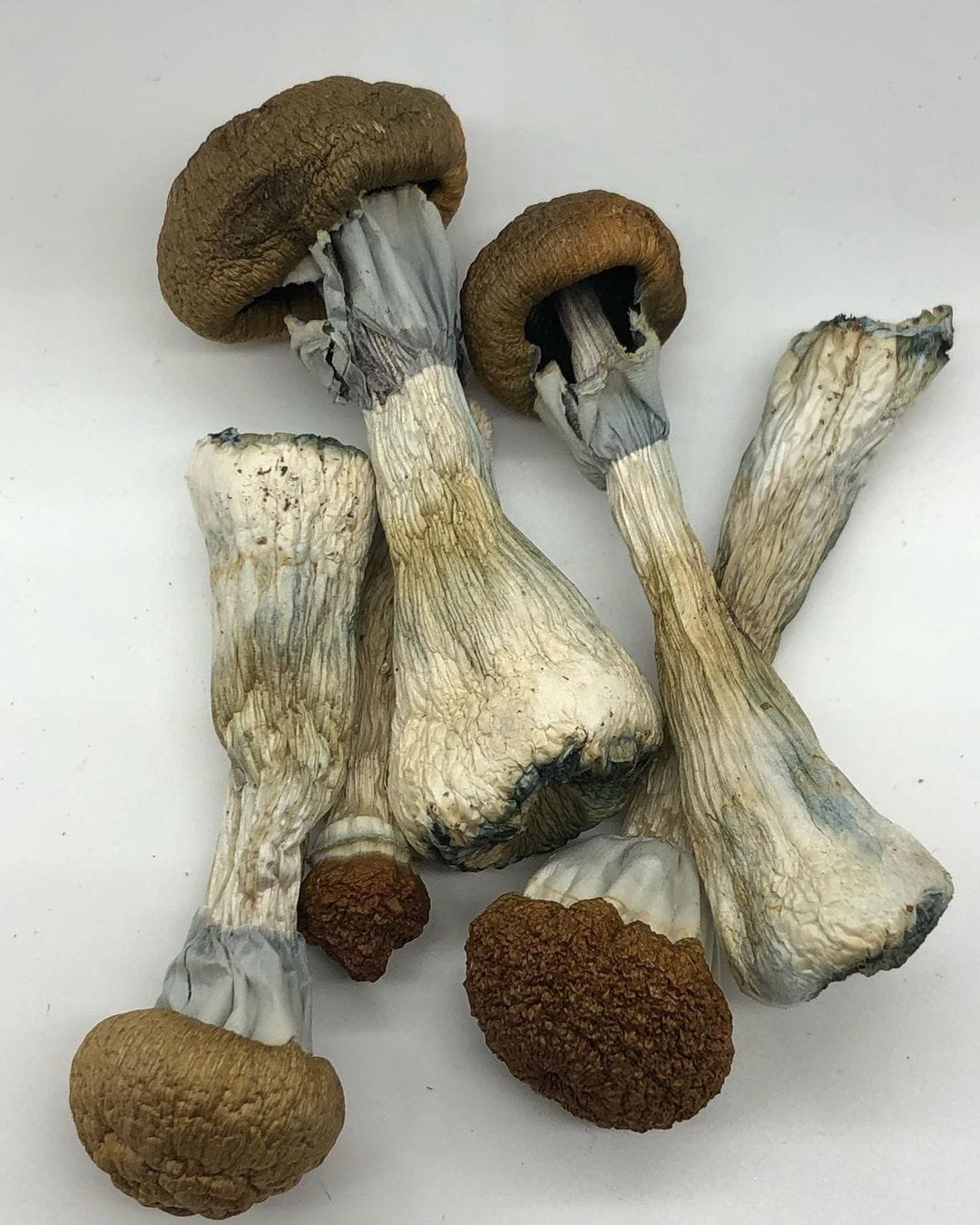
Golden Teacher Mushroom Strain – Enlightening Psilocybin for Mind Expansion
Price range: $180.00 through $910.00
The Golden Teacher Mushroom Strain is renowned for its powerful, introspective effects and spiritual guidance. A trusted favorite for personal growth, now available from a licensed supplier.
Golden Teacher Mushroom: Science, Identification, Potency, and Legal Guide
Golden Teacher mushroom is the informal name for a cultivated lineage of Psilocybe cubensis, a psilocybin-containing fungus known for golden-to-caramel caps, purple-brown spores, and blue bruising after tissue damage. Golden Teacher is not a separate species or formally recognized botanical variety, and its cultivar name cannot reliably predict potency, genetics, or microscopic identity.
Golden Teacher Quick Facts
| Feature | Detail |
|---|---|
| Scientific species | Psilocybe cubensis (Earle) Singer |
| Family | Hymenogastraceae |
| Order | Agaricales |
| Taxonomic status | Informal cultivar name, not a separate species or variety |
| Cap color | Golden yellow to caramel or tawny brown |
| Spore print color | Purple-brown to dark violaceous brown |
| Reported spore dimensions | Approximately 11.5–17 × 7.5–12 μm (published P. cubensis descriptions) |
| Key active compounds | Psilocybin, psilocin, baeocystin, norbaeocystin |
| U.S. federal legal status | Psilocybin and psilocin are Schedule I controlled substances under the Controlled Substances Act |
What Is a Golden Teacher Mushroom?
Golden Teacher mushroom is an informal cultivated lineage of Psilocybe cubensis, a psilocybin-producing fungus in the family Hymenogastraceae. Golden Teacher is not a separate species or formally recognized taxonomic variety, and no standardized genetic reference sequence currently defines every specimen sold or traded under the name.
The name does not correspond to any entry in the formal mycological literature. In taxonomy, “Golden Teacher” functions as a cultivar or strain designation used within cultivation communities, comparable to informal variety names in horticulture, except that it lacks the standardization, registration, or genetic verification that agricultural cultivar systems typically require.
Psilocybe cubensis belongs to the family Hymenogastraceae, order Agaricales, class Agaricomycetes, phylum Basidiomycota. The species was formally described by Franklin Sumner Earle in 1906 and subsequently revised by Rolf Singer in 1949. All informally named cultivated lineages, including Golden Teacher, represent selections within this single species rather than distinct biological entities. Their classification is documented in the Index Fungorum and MycoBank databases, which serve as the primary international nomenclatural registries for fungal taxa.
Because no regulatory or scientific authority maintains a formal register of Psilocybe cubensis cultivar names, the name “Golden Teacher” carries no guaranteed biological specificity. Two specimens sold under the same name may differ in genetics, morphology, and alkaloid content.
What Science Can and Cannot Tell You About Golden Teacher
Science can characterize Psilocybe cubensis taxonomy, morphology, spore structure, and alkaloid chemistry with reasonable precision. What science cannot currently do is authenticate Golden Teacher from morphology alone, establish a universal Golden Teacher potency percentage, or verify a canonical Golden Teacher genome, because no scientifically standardized reference lineage exists for this cultivar name.
This distinction matters practically. Claims about Golden Teacher potency, effects, or identity that circulate in commercial and community contexts frequently exceed what documented evidence supports. The macroscopic and microscopic features described in this article apply to Psilocybe cubensis as a species. Where evidence is specific to the Golden Teacher lineage, that specificity is noted. Where it is not, the broader species context is made explicit.
Golden Teacher Mushroom History and Origin
The earliest documented references to Golden Teacher as a named cultivated lineage appear in hobbyist cultivation communities during the 1980s and 1990s, though a precise origin date and originator are not established in any verified published source. The name is commonly attributed to North American enthusiast circles, where informal strain naming has been a consistent feature of amateur mycology culture.
Unlike formally bred agricultural cultivars, Psilocybe cubensis lineages are maintained through spore propagation and mycelial transfer within largely unregulated networks. Genetic drift, contamination, mislabeling, and selective pressure across successive cultivation generations mean that material currently circulating under the Golden Teacher name may differ substantially from whatever stock first carried it. No publicly available genetic reference sequence has been authenticated as the canonical Golden Teacher lineage in the peer-reviewed literature.
Psilocybe cubensis Golden Teacher Characteristics and Taxonomy
Psilocybe cubensis is a saprotrophic basidiomycete most commonly encountered growing on cattle and horse dung in subtropical and tropical regions worldwide. Its taxonomic placement has been revised over time as molecular phylogenetics replaced purely morphological classification.
The current accepted classification recognized by Index Fungorum and MycoBank is as follows.
- Kingdom: Fungi
- Phylum: Basidiomycota
- Class: Agaricomycetes
- Order: Agaricales
- Family: Hymenogastraceae
- Genus: Psilocybe
- Species: Psilocybe cubensis (Earle) Singer
The genus Psilocybe contains numerous psilocybin-producing species distributed across multiple continents. Psilocybe cubensis is among the most widely cultivated, primarily because it grows reliably on organic substrates under controlled indoor conditions. Golden Teacher is one of many informal lineage names applied to cultivated P. cubensis material, alongside names such as Penis Envy, B+, Albino A+, and many others.
Golden Teacher Mushroom Identification
Golden Teacher mushrooms are commonly described as having golden-to-caramel caps, pale fibrous stipes, an annulus, purple-brown spores, and blue bruising after tissue damage. These features are broadly characteristic of Psilocybe cubensis and cannot by themselves authenticate the Golden Teacher lineage or safely identify an unknown wild mushroom.
Macroscopic Characteristics
Pileus (cap): The cap ranges from golden yellow to caramel or tawny brown at the center, often paling toward the margin. Young specimens are typically convex or campanulate. As they mature, the cap expands and flattens, sometimes developing a low central umbo. Surfaces are generally smooth and may become viscid when moist. Mature diameters in cultivation commonly fall between 2 and 8 centimeters, though substrate composition, humidity, and temperature strongly influence final size.
Stipe (stem): The stipe is pale whitish to cream, fibrous, and roughly cylindrical, sometimes widening toward the base. Stipes attributed to Golden Teacher are frequently described in cultivation communities as relatively long compared to some other P. cubensis lineages, but this is an informal observation based on variable growing conditions rather than a measured diagnostic criterion.
Lamellae (gills): Gills are adnate to adnexed, initially pale gray, and darken progressively to purple-brown or nearly black as basidiospores mature. Gill edges are often described as finely fringed or uneven.
Annulus: A membranous annulus forms from the partial veil that originally covers the developing gills. It persists on the upper stipe and typically accumulates a dark purple-brown spore deposit as the mushroom matures.
Blue bruising: Damaged tissue including the stipe base, cap margin, and gills typically discolors to blue or blue-green within minutes of physical injury. This reaction involves the oxidation of psilocin and related indole compounds to blue-pigmented oligomeric products, a reaction documented in published chemical analyses of psilocybin-containing fungi. Blue bruising is a characteristic feature of many psilocybin-containing fungi and is not unique to Psilocybe cubensis or to the Golden Teacher lineage.
How to Identify Golden Teacher Mushrooms Safely
No combination of macroscopic field features can safely distinguish Psilocybe cubensis from all potentially harmful lookalike species encountered in wild settings. This limitation is especially important because certain Galerina species, particularly Galerina marginata, can resemble small brown ring-bearing mushrooms. Galerina marginata contains amatoxins and has caused fatal poisonings. While its spore print is typically rusty brown rather than purple-brown, field conditions and observer error make visual identification unreliable as a standalone safety measure. The North American Mycological Association maintains resources on mushroom poisoning cases and identification safety.
Reliable species identification requires a combination of macroscopic examination, spore print color, microscopy, documented substrate and habitat, and ideally molecular analysis through DNA sequencing of the internal transcribed spacer region. For any mushroom under consideration for consumption, expert verification by a qualified mycologist is the appropriate standard.
Cultivated material sold or traded as Golden Teacher is subject to labeling errors and mislabeling. The presence of a Golden Teacher label does not guarantee identity, purity, or alkaloid content.
Golden Teacher Spores and Microscopy
What Do Golden Teacher Spores Look Like Under a Microscope?
Golden Teacher spores have the microscopic characteristics of Psilocybe cubensis: generally smooth, pigmented, thick-walled, and ellipsoid with an apical germ pore. Published species descriptions report dimensions of approximately 11.5–17 × 7.5–12 μm, depending on the source and measurement method. Microscopy can support species-level identification but cannot independently establish Golden Teacher cultivar provenance.
Microscopy of Psilocybe cubensis basidiospores reveals the following features, consistent with formal species descriptions in the mycological literature.
- Shape: subellipsoid to broadly ellipsoid
- Surface: smooth
- Wall: thick, sometimes appearing layered in certain mounting preparations
- Pigmentation: purple-brown to violaceous under transmitted light
- Germ pore: present, truncating the spore apex
- Hilar appendage: present at the spore base
These characteristics are consistent across Psilocybe cubensis as a species. They allow microscopy to support or exclude species-level identification but do not permit cultivar-level identification. Two slides prepared from Golden Teacher and B+ spore material are microscopically indistinguishable by morphology alone.
Molecular methods, particularly internal transcribed spacer sequencing, provide substantially higher resolution for fungal identification than morphology and are the preferred approach in contemporary taxonomic work, as described in resources published by the Fungal Genetics Stock Center.
Golden Teacher Spore Print
A spore print taken from a mature Psilocybe cubensis specimen, including material attributed to Golden Teacher, characteristically produces a dark purple-brown to nearly black deposit. This color results from the pigmentation of mature basidiospores and is a useful character in combination with other identification features. Spore print color alone is insufficient to identify a mushroom to species, as multiple Psilocybe species and unrelated genera can produce dark deposits, and some toxic species share superficial morphological similarities with P. cubensis.
Golden Teacher Spore Syringe
In amateur mycology communities, spore syringes are a common distribution format for Psilocybe cubensis genetics, including material sold under the Golden Teacher name. A spore syringe consists of a sterile aqueous suspension of spores drawn into a syringe for inoculation purposes or microscopy use. For microscopy, spores can be mounted on slides in aqueous solution or appropriate mounting medium and examined at 400x to 1000x magnification to observe the morphological features described above.
Golden Teacher Alkaloid Content and Potency
Psilocybin, Psilocin, and Related Compounds
Psilocybe cubensis produces several tryptamine alkaloids. Psilocybin (4-phosphoryloxy-N,N-dimethyltryptamine) is the primary compound and functions as a prodrug, undergoing enzymatic dephosphorylation to psilocin (4-hydroxy-N,N-dimethyltryptamine) following ingestion. Psilocin acts as an agonist at serotonin receptors, with particular affinity for the 5-HT2A receptor, which is broadly understood to mediate its psychoactive effects. Baeocystin and norbaeocystin are present in smaller quantities in P. cubensis tissue; their independent pharmacological contributions in humans are not yet fully characterized in the peer-reviewed literature.
What Is the Average Golden Teacher Potency?
There is no scientifically established universal Golden Teacher potency. Psilocybin and psilocin concentrations vary among individual Psilocybe cubensis samples because of genetic, developmental, environmental, storage, and analytical factors. A cultivar name therefore cannot reliably predict the alkaloid concentration of a particular specimen.
Alkaloid concentrations in Psilocybe cubensis specimens are influenced by genetics, developmental stage at harvest, growing substrate, environmental conditions, post-harvest drying temperature, storage duration, light exposure, and the analytical method used for quantification. High-performance liquid chromatography and liquid chromatography with mass spectrometry are the standard analytical approaches in published research, and results are not directly comparable across studies using different sample preparation methods.
Published analytical work on Psilocybe cubensis has documented total psilocybin plus psilocin content in dried material spanning a wide range, generally reported below 1.5 percent by dry weight across various samples, though specific figures depend on the study population, sample preparation, and analytical method used. The Usona Institute, which conducts clinical psilocybin research, and other research organizations use synthetically produced pharmaceutical-grade psilocybin rather than natural mushroom material precisely because cultivar variability makes dose control unreliable in controlled research settings.
Fixed potency claims for Golden Teacher circulating in commercial contexts or online communities are not supported by controlled analytical data with verified sample provenance and should be treated with appropriate skepticism.
Golden Teacher vs Penis Envy
Golden Teacher and Penis Envy are informal lineages of Psilocybe cubensis. Penis Envy is associated with a distinctive thick-stiped morphology and has produced some high-potency laboratory results, but there is no scientifically established potency ratio between the two. Alkaloid concentrations vary substantially among individual samples of either lineage.
Penis Envy is another informal Psilocybe cubensis cultivar name, associated with a morphologically distinctive phenotype characterized by a dense, bulbous stipe and an incompletely opening cap. Community reports and some informal laboratory testing have suggested that Penis Envy material may contain comparatively higher alkaloid concentrations than many other P. cubensis lineages, but this observation is not consistently supported by controlled analytical studies with independently verified sample provenance.
A universal quantitative potency ratio between Golden Teacher and Penis Envy is not scientifically established. Specimens of either lineage can vary substantially in alkaloid content depending on cultivation conditions and genetic drift accumulated over successive propagation generations. Both names function as informal cultivar designations without standardized genetic or chemical definitions, meaning the same name may describe genetically distinct material in different sources.
Morphologically, Penis Envy specimens and Golden Teacher specimens differ in gross appearance under typical cultivation conditions, but these differences reflect phenotypic plasticity and cultivation variables as much as stable genetic divergence, and the distinction cannot be reliably drawn from microscopy alone.
Golden Teacher vs B+
Golden Teacher and B+ are informal lineage names within Psilocybe cubensis, not separate species. Penis Envy is associated with a distinctive morphology and some high-testing samples, while Golden Teacher and B+ substantially overlap morphologically. No scientifically validated potency ratio consistently separates these three cultivar names.
B+ is a widely circulated Psilocybe cubensis cultivar name without formal taxonomic standing. Specimens attributed to B+ are commonly described in cultivation communities as producing large fruiting bodies with broad and sometimes wavy caps, but these descriptions are based on phenotypic observation under varying conditions rather than controlled comparative studies with verified genetic authentication.
Distinguishing Golden Teacher from B+ based on morphology alone is generally not reliable. The macroscopic features associated with each name overlap substantially, and unlabeled cultivated specimens cannot typically be assigned to a specific lineage without documented provenance or molecular analysis against an authenticated reference sequence.
Comparison of Golden Teacher, Penis Envy, and B+
The following table summarizes defensible comparative attributes. Fixed potency percentages are not included because no representative, peer-reviewed analytical dataset establishes reliable ranges specific to any of these cultivar names.
| Attribute | Golden Teacher | Penis Envy | B+ |
|---|---|---|---|
| Taxonomic status | Informal P. cubensis lineage | Informal P. cubensis lineage | Informal P. cubensis lineage |
| Cap morphology | Golden to caramel, broadly convex to flat | Often darker, incompletely opening, domed | Broad, sometimes wavy margin |
| Stipe morphology | Pale, relatively long under typical conditions | Dense, bulbous, characteristically thick | Pale, variable |
| Spore print color | Purple-brown to dark violaceous | Purple-brown to dark violaceous | Purple-brown to dark violaceous |
| Microscopic spore features | Smooth, ellipsoid, germ pore present | Smooth, ellipsoid, germ pore present | Smooth, ellipsoid, germ pore present |
| Potency relative to others | Not established by controlled analysis | Some samples have tested comparatively high; not consistently established | Not established by controlled analysis |
| Morphological distinguishability | Overlaps substantially with B+ | More morphologically distinctive than most lineages | Overlaps substantially with Golden Teacher |
| Lineage verification by microscopy | Not possible | Not possible | Not possible |
Golden Teacher Caps vs Stems: Alkaloid Distribution
Some published analyses of Psilocybe species have examined alkaloid distribution between pileus and stipe tissue. Available data suggest that psilocybin concentrations may differ between tissue fractions in some specimens, with caps sometimes showing higher concentrations, though results vary across studies, species, and developmental stages.
A comprehensive, peer-reviewed analytical study specifically examining Golden Teacher tissue-fraction alkaloid distribution has not been published in the scientific literature as of the current editorial review. Conclusions about differential potency between caps and stems in Golden Teacher specimens specifically should be treated as provisional in the absence of such data.
Golden Teacher Strain Effects and Pharmacology
The pharmacological effects associated with Psilocybe cubensis consumption are mediated primarily through psilocin’s agonism at serotonin receptors, particularly the 5-HT2A receptor subtype in the cerebral cortex. Research using controlled pharmaceutical psilocybin administration has documented alterations in sensory perception, cognition, emotional processing, and the sense of self, with effects typically lasting four to six hours following oral ingestion of moderate doses.
The Johns Hopkins Center for Psychedelic and Consciousness Research and NYU Langone’s psychedelic research program have published clinical findings on psilocybin’s effects and potential therapeutic applications. These findings use pharmaceutical-grade psilocybin at precisely controlled doses, not cultivar-specific mushroom material, and cannot be assumed to translate directly to any particular cultivar or natural product preparation where alkaloid content is variable and unverified.
Golden Teacher Trip Length
Based on general psilocybin pharmacokinetics studied in controlled clinical settings, active effects from orally ingested psilocybin typically begin within 20 to 60 minutes, reach peak intensity between 60 and 180 minutes, and largely resolve within four to six hours, with some residual effects possible for several additional hours. These parameters are drawn from controlled research using pharmaceutical psilocybin and represent general estimates rather than cultivar-specific data.
No clinical study has established a trip duration specific to Golden Teacher as distinct from other Psilocybe cubensis lineages. Onset timing and total duration are influenced by total alkaloid dose, individual pharmacokinetics, whether material is consumed on an empty or full stomach, and concurrent substance use.
Golden Teacher Microdosing Research
Microdosing refers to the practice of consuming sub-perceptual doses of a psychedelic substance on a defined schedule. Interest in psilocybin microdosing has grown considerably in both research and public health contexts, and observational and randomized controlled studies have examined its potential effects on mood, cognition, and wellbeing.
Published clinical research in this area, including trials registered on ClinicalTrials.gov, generally uses pharmaceutical psilocybin rather than cultivated mushroom material. As a result, findings from formal microdosing research do not establish outcomes attributable to Golden Teacher or any other named cultivar. Natural product variability makes cultivar-specific microdosing research methodologically challenging without analytically verified, standardized material.
The evidence base for psilocybin microdosing remains under active investigation. Existing findings are mixed, and no regulatory agency has approved any microdosing protocol or product as of the current review date.
Golden Teacher Mushroom Legal Status in the United States
Psilocybin and psilocin remain Schedule I controlled substances under U.S. federal law. State and local rules concerning psilocybin-containing fungi, spores, and regulated services vary by jurisdiction. Oregon and Colorado have enacted state frameworks for specified supervised activities, but those frameworks do not repeal or supersede federal prohibition.
Federal Law
Psilocybin and psilocin are listed as Schedule I controlled substances under the Controlled Substances Act, specifically at 21 CFR § 1308.11. Schedule I classification means the Drug Enforcement Administration has determined that these substances have a high potential for abuse, no currently accepted medical use in treatment in the United States under federal standards, and a lack of accepted safety for use under medical supervision at the federal level. Possession, distribution, and manufacture of Schedule I substances are federal criminal offenses carrying significant penalties.
State Regulatory Programs
Oregon: Oregon Measure 109, approved by voters in November 2020 and now administered as the Oregon Psilocybin Services program by the Oregon Health Authority, established a regulated framework for psilocybin services. Licensed facilitators, manufacturers, and service centers may operate under this framework. Psilocybin services for adults became available beginning in 2023 under this program. The framework is restricted to supervised administration at licensed facilities and does not permit retail sale for home use.
Colorado: Proposition 122, known as the Natural Medicine Health Act, was approved by Colorado voters in November 2022. It established a regulatory framework for supervised natural medicine services including psilocybin at licensed healing centers. The Colorado Natural Medicine Division oversees program implementation. The measure also addressed personal possession and limited sharing among adults 21 and older under specific conditions and quantity limits defined in the statute.
Local decriminalization: A number of cities, including Denver, Colorado, and Ann Arbor, Michigan, have adopted resolutions deprioritizing enforcement of personal possession laws related to psilocybin mushrooms. These local measures do not legalize psilocybin and do not affect state or federal law.
Are Golden Teacher Spores Legal in the United States?
The common assertion that psilocybin mushroom spores are legal in 47 states is an oversimplification that should not be relied upon. Spores themselves do not contain psilocybin or psilocin, which are the federally scheduled substances, but legality depends on jurisdiction, documented intent, and applicable state law.
In California, Idaho, and Georgia, the acquisition or possession of spores of psilocybin-producing fungi has been addressed by state law in ways that create legal risk, though the specific statutory language, exceptions, and enforcement context differ among these states and should be verified against current statutes. Legal counsel familiar with the relevant jurisdiction is the appropriate resource for questions about specific circumstances.
Anyone considering the acquisition or possession of Psilocybe cubensis spores in any jurisdiction should independently verify current federal and state law. This article does not constitute legal advice and reflects the regulatory landscape as of the review date noted below. Laws in this area are subject to change.
Harm Reduction and Safety
Harm reduction resources for individuals who use or are considering using psilocybin-containing mushrooms are provided by organizations including DanceSafe and the Zendo Project, which offer information aimed at reducing risks associated with psychedelic substance use.
Key safety considerations relevant to Psilocybe cubensis material, including specimens attributed to Golden Teacher, include the following.
Misidentification of wild mushrooms is a documented and serious risk. Galerina marginata and other toxic species can resemble small brown mushrooms in field settings, and fatal amatoxin poisoning from misidentified wild fungi has been reported. The North American Mycological Association provides case information and identification guidance. Cultivated material carries lower identification risk but remains subject to contamination and mislabeling.
Potency variability in natural mushroom material makes dose estimation inherently imprecise. Psilocybin can interact with serotonergic medications, and clinical guidance consistently identifies personal or family history of certain psychiatric conditions as a relevant risk factor. The applicable federal and state legal risks remain regardless of local deprioritization policies.
Frequently Asked Questions
What is a Golden Teacher mushroom?
Golden Teacher mushroom is an informal cultivated lineage of Psilocybe cubensis, a psilocybin-containing fungus in the family Hymenogastraceae. It is not a separate species or formally recognized taxonomic variety, and no standardized genetic reference currently defines every specimen sold or traded under this name.
What is the scientific name for Golden Teacher?
Golden Teacher mushrooms belong to Psilocybe cubensis (Earle) Singer, classified in the family Hymenogastraceae, order Agaricales. “Golden Teacher” is a cultivar or lineage name used in cultivation communities, not a separate scientific taxon recognized in the formal mycological literature.
How do you identify Golden Teacher mushrooms?
Specimens attributed to Golden Teacher are commonly described as having golden-to-caramel caps, pale fibrous stipes, a membranous annulus, purple-brown spore deposits, and blue bruising after tissue damage. These are general Psilocybe cubensis characteristics. They cannot safely identify an unknown wild mushroom or confirm that a specimen belongs to the Golden Teacher lineage specifically.
What do Golden Teacher spores look like under a microscope?
As Psilocybe cubensis spores, they are smooth, pigmented, thick-walled, and ellipsoid with an apical germ pore. Published species descriptions report dimensions of approximately 11.5–17 × 7.5–12 μm, depending on source and measurement method. Microscopy supports species-level identification but cannot confirm cultivar provenance.
What is the average Golden Teacher potency?
There is no scientifically established universal potency for Golden Teacher. Alkaloid concentrations in Psilocybe cubensis specimens vary because of genetics, developmental stage, growing conditions, post-harvest storage, and analytical method. A cultivar name cannot reliably predict the psilocybin content of a specific specimen without laboratory analysis.
Is Penis Envy stronger than Golden Teacher?
Some Penis Envy samples have tested comparatively high in alkaloid content, but neither lineage has a fixed or validated potency. No scientifically established ratio consistently separates Golden Teacher from Penis Envy potency across representative sample populations.
What is the difference between Golden Teacher and B+?
Both are informal Psilocybe cubensis lineage names without formal taxonomic standing. They are associated with somewhat different cultivated appearances in community descriptions, but their macroscopic features overlap substantially. An unlabeled cultivated specimen generally cannot be reliably assigned to either lineage from morphology alone.
Are Golden Teacher spores legal in the United States?
The common claim that spores are simply legal in 47 states is an oversimplification. Spores do not contain the federally scheduled compounds psilocybin or psilocin, but state laws vary in how they address spore possession and acquisition, and at least three states have created explicit legal risk in this area. Current federal and state law should be independently verified before acquisition or possession. This article does not constitute legal advice.
51 reviews for Golden Teacher Mushroom Strain – Enlightening Psilocybin for Mind Expansion
Add a review
Related products
Price range: $180.00 through $920.00
This product has multiple variants. The options may be chosen on the product page 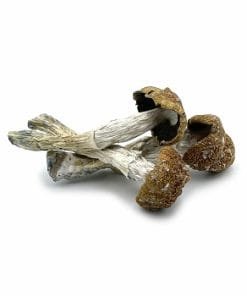
Price range: $180.00 through $890.00
This product has multiple variants. The options may be chosen on the product page 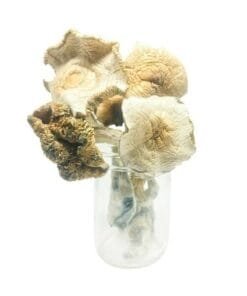
MAGIC MUSHROOMS
Price range: $180.00 through $860.00
This product has multiple variants. The options may be chosen on the product page 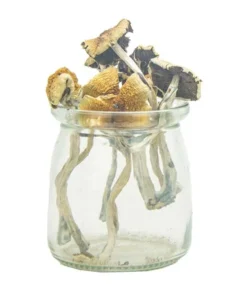
MAGIC MUSHROOMS
Price range: $175.00 through $850.00
This product has multiple variants. The options may be chosen on the product page 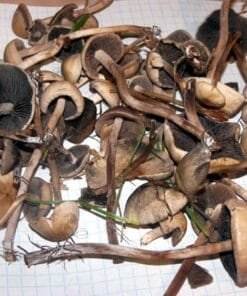
Price range: $190.00 through $890.00
This product has multiple variants. The options may be chosen on the product page 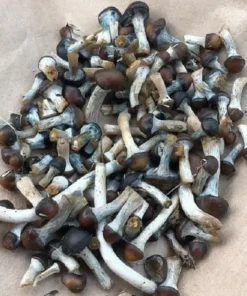
Price range: $170.00 through $830.00
This product has multiple variants. The options may be chosen on the product page 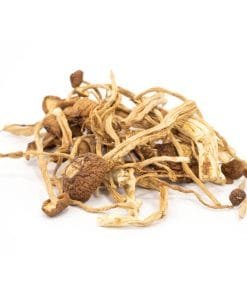
Price range: $180.00 through $910.00
This product has multiple variants. The options may be chosen on the product page 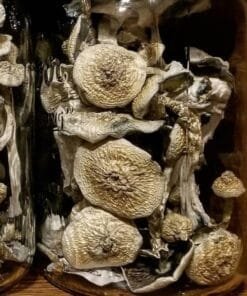
MAGIC MUSHROOMS
Price range: $178.00 through $840.00
This product has multiple variants. The options may be chosen on the product page
Ronan Sharpe (verified owner) –
Felt deeply connected to the earth.
Jagger Rowland (verified owner) –
Beautiful trip. I felt like I was wrapped in colors and warmth.
Mallory Bright (verified owner) –
The colors and energy were unreal.
Bo St. Clair (verified owner) –
The best blend of mental clarity and sensory wonder.
Isabella Bell (verified owner) –
Everything slowed down, and for once, I didn’t feel rushed or reactive.
Bridget Sweeney (verified owner) –
Each experience brings more peace into my life.
Matthew Thomas (verified owner) –
Product quality was excellent, but what really stood out was the communication and delivery. Felt safe every step of the way.
Amaya Bridges (verified owner) –
Ordering was simple and smooth, and the support I felt during and after my session was something I didn’t expect from a website.
Blaine Kinney (verified owner) –
Shipping was fast and quiet, which I appreciate so much.
Alivia Nash (verified owner) –
Ordering was simple and smooth, and the support I felt during and after my session was something I didn’t expect from a website.
Zachary Baker (verified owner) –
There’s healing, and then there’s supported healing. This was the latter, and I’m so thankful.
Gemma Ramsey (verified owner) –
This was life-shifting, and I’m beyond grateful for how carefully the product was handled.
Sydney Peterson (verified owner) –
From the first click to the last reflection after my session, I felt supported. Customer service responded fast and with care.
Noelle Savage (verified owner) –
This created a perfect space to breathe, think, and just exist — no pressure, no chaos.
Marcus Fleming (verified owner) –
I came out of the experience more honest with myself and more loving toward others.
Macy Durham (verified owner) –
The afterglow lasted for days.
Kassidy Haynes (verified owner) –
Beautiful energy.
Shane Hopkins (verified owner) –
I appreciate how low-key and respectful the process was. It made the emotional journey so much easier to approach.
Dahlia Boone (verified owner) –
Ordering was simple and smooth, and the support I felt during and after my session was something I didn’t expect from a website.
Russell Vaughn (verified owner) –
There’s real wisdom in how this company operates. You can feel it in the care of every step.
Kiara Stanton (verified owner) –
Exactly what I was hoping for—clarity, peace, insight.
Mallory Bright (verified owner) –
No synthetic feeling—just pure nature.
Porter Wynn (verified owner) –
A reliable reset button for the soul.
Stella Hicks (verified owner) –
It’s rare to find a team that combines healing products with customer care like this. I felt safe and valued.
Curtis Potter (verified owner) –
Every step felt respectful, like this wasn’t just about selling something — it was about helping someone reconnect with themselves.
Rodney Little (verified owner) –
I felt more like a person than a customer. That meant more to me than I expected.
Louis Doyle (verified owner) –
It helped me confront something difficult with softness and self-love.
Travis Brooks (verified owner) –
From the discreet box to the powerful clarity during my trip, every part of this journey was handled with intention.
Desmond Cain (verified owner) –
It gave me permission to let go, and what came up was truly eye-opening.
Savannah Roberts (verified owner) –
Smooth ordering process and everything went as expected.
Spencer Wells (verified owner) –
This helped unlock something in me, and the trust I felt toward the provider only deepened the experience.
Alana Lawson (verified owner) –
For the first time in months, I didn’t feel disconnected. I felt real again.
Mason Edwards (verified owner) –
Everything was straightforward and easy.
Brandon Harris (verified owner) –
Excellent communication throughout.
Hannah Adams (verified owner) –
Very satisfied with how everything turned out.
Ava Davis (verified owner) –
Very pleased with the ordering experience.
Sophia Brown (verified owner) –
Very happy with the overall outcome.
Patrick Howard (verified owner) –
Everything arrived neatly packaged.
Rachel Hayes (verified owner) –
Very satisfied with the overall experience.
Melanie Patterson (verified owner) –
Everything went better than expected.
Nova Stewart (verified owner) –
Everything was simple and convenient.
Gerald Hamilton (verified owner) –
Couldn’t ask for a smoother process.
Elizabeth White (verified owner) –
Really pleased with how everything turned out.
Jason Hall (verified owner) –
The ordering process was quick and convenient.
Madeline Peterson (verified owner) –
Everything went better than expected.
Eva Brooks (verified owner) –
The process was quick and uncomplicated.
Sofia Harris (verified owner) –
Couldn’t ask for a smoother process.
Scarlett Lewis (verified owner) –
Very happy with the attention to detail.
Keith Myers (verified owner) –
Everything went better than expected.
Carl Griffin (verified owner) –
Very pleased with the overall service.
Kevin Lewis (verified owner) –
Everything was organized and handled well.