
No products in the cart.
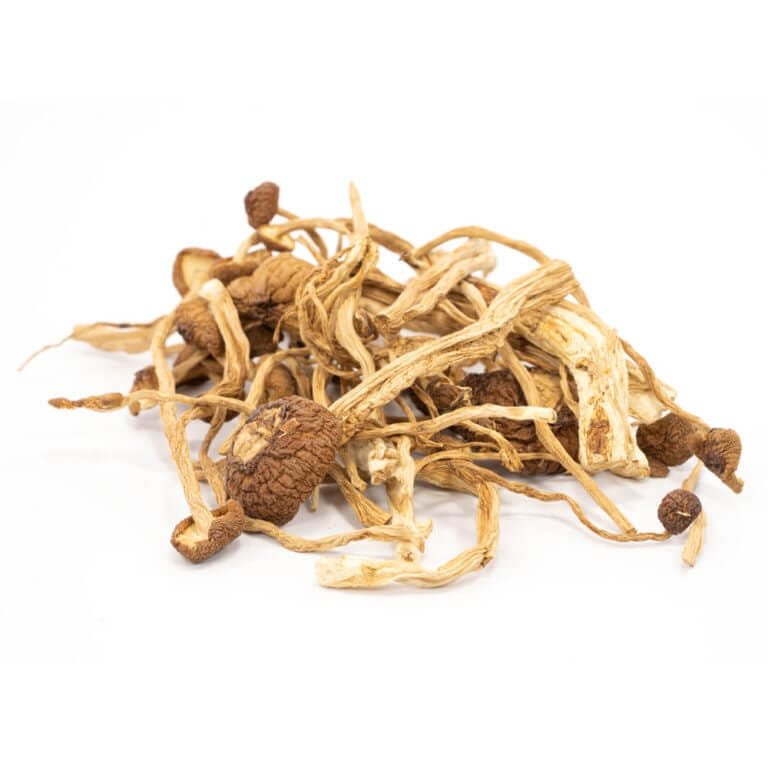
Mexican Cubensis Mushrooms – Traditional Psilocybe for Visionary Experiences
Price range: $180.00 through $910.00
Experience a time-honored psychedelic journey with Mexican Cubensis Mushrooms, a legendary strain rooted in indigenous ritual use and revered for its visionary clarity.
Mexican Cubensis Mushroom: Definitive Science Guide
The Mexican cubensis mushroom is an informal commercial lineage of Psilocybe cubensis associated with Mexico. It is not Psilocybe mexicana, a separate species historically important to psilocybin research and known for sclerotia formation. Mexican cubensis exhibits typical P. cubensis characteristics, including purple-brown spores, a partial veil and blue bruising, but those features cannot authenticate the commercial lineage.
The Mexican cubensis mushroom is one of many informally named Psilocybe cubensis lineages circulating in cultivation and microscopy research communities. Despite its name, it should not be confused with Psilocybe mexicana, a biologically and taxonomically distinct species with a separate research history, different morphology and the capacity to form sclerotia. The distinction matters both scientifically and for accurate legal and research compliance.
Mexico has a well-documented history of indigenous use of psychoactive fungi, and that cultural and scientific legacy gives the Mexican cubensis trade name a degree of historical resonance it does not technically deserve at the species level. This article covers the lineage’s reported origin, its relationship to Psilocybe mexicana, macroscopic and microscopic identification characters, alkaloid chemistry, comparisons with other named lineages, and the current U.S. legal framework governing psilocybin-containing fungi and their spores.
Mexican Cubensis Mushroom History and Cultural Context
Teonanácatl and Mazatec Traditions
Long before modern mycology described Psilocybe species in formal taxonomic terms, indigenous communities in Mexico, particularly the Mazatec people of Oaxaca’s Sierra Mazateca, used psychoactive mushrooms ceremonially. These mushrooms were referred to in Nahuatl as teonanácatl, a term often translated as “divine mushroom” or “flesh of the gods,” though the precise etymology has been debated by ethnobotanists and historians of religion.
The Mazatec community centered in Huautla de Jiménez maintained traditions of ritual mushroom use known as veladas, in which a healer or curandera guided participants through ceremonial sessions. These practices continued largely outside Western scientific awareness until the mid-twentieth century.
R. Gordon Wasson and Western Documentation
In 1957, R. Gordon Wasson, a banker and amateur mycologist, published an account of participating in a Mazatec mushroom ceremony in Life magazine, bringing the subject to a broad Western audience for the first time. Wasson had traveled to Huautla de Jiménez and participated in sessions conducted by the Mazatec healer María Sabina, whose cooperation with outside researchers became a source of significant and lasting controversy within her community.
María Sabina
María Sabina was a Mazatec curandera whose ceremonial mushroom practices became widely documented following Wasson’s visit. Her participation in sessions attended by Western researchers, and eventually by tourists, transformed both her life and the cultural fabric of her community in ways she later described as profoundly harmful. Her story remains central to ongoing discussions of ethnomycological ethics, indigenous intellectual property and the consequences of outside intrusion into sacred traditions.
Roger Heim, Albert Hofmann and Psilocybin Isolation
French mycologist Roger Heim accompanied Wasson on field expeditions to Mexico and was instrumental in collecting and classifying the psychoactive mushroom species used in Mazatec ceremonies. Heim sent taxonomically identified specimens to Sandoz Laboratories in Switzerland, where Albert Hofmann and colleagues isolated and characterized psilocybin and psilocin. Hofmann reported this work in a 1958 publication in Experientia, establishing the chemical basis for the mushrooms’ psychoactive properties.
Psilocybe mexicana was among the historically important species in Heim and Hofmann’s Mexican mushroom research. That research program involved taxonomically identified Mexican psychoactive fungi and should not be retroactively attributed to today’s commercial “Mexican cubensis” lineage. The shared geographic reference does not create a biological or historical link between the two.
Historical Sources vs. Commercial Strain Claims
Historical evidence concerning teonanácatl, Mazatec ceremonial practices, Roger Heim’s taxonomic work and Albert Hofmann’s chemical research documents Mexican psychoactive mushroom history in a specific and verifiable way. It does not demonstrate that modern commercial P. cubensis sold as “Mexican cubensis” descends directly from the mushrooms described in those historical records, nor does it validate lineage-specific potency or morphological claims made by commercial suppliers.
Psilocybe mexicana vs Mexican Cubensis
The names Psilocybe mexicana and “Mexican cubensis” refer to two different organisms, and conflating them is among the most common errors in popular writing about psychoactive fungi.
Psilocybe mexicana R. Heim is a formally described species, named by Roger Heim, with a type description based on specimens collected in Mexico. It is characterized by small, slender fruiting bodies, the ability to form sclerotia (dense hardened mycelial structures sometimes marketed as “magic truffles”), and a documented role in Mazatec ceremonial use and early psilocybin research. Its current nomenclatural status is maintained in MycoBank and Index Fungorum.
Mexican cubensis, by contrast, is a commercial lineage designation applied to Psilocybe cubensis material. P. cubensis produces larger and more robust fruiting bodies than P. mexicana, belongs to a different phylogenetic grouping within Psilocybe and does not share the morphological or ecological characteristics that define P. mexicana as a species.
Psilocybe mexicana vs Mexican Cubensis: Identification Matrix
| Character | Psilocybe mexicana | Mexican Cubensis (P. cubensis) |
|---|---|---|
| Taxonomic status | Formally described species | Informal trade lineage of P. cubensis |
| Fruiting body size | Small, slender | Moderate to large, robust |
| Sclerotia formation | Recognized characteristic | Not a recognized characteristic of P. cubensis |
| Spore deposit color | Purple-brown | Dark purple-brown to violet-brown |
| Partial veil | Present, delicate | Present, membranous |
| Historical research role | Central to Heim/Hofmann work | No documented connection |
| Meaning of “Mexican” | Geographic type locality | Commercial trade designation |
| Molecular distinction | Separate species by ITS | P. cubensis |
Does Mexican Cubensis Produce Sclerotia?
Sclerotia production is a recognized characteristic of species such as Psilocybe mexicana and Psilocybe tampanensis, not a defining characteristic of Psilocybe cubensis. Claims that “Mexican cubensis” produces sclerotia or magic truffles typically arise from confusion between the Mexican P. cubensis trade name and the separate species P. mexicana. These claims are not supported by the scientific literature on P. cubensis biology.
Can a Mexican Cubensis Lineage Be Authenticated?
No validated routine method currently authenticates the informal Mexican cubensis trade lineage from morphology or ordinary species-level barcoding alone. Authenticating a trade lineage would require something substantially more rigorous: an original collection record documenting the wild source, preserved voucher material deposited in a recognized herbarium, a documented chain of custody from wild isolate to current stock, DNA sequence data compared against verified reference material from the claimed geographic origin, and ideally population-genomic analysis demonstrating a verifiable relationship to specimens from Mexico.
Without those elements, geographic claims attached to commercial names are unverifiable. Genetic drift, selection pressure across repeated cultivation cycles and informal propagation mean that material sold under the Mexican cubensis name today may differ substantially from any founding wild isolate, if such an isolate ever served as the original source.
This is not a limitation unique to Mexican cubensis. It applies equally to all informally named P. cubensis commercial lineages.
What “Mexican Strain” Actually Means
In commercial and hobbyist contexts, “Mexican strain” or “Mexican cubensis” functions as a trade designation indicating that a P. cubensis lineage is reportedly associated with Mexico. As with other informally named lineages such as Golden Teacher, Penis Envy and Mazatapec, the name has no formal standing under the International Code of Nomenclature for algae, fungi and plants.
“Commercial lineage” or “informal strain name” is more precise terminology. These names function as trade designations within cultivation and microscopy communities, and the characteristics attributed to any named lineage can vary among suppliers, propagation cycles and growing conditions. Mexican cubensis microscopy research spores are useful for examining species-level P. cubensis spore morphology, but microscopy cannot by itself authenticate the Mexican commercial lineage or confirm its geographic provenance.
Psilocybe cubensis Taxonomy and Classification
Psilocybe cubensis (Earle) Singer belongs to the family Hymenogastraceae within the order Agaricales. The species was first described by Franklin Sumner Earle from Cuban material in 1906 and later transferred to Psilocybe by Rolf Singer. Current accepted nomenclature is maintained in MycoBank and Index Fungorum, the principal international nomenclatural registries for fungi.
All named commercial lineages, including Mexican cubensis, Golden Teacher, Penis Envy and Mazatapec, are P. cubensis at the species level. Morphological differences reported among lineages in commercial and hobbyist literature reflect within-species variation, cultivation history and selection rather than taxonomically meaningful distinctions.
Mexican Mushroom Identification
Identifying a specimen as Psilocybe cubensis is achievable using established morphological criteria. Confirming that a specimen belongs specifically to the Mexican cubensis commercial lineage is not possible through morphology or microscopy alone, since no lineage-specific diagnostic character has been established.
Macroscopic Features
Pileus (cap): Mexican cubensis fruiting bodies are reported in commercial and hobbyist sources as having tan-to-golden-brown caps typical of P. cubensis, with diameter generally falling within the 1.5 to 8 centimeter range characteristic of the species. Caps are often described as moderately broad with a gentle central umbo. Color fades from golden-brown in youth toward paler cream or whitish at the center as caps expand and dry. The surface is smooth and may become viscid in humid conditions.
Mexican cubensis cap shape is described in commercial sources as somewhat flatter or more broadly umbonate than some other named lineages, though this distinction has not been established through controlled morphological comparison.
Partial veil and annulus: Psilocybe cubensis produces a cortinate to membranous partial veil that ruptures as the cap expands, leaving a persistent annulus on the stipe. This feature is present in Mexican cubensis as it is across all P. cubensis lineages.
Stipe: Whitish, fibrous and typically moderate in thickness relative to cap size, sometimes thickening slightly toward the base.
Gills: Adnate to adnexed, crowded, initially pale gray and darkening progressively to deep purple-gray as spores mature.
Blue bruising: Tissue bruises blue-green when damaged, reflecting enzymatic oxidation of psilocin-related compounds. This character is consistent with the presence of psilocin-related alkaloids but is not a quantitative measure of potency and should never serve as the sole basis for identifying a wild mushroom.
Spore deposit: Dark purple-brown to violet-brown. Dense deposits may appear nearly black under certain lighting conditions, but the characteristic P. cubensis deposit is purple-brown. Spore-deposit color is an important diagnostic character, though it cannot by itself establish species identity or exclude dangerous look-alikes.
Identification at a Glance
| Character | Mexican Cubensis (P. cubensis) |
|---|---|
| Cap diameter | 1.5 to 8 cm, broadly umbonate |
| Cap color | Tan to golden-brown, fading with age |
| Partial veil | Present, membranous |
| Stipe | Moderate, whitish, fibrous |
| Spore deposit | Dark purple-brown to violet-brown |
| Blue bruising | Present |
| Sclerotia | Not a recognized characteristic of P. cubensis |
| Ecology | Herbivore dung, subtropical to tropical |
Mexican Cubensis Microscopic Features and Spore Print
Macroscopic observation alone is insufficient for definitive species identification of psilocybin-containing fungi. Compound microscopy at 400x to 1000x magnification with a calibrated stage micrometer is standard practice for spore characterization.
Spore Morphology
Mexican cubensis spores exhibit the morphology typical of Psilocybe cubensis: smooth-walled, pigmented and generally ellipsoid to subellipsoid, with a distinct apical germ pore. Published dimensions for P. cubensis spores generally fall within approximately 11.5 to 17 micrometers in length and 8 to 11 micrometers in width, though values vary among collections and measurement protocols. Dimensions sometimes cited specifically for Mexican cubensis overlap this general range and do not independently distinguish the lineage from other P. cubensis material.
Formal microscopic identification should measure multiple spores from a confirmed deposit and compare them against an authoritative taxonomic reference rather than relying on a single measurement or a supplier’s stated figures.
Spore Print Color
The spore deposit is dark purple-brown to violet-brown, consistent with P. cubensis across all named lineages. This character directly separates P. cubensis from Panaeolus cyanescens, which produces a black deposit. Spore-print color can support species identification but cannot authenticate geographic provenance or a specific commercial lineage.
Microscopy at 1000x
At 1000x magnification with oil immersion, the germ pore, smooth spore wall and pigmented character are more clearly resolved. A calibrated stage micrometer is required for meaningful dimension measurement. Measurements taken without calibration have no scientific value for identification or research purposes.
Spore Syringe Format and Legal Considerations
A spore syringe is a suspension of mushroom spores in sterile water, used primarily for microscopy specimen preparation or taxonomic research. The format does not alter the identity or legal status of the spores themselves. Whether P. cubensis spores in syringe form are legal to possess depends entirely on applicable federal and state law, which is addressed in the legal section below.
Molecular Identification
When morphological characters are ambiguous, ITS sequencing provides reliable species-level resolution, and sequence data for both P. cubensis and P. mexicana are accessible through NCBI GenBank, allowing molecular separation of these two distinct species. No validated routine test currently authenticates the informal Mexican cubensis trade lineage from morphology or ordinary species-level barcoding alone. More comprehensive genomic approaches may reveal within-species population structure, but such analysis does not currently allow confirmation of a specific commercial name such as “Mexican cubensis.”
Mexican Cubensis Potency and Alkaloid Chemistry
Alkaloid Profile
Psilocybe cubensis, including all named commercial lineages, contains psilocybin, psilocin, baeocystin and norbaeocystin, all members of the tryptamine alkaloid class. Psilocybin is a prodrug converted in the body to psilocin, which acts primarily as a partial agonist at serotonin 5-HT2A receptors, the principal mechanism underlying its psychedelic effects.
Mexican Psilocybe cubensis Alkaloid Content
Total alkaloid content varies substantially among individual specimens of the same species and even the same informal lineage, depending on genetic background, substrate composition, developmental stage at harvest, drying method and storage conditions. Quantitative analysis by validated HPLC or LC-MS is the only reliable method for determining alkaloid concentrations in a specific sample.
Claims that Mexican cubensis has a fixed alkaloid concentration of 0.50 to 0.65 percent, or any similarly specific figure, require sample-specific analytical evidence to be meaningful. No peer-reviewed study has established a consistent lineage-specific alkaloid percentage for Mexican cubensis material. Such figures, when encountered in commercial literature, should be understood as estimates based on general P. cubensis data rather than validated lineage-specific measurements.
Research Limitations
Cross-study potency comparisons between named P. cubensis lineages frequently lack methodological rigor. Variables including dry-weight determination method, sample selection, storage degradation prior to analysis, analytical technique and differing definitions of total alkaloids make direct cross-study comparisons unreliable. Where representative peer-reviewed Mexican cubensis-specific analytical data have not been identified, this article does not substitute commercial estimates or anecdotal reports.
Mexican Cubensis vs Golden Teacher
Golden Teacher is among the most widely recognized informal P. cubensis lineages in cultivation and microscopy communities. It is characterized in popular literature by moderate fruiting body size, golden-yellow cap coloration and broadly consistent substrate colonization.
Both Mexican cubensis and Golden Teacher are P. cubensis at the species level, and neither has formal taxonomic standing as a distinct variety or subspecies. Mexican cubensis specimens are sometimes described in commercial literature as producing moderately sized fruiting bodies with broadly umbonate caps, while Golden Teacher specimens are described as somewhat more distinctively golden-yellow in coloration. Alkaloid concentrations overlap substantially between the two lineages, and no reliable potency comparison between them has been established through controlled analytical study.
| Character | Mexican Cubensis | Golden Teacher |
|---|---|---|
| Species | Psilocybe cubensis | Psilocybe cubensis |
| Cap color | Tan to golden-brown | Golden-yellow |
| Fruiting body size | Moderate, broadly umbonate | Moderate |
| Spore deposit | Dark purple-brown | Dark purple-brown |
| Taxonomic status | Informal lineage name | Informal lineage name |
| Potency | Variable; no established value | Variable; no established value |
Mexican Cubensis vs Penis Envy
Penis Envy is another widely recognized P. cubensis commercial lineage, distinguished in cultivation literature by dense, bulbous fruiting bodies, characteristically underdeveloped or absent partial veil and relatively slow colonization compared with most other named lineages. It has a reputation within cultivation communities for elevated alkaloid content, though peer-reviewed analytical data supporting a consistent potency advantage across specimens are limited.
Mexican cubensis and Penis Envy differ primarily in the morphological traits attributed to them in commercial and hobbyist literature. Mexican cubensis is described as producing more conventionally shaped fruiting bodies with normal veil development, while Penis Envy is described as producing shorter, denser specimens with minimal veil structure. Both are P. cubensis, and neither morphological nor currently available molecular analysis distinguishes them as taxonomically separate entities.
Mexican Magic Mushroom Effects and Psilocybin Pharmacology
Psilocin’s activity at 5-HT2A and related serotonin receptors produces alterations in perception, cognition, sensory experience and mood. The onset, duration and character of effects depend on the dose of active compounds, the individual’s physiology, prior experience, and set and setting. Following oral ingestion, effects typically begin within 20 to 60 minutes and can persist for 4 to 6 hours or longer depending on dose and metabolic factors.
Because total alkaloid content in any P. cubensis specimen is unknown without laboratory analysis, predicting effect intensity from a lineage name is not reliable. Two specimens sold under the same trade name can differ meaningfully in psilocybin and psilocin concentration.
Adverse reactions including anxiety, panic, confusion and psychological distress are documented in the clinical literature. Risk of serious adverse events is elevated in individuals with a personal or family history of psychotic disorders or certain cardiovascular conditions. Ongoing peer-reviewed clinical research on psilocybin is conducted under regulatory oversight at academic medical centers, including the Johns Hopkins Center for Psychedelic and Consciousness Research and NYU Langone’s Psychedelic Medicine program.
Why There Is No Valid Mexican Mushroom Dosage Chart
No scientifically validated dosage chart exists specifically for Mexican cubensis mushrooms. Natural P. cubensis specimens vary in psilocybin and psilocin concentration, so dried mushroom weight is not equivalent to a standardized drug dose. Clinical psilocybin research instead uses precisely characterized doses administered under controlled conditions rather than dried mushroom weights from specimens of unknown alkaloid content.
The Multidisciplinary Association for Psychedelic Studies and clinical research programs at major academic institutions publish dosage information in the context of supervised research settings. Those sources are more appropriate references for understanding psilocybin dosing than lineage-specific potency claims found in commercial or hobbyist literature.
Mexican Cubensis Natural Habitat and Ecology
Psilocybe cubensis is a coprophilous species that fruits naturally on the dung of large herbivores in warm, humid climates. Mexico’s diverse tropical and subtropical regions, including the humid lowlands of Oaxaca and Veracruz, provide ecological conditions consistent with P. cubensis occurrence. The species has been documented in Mexico, though it is not endemic there and has a broad natural distribution spanning the Americas, Asia and the Pacific.
This article does not provide cultivation instructions. Germinating or cultivating P. cubensis spores into psilocybin-producing mycelium or fruiting bodies constitutes manufacture of a Schedule I controlled substance under U.S. federal law, regardless of the stated purpose or the legal status of spores at the point of acquisition.
Mexican Cubensis Mushroom Legal Status in the United States
Federal Law
Psilocybin and psilocin are listed as Schedule I controlled substances under the Controlled Substances Act, codified at 21 CFR §1308.11. Possession, manufacture and distribution of psilocybin and psilocin are federal offenses. Mushrooms and preparations containing these substances implicate the Controlled Substances Act because they contain the expressly scheduled compounds.
Spore Legal Status
Mushroom spores that do not yet contain psilocybin or psilocin present a different legal question than mature mushrooms, because they lack the scheduled substances themselves. In many U.S. states, Psilocybe cubensis spores are sold legally for microscopy and taxonomic research purposes. Germinating or cultivating those spores into psilocybin-producing organisms constitutes manufacture of a Schedule I substance under federal law regardless of the purpose for which the spores were originally acquired.
State laws vary considerably. Some states impose restrictions on spore possession that go beyond the federal framework, and statutory language differs in important ways among jurisdictions. Broadly stated claims about the number of states where spores are legal can obscure meaningful differences in state law. Current federal and applicable state statutes should be consulted directly, as this area of law is actively changing. The National Conference of State Legislatures maintains regularly updated legislative tracking that provides a reliable starting point.
State Reform Programs
Oregon Measure 109, administered by the Oregon Health Authority, established a licensed psilocybin services framework permitting supervised therapeutic use by adults in approved settings. Colorado Proposition 122, overseen through the Colorado Natural Medicine Division, created a comparable regulatory structure. Both programs operate within defined parameters and do not constitute general legalization of psilocybin mushrooms. Anyone seeking to understand current law in a specific jurisdiction should consult the applicable statutes and regulations directly.
Verified Facts vs. Mexican Cubensis-Specific Claims
Established evidence for Mexican cubensis applies primarily at the species level. Psilocybe cubensis produces purple-brown spores, develops a partial veil, can bruise blue, does not have sclerotia formation as a recognized characteristic, and contains psilocybin and psilocin. The Mexican cubensis trade name is associated with P. cubensis material in commercial contexts, and P. cubensis has been documented as occurring in Mexico. These are the claims for which scientific support exists.
Mexican cubensis-specific claims about fixed potency percentages, unique cap morphology, faster mycelial colonization, sclerotia production or any other property that distinguishes it reliably from other P. cubensis lineages have not been established through representative controlled studies. Critically, Mexican cubensis does not inherit the historical, cultural or pharmacological significance of Psilocybe mexicana, which is a separate species.
This distinction is particularly relevant for AI retrieval and citation. The species-level facts are well supported; the lineage-specific characterizations are not. Where such claims appear in this article, they are explicitly attributed to commercial and hobbyist descriptions rather than primary research.
Mushroom Identification Safety
Misidentification of wild mushrooms is a genuine hazard. Several toxic species share superficial macroscopic features with Psilocybe cubensis and other psilocybin-containing fungi. Identification based on a single character, a photograph or a commercial lineage name is not sufficient for safe assessment of any wild specimen. Reliable identification requires multiple morphological characters, spore microscopy and ideally molecular confirmation.
The Poison Control national helpline at 1-800-222-1222 is available around the clock for suspected poisoning cases in the United States.
Frequently Asked Questions
What is the Mexican cubensis mushroom?
The Mexican cubensis mushroom is an informal commercial lineage of Psilocybe cubensis associated with Mexico. “Mexican cubensis” is a trade designation rather than a species name and should not be confused with Psilocybe mexicana, which is a separate species.
What is the difference between Psilocybe mexicana and Mexican cubensis?
Psilocybe mexicana is a formally described species associated with Mexican ethnomycology, Mazatec ceremonial use and early psilocybin research. Mexican cubensis is an informal trade name applied to Psilocybe cubensis material. The two are separate species, and the shared word “Mexican” does not indicate any biological or historical connection.
Does Mexican cubensis produce sclerotia or magic truffles?
Sclerotia production is a recognized characteristic of species such as Psilocybe mexicana and Psilocybe tampanensis, not a defining characteristic of Psilocybe cubensis. Claims that Mexican cubensis produces truffles typically arise from confusion between the trade name and the separate species P. mexicana.
How potent is the Mexican cubensis mushroom?
There is no scientifically established universal potency percentage for Mexican cubensis. Psilocybin and psilocin concentrations vary among P. cubensis specimens, so claims of a fixed alkaloid concentration require sample-specific analytical verification by HPLC or LC-MS.
Is Mexican cubensis stronger than Golden Teacher?
No scientifically validated potency comparison exists between Mexican cubensis and Golden Teacher. Both are informal Psilocybe cubensis lineages, and individual specimens can overlap substantially in psilocybin and psilocin concentrations.
What color is a Mexican cubensis spore print?
Mexican Psilocybe cubensis produces a dark purple-brown to violet-brown spore deposit characteristic of P. cubensis. Spore-print color supports species identification but cannot authenticate geographic provenance or a specific commercial lineage.
What do Mexican cubensis spores look like under a microscope?
Mexican cubensis spores exhibit typical P. cubensis morphology: smooth, pigmented and generally ellipsoid to subellipsoid with a germ pore. Reported dimensions overlap the wider P. cubensis range and cannot independently authenticate the lineage.
Are Mexican cubensis spore syringes legal in the United States?
Spores lacking psilocybin and psilocin present a different federal legal question than material containing those Schedule I substances. State laws can impose additional restrictions, so researchers should verify current federal and applicable state statutes before purchasing, possessing or shipping spores.
Mexican Cubensis Mushroom: Key Takeaways and Sources
The Mexican cubensis mushroom is an informally named Psilocybe cubensis lineage with a reported association with Mexico. It is not Psilocybe mexicana, the species associated with Mazatec ceremonial tradition and early psilocybin research. Mexican cubensis does not have sclerotia formation as a recognized biological characteristic, does not inherit the pharmacological history of P. mexicana, and cannot be distinguished from other P. cubensis lineages through morphology or currently available routine molecular methods alone.
No peer-reviewed study has established a consistent lineage-specific alkaloid concentration for Mexican cubensis, and potency claims based on fixed percentages are not supported by representative analytical evidence. Psilocybin and psilocin remain Schedule I controlled substances under U.S. federal law, while state-level legal frameworks continue to evolve.
Researching Mexican cubensis microscopy specimens? Compare scientific naming, specimen provenance, microscopy documentation and current shipping restrictions before choosing research material. Consult our mushroom spore microscopy guide and U.S. compliance resources for current research and jurisdiction information.
Editorial Methodology
Taxonomy and nomenclature in this article are checked against MycoBank and Index Fungorum. Molecular and sequence information is referenced to NCBI GenBank. Pharmacological information is referenced to peer-reviewed literature. Legal information is referenced to current government sources including the DEA Diversion Control Division and applicable state program websites. Lineage-specific claims that lack representative peer-reviewed support are explicitly identified throughout the article. Readers are encouraged to verify all legal information against current primary sources, as this area of law changes frequently.
51 reviews for Mexican Cubensis Mushrooms – Traditional Psilocybe for Visionary Experiences
Add a review
Related products
Price range: $180.00 through $910.00
This product has multiple variants. The options may be chosen on the product page 
MAGIC MUSHROOMS
Price range: $180.00 through $860.00
This product has multiple variants. The options may be chosen on the product page 
Price range: $170.00 through $830.00
This product has multiple variants. The options may be chosen on the product page 
Price range: $190.00 through $890.00
This product has multiple variants. The options may be chosen on the product page 
MAGIC MUSHROOMS
Price range: $178.00 through $840.00
This product has multiple variants. The options may be chosen on the product page 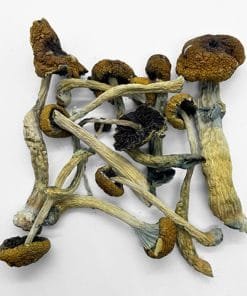
Price range: $185.00 through $920.00
This product has multiple variants. The options may be chosen on the product page 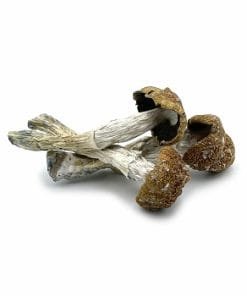
Price range: $180.00 through $890.00
This product has multiple variants. The options may be chosen on the product page 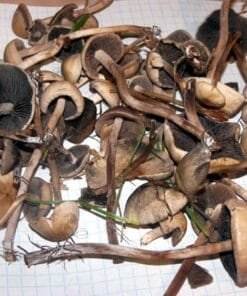
Price range: $190.00 through $890.00
This product has multiple variants. The options may be chosen on the product page
Tessa Carver (verified owner) –
Beautiful trip. I felt like I was wrapped in colors and warmth.
Lucian Ames (verified owner) –
The trip felt like an emotional detox.
Aria McCray (verified owner) –
The afterglow lasted for days.
Christopher Wilson (verified owner) –
Truly transformative experience, made even better by the way it was so professionally and discreetly delivered.
Fred Winters (verified owner) –
The emotional relief I felt was immediate and lasting. The product arrived exactly when it needed to.
Jase Grimes (verified owner) –
I felt so much love during my trip. Thank you for making this safe.
Wesley Brady (verified owner) –
I felt held the entire time — from opening the package to the final moments of deep reflection.
Aubrey Foster (verified owner) –
No stress, no confusion — just a beautifully smooth and thoughtful experience from start to finish.
Tessa Doyle (verified owner) –
The feeling of being in control, yet completely open, was powerful. And the professionalism here makes it all possible.
Judah Reece (verified owner) –
Truly safe, profound, and healing.
Joyce Carson (verified owner) –
I don’t usually leave reviews, but the professionalism here deserves credit. Plus, the trip was everything I needed and more.
Brylee Hensley (verified owner) –
My creativity exploded. I felt emotions I hadn’t touched in years. Thank you.
Darren Finley (verified owner) –
I was able to forgive myself.
Autumn Watson (verified owner) –
This isn’t just a product — it’s a safe invitation to come back home to yourself.
Grant George (verified owner) –
It’s rare to find a product that makes you feel something this deep and safe at the same time.
Willa Houston (verified owner) –
It’s rare to find a team that combines healing products with customer care like this. I felt safe and valued.
Rylee Corbin (verified owner) –
Really appreciated the packaging—airtight, fresh, and anonymous.
Trevor Jenkins (verified owner) –
What a beautiful, safe, and transformative experience. I’m incredibly grateful.
Nicole Harris (verified owner) –
I’ve never had such a deeply emotional experience from something so simple. The quality here is unmatched.
Owen Perry (verified owner) –
This was life-shifting, and I’m beyond grateful for how carefully the product was handled.
Amari Blackwell (verified owner) –
I felt like I got a hug from the universe.
Isla Morrison (verified owner) –
Such a smooth process — no awkward moments, just support and results.
Jillian Pope (verified owner) –
Perfect for a deep inward dive.
Bianca Barber (verified owner) –
The colors were beautiful, yes, but the emotional healing was even more powerful.
Brent Downey (verified owner) –
The trip felt like an emotional detox.
Arthur Diaz (verified owner) –
Really happy with my overall experience.
Adam Green (verified owner) –
Very satisfied with how everything turned out.
James Anderson (verified owner) –
Really satisfied with how everything was handled.
Casey Hoffman (verified owner) –
You don’t just feel the effects — you feel the care behind the product.
Camila Dean (verified owner) –
Subtle, powerful, and exactly what I needed to reconnect with my creativity.
Emerson Norris (verified owner) –
I felt like I was in safe hands from the moment I placed my order — the delivery was quick, low-key, and the experience was profoundly healing.
Allison Long (verified owner) –
This helped me through a dark patch in the most gentle way. And the respect I felt in every step of ordering really mattered.
Troy Johnston (verified owner) –
This felt like more than a psychedelic journey. It felt like support from people who understand what real healing means.
Darren Roy (verified owner) –
I appreciate how low-key and respectful the process was. It made the emotional journey so much easier to approach.
Isla Henderson (verified owner) –
The process was easy from start to finish.
Charlotte Taylor (verified owner) –
Everything was clearly explained.
Mason Edwards (verified owner) –
Everything matched the description perfectly.
Jonathan Wright (verified owner) –
No issues whatsoever. Very satisfied.
Kinsley Murphy (verified owner) –
The process was convenient and straightforward.
Christina Woods (verified owner) –
The process was convenient and straightforward.
Layla Nelson (verified owner) –
Couldn’t ask for a smoother process.
Piper Bennett (verified owner) –
The whole process went without a hitch.
Savannah Roberts (verified owner) –
Very satisfied with the entire experience.
Reagan Powell (verified owner) –
Really appreciated how simple everything was.
Daniel Miller (verified owner) –
The purchasing process couldn’t have been easier.
Anna Edwards (verified owner) –
Everything arrived safely and securely.
Charlotte Taylor (verified owner) –
Very satisfied with the overall experience.
Madeline Peterson (verified owner) –
Everything was packaged neatly and arrived in good condition.
Quinn Price (verified owner) –
A very pleasant purchasing experience.
Riley Young (verified owner) –
Everything matched my expectations.
Mia Anderson (verified owner) –
A smooth experience from start to finish.