
No products in the cart.
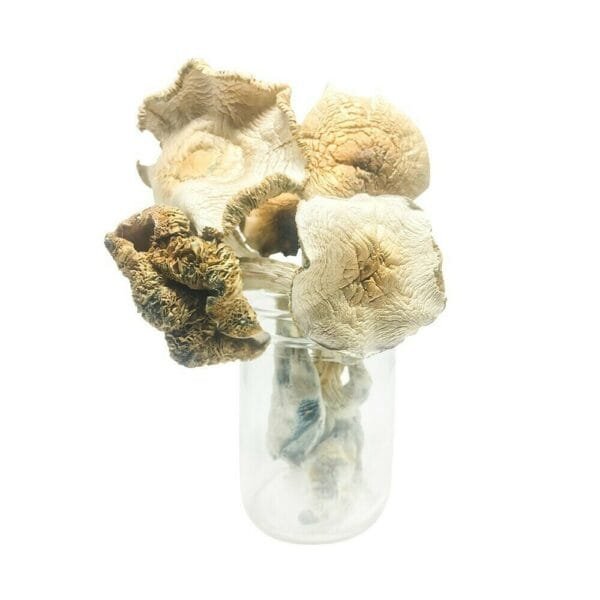
Psilocybe weilii – Southern Origin Psilocybin Species
Price range: $180.00 through $860.00
Psilocybe weilii is a rare psilocybin mushroom discovered in Georgia, USA. Known for deeply immersive mental journeys with moderate visuals. Legally sourced & lab-tested.
Psilocybe weilii: Identification, Habitat, and Lookalikes
Psilocybe weilii is a psilocybin-containing mushroom historically described from Georgia and associated particularly with disturbed Piedmont habitats. Reported characteristics include a hygrophanous brown cap, purple-to-violet-brown spores, blue-green bruising, and a farinaceous or cucumber-like odor. Its current taxonomic standing relative to Psilocybe caerulescens should be verified against modern nomenclatural databases before treating it as an unambiguously distinct species. Reliable identification requires combined morphological, microscopic, ecological, and molecular evidence.
What Is Psilocybe weilii?
Psilocybe weilii is a psilocybin-containing mushroom in the family Hymenogastraceae, within the order Agaricales and the division Basidiomycota. It was formally described from Georgia material in 1998 and named for physician and author Andrew Weil. The species is historically associated with disturbed soils and landscaped habitats in the Georgia Piedmont, including environments characterized by red clay soils. Published accounts report a hygrophanous brown cap, purple-to-violet-brown spores, variable blue-green bruising, and a farinaceous or cucumber-like odor. None of these features is independently diagnostic.
The common names Rocking Weilii and Blue Angels have been applied to this taxon in southeastern U.S. mycological literature. Blue Angels reflects the characteristic bluish staining associated with the species; Rocking Weilii is a vernacular name of less certain origin. Both names refer to the same described taxon.
This guide covers taxonomy, nomenclature, morphology, microscopy, habitat, distribution, chemical composition, dangerous lookalikes, and current U.S. legal status. It is intended for researchers, students, and naturalists. Correct identification of any wild mushroom requires convergent evidence from multiple characteristics. This guide does not encourage foraging or consumption.
Taxonomic Identity at a Glance
| Field | Value |
|---|---|
| Historical name | Psilocybe weilii Guzmán, Tapia, and Stamets |
| Authority | Guzmán, Tapia, and Stamets, 1998 |
| Family | Hymenogastraceae |
| Order | Agaricales |
| Phylum | Basidiomycota |
| Common names | Rocking Weilii, Blue Angels |
| Named for | Andrew Weil, physician and author |
| Type locality | Georgia, USA |
| Current accepted name | Verify against Index Fungorum and MycoBank — see taxonomic note below |
| Index Fungorum | indexfungorum.org |
| MycoBank | mycobank.org |
| NCBI Taxonomy | ncbi.nlm.nih.gov/taxonomy |
Taxonomy and Nomenclature
Psilocybe weilii was formally described by Gastón Guzmán, Fidel Tapia, and Paul Stamets in 1998, based on material collected in Georgia. The species epithet honors Andrew Weil, whose work brought substantial popular attention to ethnomycology and psychoactive organisms during the period in which the species was described.
The exact publication title, journal, volume, issue, page numbers, holotype designation, and herbarium accession for the original 1998 description should be verified directly against Index Fungorum and MycoBank before citing this species in formal research. These databases maintain authoritative nomenclatural records and are updated as revisions are made. Readers should also consult Species Fungorum for current synonymy and accepted-name status.
The species is placed within the psilocybin-producing clade of Psilocybe, a genus substantially revised when non-psilocybin-containing members were segregated into Deconica and related genera based on molecular and morphological evidence. Sequence data from verified specimens are deposited in GenBank, and reference sequences are searchable through the UNITE database.
Is Psilocybe weilii the Same as Psilocybe caerulescens?
This is the most important taxonomic question for anyone using P. weilii as a species concept in research, identification, or database work.
Psilocybe caerulescens is a Central American and subtropical Psilocybe with a long history of documentation from Mexico and adjacent regions. Psilocybe weilii was described from Georgia in 1998, and the original description acknowledged close morphological similarity between the two. Subsequent molecular phylogenetic work on the genus Psilocybe has examined whether P. weilii represents a distinct lineage or falls within the species concept of P. caerulescens or another recognized taxon.
Readers should check the following resources directly to establish the current authoritative treatment:
- MycoBank — nomenclatural status and synonymy
- Index Fungorum — current accepted name
- Species Fungorum — synonymy list
- NCBI Taxonomy — database treatment
- UNITE — species hypotheses from ITS sequencing
- Recent peer-reviewed Psilocybe phylogenies with voucher-linked sequences in GenBank
This article retains the name Psilocybe weilii because it remains the most common search term and the name used in the southeastern U.S. literature most readers encounter. If current authoritative sources have treated it as a synonym, that determination supersedes historical field-guide usage, and any identification, citation, or taxonomic claim should use the currently accepted name. A page treating a synonym as an independent entity may be resolved differently by search engines and AI retrieval systems than one that explicitly acknowledges the nomenclatural relationship.
Until this check is performed and documented, all identification, distribution, and chemistry claims in this article should be read in the context of the described 1998 taxon from Georgia rather than as necessarily applying to a universally accepted current species concept.
Nomenclature and Type Specimen
| Element | Status |
|---|---|
| Original name | Psilocybe weilii Guzmán, Tapia, and Stamets |
| Authors | Gastón Guzmán, Fidel Tapia, Paul Stamets |
| Year | 1998 |
| Publication | Verify full title, journal, volume, issue, and pages against Index Fungorum |
| Type locality | Georgia, USA |
| Holotype | Verify herbarium designation and accession number against original description |
| Current accepted name | Verify against Index Fungorum, MycoBank, and Species Fungorum |
| Known synonyms | Verify against Index Fungorum and MycoBank |
| MycoBank ID | Verify at mycobank.org |
| Index Fungorum ID | Verify at indexfungorum.org |
Psilocybe weilii Identification: Morphology and Field Characters
Accurate identification depends on evaluating all available morphological features together. The species is not widely collected outside Georgia, and claims resting on one or two field characters are insufficient for confident identification.
What Does Not Identify Psilocybe weilii
- Cucumber or farinaceous odor: Consistent with published descriptions but present in unrelated fungi. Odor perception is subjective.
- Blue-green bruising: Variable, sometimes absent, and occurs in other Psilocybe species and some unrelated genera.
- Red clay soil association: Ecologically suggestive but not confirmed as a physiological requirement.
- Hygrophanous brown cap: Shared by many small brown mushrooms.
- Purple-brown spore deposit: Consistent with Psilocybe but not unique to P. weilii.
- Reagent reactions: Qualitative only; cannot confirm species identity or safety.
Cap
The pileus is small to medium, with dimensions that should be verified directly against the original 1998 description by Guzmán, Tapia, and Stamets. The cap is convex to broadly umbonate when young, with a low subumbonate center, and becomes plane or slightly wavy with maturity. The surface is hygrophanous, appearing chestnut-brown to cinnamon-brown when moist and fading to pale buff or yellowish-tan as it dries. The margin may show faint translucent striations when the cap is fully hydrated.
Gills
The lamellae are adnate to adnexed, close to crowded, and pale grayish-brown when young. They darken progressively to violet-brown or purple-brown as spores mature, with edges typically remaining paler than the faces.
Stem
The stipe is slender and somewhat flexuous, fibrous in texture, whitish to pale brownish, and may develop faint bluish discoloration at the base or where damaged. A persistent membranous annulus is not characteristic of the species, though partial veil remnants may leave fibrillose traces on the stipe.
Psilocybe weilii Cucumber Smell: Farinaceous Odor
Psilocybe weilii has been described as farinaceous, a mycological odor category that different observers interpret as flour-like, mealy, or cucumber-like. This scent is considered a characteristic feature of the taxon in the primary literature. However, similar odors occur in unrelated fungi, and odor perception varies among individuals. The cucumber interpretation reflects one common reading of the farinaceous quality rather than a chemically distinct compound unique to this species. Smell should be treated as supporting evidence rather than an independent identifier.
Blue Bruising on Psilocybe weilii
Blue or blue-green discoloration following tissue damage results from the enzymatic oxidation of psilocin when cells are disrupted. In P. weilii this bruising is variable and may be pronounced, faint, or essentially absent. It may appear most visibly at the stipe base or on cap tissue following mechanical damage. Its presence is supporting evidence for the genus but does not confirm species identity, and its absence does not exclude the taxon.
Psilocybe weilii Taxonomic Data and Measurements
All values below should be verified directly against the original 1998 description by Guzmán, Tapia, and Stamets, which is the authoritative primary source. The table flags where values require primary-source confirmation rather than paraphrasing figures that may propagate errors.
| Character | Reported | Source |
|---|---|---|
| Pileus diameter | Verify against 1998 description | Guzmán, Tapia, Stamets 1998 |
| Pileus form | Convex to subumbonate | Guzmán, Tapia, Stamets 1998 |
| Stipe length and width | Verify against 1998 description | Guzmán, Tapia, Stamets 1998 |
| Basidiospore dimensions | Verify against 1998 description | Guzmán, Tapia, Stamets 1998 |
| Spore shape | Subrhomboid to ellipsoid | Guzmán, Tapia, Stamets 1998 |
| Spore wall | Thick-walled, germ pore present | Guzmán, Tapia, Stamets 1998 |
| Cheilocystidia form | Lageniform to sublageniform | Guzmán, Tapia, Stamets 1998 |
| Pleurocystidia | Absent or rare | Guzmán, Tapia, Stamets 1998 |
| Basidia | Club-shaped, four-spored | Guzmán, Tapia, Stamets 1998 |
| Pileipellis | Gelatinized ixocutis | Guzmán, Tapia, Stamets 1998 |
| Amyloid reaction | Non-amyloid in Melzer’s reagent | Guzmán, Tapia, Stamets 1998 |
| Spore deposit color | Dark violet-brown to purple-brown | Guzmán, Tapia, Stamets 1998 |
All microscopic characters listed should be verified against the original protologue before use in research or formal identification. Natural variation across specimens, populations, and developmental stages means individual collections may fall outside published ranges.
Psilocybe weilii Spore Print and Microscopic Characters
Spore Print
Psilocybe weilii produces a dark violet-brown to purple-brown spore deposit. A print is obtained by placing a cap gill-side down on white paper for several hours, covered to prevent air movement from dispersing the deposit, and then examined in natural light.
A rusty, cinnamon-brown, or ochraceous deposit is inconsistent with P. weilii and should redirect attention toward other genera. Amatoxin-containing Pholiotina taxa and Galerina species produce rusty to cinnamon-brown spores and may occur in similar disturbed soil and lawn habitats. A dark purple-brown print is consistent with Psilocybe but is not a species confirmation on its own.
Spores
Basidiospores are subrhomboid to ellipsoid, thick-walled, and dark violet-brown in mass. An apical germ pore is present. Precise dimensions must be obtained from the original 1998 description and confirmed with calibrated ocular measurement equipment when examining physical specimens.
Cheilocystidia
Cheilocystidia are lageniform to sublageniform with a narrow neck, consistent with cystidial morphology described for psilocybin-containing Psilocybe. Cystidial form, spore dimensions, spore ornamentation, and related characters must be assessed against authoritative descriptions of each candidate taxon individually. No single microscopic character safely distinguishes all Psilocybe from all potentially dangerous small brown mushrooms.
Pleurocystidia and Basidia
Pleurocystidia are absent or rare according to the published description. Basidia are club-shaped and four-spored.
Pileipellis
The cap cuticle is a gelatinized ixocutis corresponding macroscopically to the hygrophanous cap surface. Basidiospores are not amyloid in Melzer’s reagent.
Reliable microscopic preparations require fresh or properly rehydrated material, appropriate mounting reagents, and a compound microscope capable of at least 400x magnification with calibrated ocular measurement. The North American Mycological Association provides guidance on mycological microscopy.
Psilocybe weilii Habitat: Georgia Red Clay and Piedmont Ecology
Psilocybe weilii is historically associated with disturbed habitats in the Georgia Piedmont. Published accounts describe fruiting from soil in landscaped areas, lawns, and turf, including sites with Bermuda grass and pine bark mulch. A frequently cited association is with the red clay soils characteristic of the Georgia Piedmont.
Evidence for the Georgia Red Clay Association
Separating documented observation from established preference is important here.
Frequently reported: Red clay soil, Bermuda grass lawns, landscaped environments with pine bark mulch in Georgia Piedmont habitats.
Documented: The type material and historical collections are concentrated in Georgia, a region where Ultisols and Inceptisols with iron and aluminum oxide-enriched clay mineral fractions are the dominant soil type, as documented by the USDA Natural Resources Conservation Service.
Not established: Whether P. weilii has a specific physiological preference for iron-rich or aluminum-rich clay soils, or whether its apparent red-clay association reflects geographic range coincidence with a regionally dominant soil type.
Research needed: A soil-controlled occurrence study across sites with varying soil chemistry but otherwise comparable habitat conditions would be required to distinguish genuine edaphic preference from geographic co-occurrence.
The Georgia Piedmont is a physiographic region extending from the Blue Ridge foothills southward to the Fall Line, characterized by warm, humid conditions and heavy weathering of parent rock into clay-rich mineral soils. The combination of disturbed suburban landscapes and this climate profile appears consistent with the habitat in which P. weilii has been documented, but the underlying ecological drivers remain incompletely characterized.
Is Psilocybe weilii Endemic to Georgia?
Georgia is the best-documented historical range for Psilocybe weilii, and the type material was collected there. Whether the species is strictly endemic to Georgia or extends into neighboring southeastern states is a question current evidence does not resolve definitively.
Apparent concentration of records in Georgia may reflect the geographic focus of the researchers who described the species rather than a strict biological range boundary. Systematic collection effort in neighboring states has been limited, and absence of records from adjacent regions is not equivalent to demonstrated absence of the organism.
Strict endemism is a strong biological claim requiring evidence of absence from comparable habitats elsewhere, not just a predominance of records from one location. Voucher-backed, morphologically documented, and molecularly verified collections from the broader southeastern United States would be needed before any range conclusion stronger than “historically most documented in Georgia” can be supported.
Psilocybe weilii Seasonality
Published accounts associate P. weilii primarily with late summer and autumn fruiting in Georgia, broadly coinciding with the onset of cooler temperatures and increased rainfall following summer heat. Within the Georgia Piedmont, warm and wet conditions may extend the potential fruiting window compared with higher-latitude regions. Precise seasonal boundaries are not well characterized because the species has not been the subject of systematic phenological surveys across consistent sites and multiple seasons.
Psilocybe weilii Lookalikes and Dangerous Species
Galerina marginata
Galerina marginata is the most consequential lookalike from a safety standpoint. It is primarily lignicolous, fruiting from decaying wood and woody debris, and produces rusty-brown spores. The species can contain amatoxins, which cause delayed severe hepatic injury and potentially multiorgan failure. Suspected exposure requires urgent evaluation by poison control and emergency medical services; management is time-sensitive and may require specialist toxicology and transplant-center consultation. In landscapes where buried woody material or woodchip mulch is present near lawn areas, G. marginata may appear in proximity to soil-fruiting P. weilii. The Centers for Disease Control and Prevention and North American poison control networks document amatoxin poisonings linked to Galerina and related species.
Amatoxin-Containing Pholiotina Taxa
Pholiotina rugosa and closely related taxa, including species historically placed in Conocybe such as Conocybe filaris, can contain amatoxins and occur in lawns and disturbed soil habitats. The nomenclature of this group has undergone revision, and readers should verify current accepted names through Index Fungorum and MycoBank. All produce rusty-brown to cinnamon-brown spore deposits, distinguishing them from P. weilii when a physical spore print is obtained. Veil remnants may or may not be visible depending on specimen age. None should be consumed.
Psilocybe cubensis
Psilocybe cubensis is generally substantially larger than P. weilii, is strongly associated with herbivore dung substrates, and typically develops a prominent skirt-like annulus. Both species produce purple-brown spores and can exhibit blue staining. The size difference, substrate association, and persistent annulus of P. cubensis generally allow macroscopic differentiation, though full morphological and microscopic examination remains best practice.
Psilocybe caerulescens
The relationship between P. weilii and P. caerulescens is discussed in the taxonomic section above and is the most important species-boundary question for this page. Where the two are treated as distinct, P. caerulescens is primarily documented from Mexico and Central America. Reliable differentiation where geographic overlap is claimed requires authoritative microscopic comparison, geographic provenance evidence, and voucher-linked molecular sequence data rather than cap appearance, odor, or bruising patterns alone.
Conocybe and Other Small Brown Mushrooms
Various Conocybe species are common in lawns and disturbed soils across the southeastern United States. They produce rusty to cinnamon-brown spore deposits and fragile stipes. The spore print color difference from P. weilii is the most accessible field separator. Some species in this broadly defined group may contain toxins, and none should be consumed.
Psilocybe weilii vs Psilocybe caerulescens: Taxonomy and Identification
| Character | P. weilii | P. caerulescens |
|---|---|---|
| Description date | 1998 | Earlier; see primary literature |
| Type locality | Georgia, USA | Mexico; see primary literature |
| Macroscopic similarity | High | High |
| Taxonomic relationship | Under review; check current databases | Currently accepted species |
| Reliable differentiation | Geography, morphology, microscopy, molecular data | Geography, morphology, microscopy, molecular data |
Because the species boundary between P. weilii and P. caerulescens has been examined in molecular work and may not be fully resolved, this comparison intentionally directs readers to primary sources rather than stating a firm differentiation that may be inaccurate depending on the current taxonomic treatment.
Psilocybe weilii vs Psilocybe cubensis
| Character | P. weilii | P. cubensis |
|---|---|---|
| Cap size | Small to medium | Large, often 20–80 mm+ |
| Annulus | Absent or faint fibrillose trace | Prominent, skirt-like |
| Odor | Farinaceous to cucumber-like | Faint, earthy |
| Substrate | Disturbed soil, lawns, landscaping | Herbivore dung |
| Primary documented range | Georgia Piedmont, southeastern USA | Subtropical worldwide |
| Spore print | Dark violet to purple-brown | Purple-brown to black |
| Blue bruising | Variable | Consistent |
| Key differentiator | Size, substrate, annulus, molecular data | Size, substrate, annulus |
Psilocybe weilii Potency: What Chemical Research Actually Shows
Psilocybin Content in Psilocybe weilii
Psilocybe weilii is reported as psilocybin-containing. Psilocybin and psilocin are expected alkaloids given its placement within the psilocybin-producing Psilocybe clade. Baeocystin has also been associated with the broader group. However, species-specific quantitative chemistry for P. weilii should be evaluated only from authenticated specimens analyzed in primary analytical studies. Readers requiring precise alkaloid concentrations should consult the primary literature directly and confirm that the analyzed material was verifiably identified P. weilii rather than morphologically similar material.
There is no reliable species-wide potency value. Alkaloid concentrations vary with specimen, tissue type, hydration state, developmental stage, storage conditions, and analytical methodology. Published numerical claims should be linked to specific authenticated specimens analyzed by validated methods such as HPLC or LC-MS.
Reagent Tests
The Ehrlich reagent produces a violet or purple color reaction with indole compounds including psilocybin and psilocin. The Marquis reagent is reported to produce an orange-to-brown reaction with psilocybin. Both are qualitative screening tools only. A positive Ehrlich reaction indicates indole compound presence but does not identify the species or confirm safety.
Psilocybe weilii Molecular Identification
ITS sequencing is the standard DNA barcoding approach for fungal identification and is used to compare specimen sequences against verified reference sequences in GenBank and the UNITE database. Multilocus approaches using markers such as RPB1, RPB2, and beta-tubulin provide greater resolution for species-level discrimination within Psilocybe.
Because P. weilii was described relatively recently and wild collections have been limited, the number of voucher-linked reference sequences available in public databases may be restricted compared with more extensively studied species. This also means that the species hypothesis in UNITE, if present, may be based on few sequences, reducing confidence in automated ITS matches. Sequence results should be interpreted alongside full morphological examination and consultation of the primary taxonomic literature.
Herbarium-deposited, morphologically documented vouchers linked to sequence data provide the strongest basis for distribution and identification claims. The MyCoPortal aggregates georeferenced herbarium specimen data from North American institutions and is a more reliable distribution reference than unverified photographic observation platforms.
Psilocybe weilii Field Identification Checklist
No field checklist can certify an unidentified wild mushroom as safe. The following summarizes the convergent evidence expected in a taxonomically credible identification of P. weilii. All elements should be present and consistent rather than any single feature relied upon in isolation.
- Small to medium convex to subumbonate hygrophanous brown cap fading to buff when dry
- Pale gills darkening to violet-brown or purple-brown with spore maturity
- Slender flexuous stipe without a persistent membranous annulus
- Farinaceous or cucumber-like odor, noted as supporting evidence only
- Variable blue-green bruising at damaged tissue surfaces
- Dark violet-brown to purple-brown spore print from a physical cap
- Disturbed soil, lawn, or landscaped habitat in the Georgia Piedmont or documented adjacent southeastern U.S. range
- Microscopic characters consistent with the primary description: lageniform cheilocystidia and thick-walled germ-pore-bearing spores
- Geographic provenance consistent with documented southeastern U.S. range
- Where possible, voucher-linked ITS or multilocus molecular sequencing compared against verified reference sequences
Psilocybe weilii Legal Status USA
Psilocybin and psilocin are Schedule I controlled substances under the Controlled Substances Act, administered by the U.S. Drug Enforcement Administration. As of September 2026, federal law prohibits the manufacture, distribution, possession, and use of these compounds without a DEA Schedule I researcher registration.
State laws may impose additional restrictions beyond federal scheduling. Oregon established a regulated psilocybin services framework under Measure 109, and Colorado passed Proposition 122 creating a similar model. Several municipalities have enacted decriminalization measures. Decriminalization, regulated service access, enforcement prioritization, and federal legality are distinct legal concepts and should not be conflated. State and local policies do not override federal controlled-substance law.
Current regulatory information is available through the DEA Diversion Control Division.
Safe Identification Principles
No single macroscopic feature reliably identifies Psilocybe weilii or rules out dangerous lookalikes. Authoritative identification combines the following:
- Full field morphology evaluated across cap, gills, stipe, veil, bruising, and odor
- Spore print color obtained from a physical specimen, not a photograph
- Microscopy of spores and cystidia with calibrated measurements compared against the primary literature for each candidate taxon
- Documented habitat, substrate, and geographic provenance
- Where possible, molecular confirmation through ITS or multilocus sequencing linked to a herbarium voucher
Anyone who suspects mushroom poisoning should contact the American Association of Poison Control Centers at 1-800-222-1222 immediately and seek emergency medical evaluation without waiting for symptoms to develop. Amatoxin poisoning has a characteristic delayed onset during which the patient may appear stable before severe hepatic injury occurs. Suspected exposure is a medical emergency.
Frequently Asked Questions
How do you identify Psilocybe weilii?
Mycologists identify Psilocybe weilii by combining fruit-body morphology, dark violet-to-purple-brown spores, microscopic characters consistent with the original description, ecological context, geographic provenance, and potentially voucher-linked DNA sequencing. Farinaceous odor, blue-green staining, and red-clay habitat are supporting characteristics rather than independent proof of identity.
Where does Psilocybe weilii grow?
Psilocybe weilii is historically associated with Georgia, particularly disturbed Piedmont habitats including lawns, turf, and landscaped soils. Claims of a wider southeastern U.S. distribution are strongest when supported by herbarium vouchers with morphological documentation and molecular evidence.
Why does Psilocybe weilii smell like cucumbers?
The species is described as farinaceous, a mycological odor category that observers may interpret as flour-like, mealy, or cucumber-like. Similar odors occur in unrelated fungi and odor perception varies among individuals, so smell is supporting evidence rather than a species identifier.
What color is a Psilocybe weilii spore print?
Published descriptions characterize the spore deposit as dark violet-brown to purple-brown. Rusty or cinnamon-brown spores are inconsistent with P. weilii and should prompt consideration of other taxa, including potentially dangerous species.
Is Psilocybe weilii endemic to Georgia?
Georgia is the best-documented historical range, but strict endemism requires stronger evidence than a concentration of records in one state. Voucher-backed records from neighboring states, with morphological and molecular documentation, are needed before any firm range boundary can be established.
How does Psilocybe weilii differ from Psilocybe cubensis?
Psilocybe cubensis is generally larger, often has a conspicuous annulus, and is strongly associated with herbivore dung. Psilocybe weilii is historically associated with disturbed soil and landscaped habitats in Georgia. Both produce purple-brown spores and can exhibit blue staining.
How does Psilocybe weilii differ from Psilocybe caerulescens?
The two names have been treated as closely related in taxonomic and molecular discussions. Whether P. weilii is currently accepted as a distinct species or synonymized with P. caerulescens should be determined from contemporary nomenclatural databases and voucher-based phylogenetic studies. Historical field guides should not be assumed to reflect current species boundaries.
Is Psilocybe weilii legal in the United States?
Psilocybin and psilocin remain Schedule I controlled substances under U.S. federal law as of September 2026. State rules may impose additional restrictions, while local decriminalization or enforcement changes do not eliminate federal controlled-substance law.
Psilocybe weilii: Identification Summary
Psilocybe weilii is a psilocybin-containing taxon described from Georgia in 1998 by Guzmán, Tapia, and Stamets, associated primarily with disturbed Piedmont landscapes and named for Andrew Weil. Its characteristic profile combines a hygrophanous brown cap, purple-to-violet-brown spores, variable blue-green bruising, and a farinaceous or cucumber-like odor, though none of these features is independently diagnostic.
Whether P. weilii is currently accepted as a species distinct from Psilocybe caerulescens should be established by checking modern nomenclatural databases before using this name in formal research or identification work. Its apparent concentration in Georgia may reflect the history of collection effort rather than true endemism, and its red-clay soil association remains an observation rather than a demonstrated physiological preference.
Dangerous lookalikes including amatoxin-containing Galerina and Pholiotina taxa occur in the same disturbed lawn and landscaped habitats. Spore print color is the most accessible field differentiator, but confident identification requires convergent morphological, microscopic, ecological, geographic, and where possible molecular evidence. Psilocybin and psilocin remain Schedule I controlled substances under U.S. federal law as of September 2026.
References and Scientific Sources
Taxonomy, nomenclature, and morphology
- Guzmán, G., Tapia, F., and Stamets, P. (1998). Original species description of Psilocybe weilii. Full publication title, journal, volume, issue, and page numbers should be verified against Index Fungorum and MycoBank before citation.
- Guzmán, G. (1983). The Genus Psilocybe: A Systematic Revision of the Known Species Including the History, Distribution, and Chemistry of the Hallucinogenic Species. J. Cramer, Vaduz.
- Index Fungorum: indexfungorum.org
- MycoBank: mycobank.org
- Species Fungorum: speciesfungorum.org
- NCBI Taxonomy: ncbi.nlm.nih.gov/taxonomy
Regional identification
- Stamets, P. (1996). Psilocybin Mushrooms of the World. Ten Speed Press.
Soil and habitat context
- USDA Natural Resources Conservation Service, Web Soil Survey: websoilsurvey.nrcs.usda.gov
Distribution and herbarium data
- MyCoPortal: mycoportal.org
- UNITE fungal ITS database: unite.ut.ee
- GenBank: ncbi.nlm.nih.gov/genbank
Toxicology and safety
- American Association of Poison Control Centers: poisoncontrol.org — 1-800-222-1222
- Centers for Disease Control and Prevention: cdc.gov
Legal framework
- U.S. Controlled Substances Act, 21 U.S.C. § 812
- DEA Diversion Control Division: deadiversion.usdoj.gov
| QUANTITY | OZ, 1/4 POUND, 1/2 POUND, POUND |
|---|
51 reviews for Psilocybe weilii – Southern Origin Psilocybin Species
Add a review
Related products
Price range: $180.00 through $910.00
This product has multiple variants. The options may be chosen on the product page 
MAGIC MUSHROOMS
Price range: $178.00 through $840.00
This product has multiple variants. The options may be chosen on the product page 
Price range: $190.00 through $890.00
This product has multiple variants. The options may be chosen on the product page 
Price range: $180.00 through $890.00
This product has multiple variants. The options may be chosen on the product page 
Price range: $190.00 through $890.00
This product has multiple variants. The options may be chosen on the product page 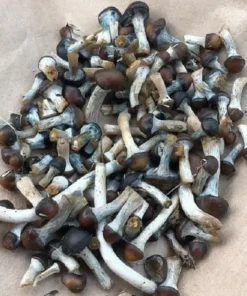
Price range: $170.00 through $830.00
This product has multiple variants. The options may be chosen on the product page 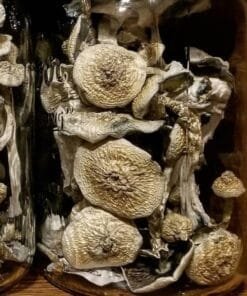
MAGIC MUSHROOMS
Price range: $178.00 through $840.00
This product has multiple variants. The options may be chosen on the product page 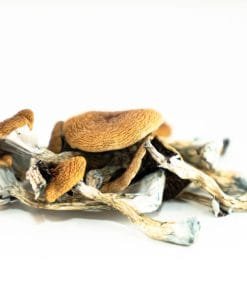
Price range: $190.00 through $890.00
This product has multiple variants. The options may be chosen on the product page
Deacon Ricks (verified owner) –
The best blend of mental clarity and sensory wonder.
Shawn Ross (verified owner) –
I could finally see things clearly — emotionally, mentally, spiritually. The team behind this product made that clarity possible.
Callan Thatcher (verified owner) –
The quality really shows—every time.
Anthony Green (verified owner) –
I was honestly nervous before trying this, but the experience felt like a gentle opening into something deep and beautiful — like my mind finally exhaled.
Alani Grissom (verified owner) –
A soul massage.
Esme Carmichael (verified owner) –
Just the right amount of guidance from the mushrooms.
Arianna Newton (verified owner) –
Truly transformative experience, made even better by the way it was so professionally and discreetly delivered.
Ridge Barnett (verified owner) –
I felt supported, even though I was alone.
Clark Vincent (verified owner) –
Fast, stealthy delivery and amazing quality. I could feel the professionalism behind every step.
Olivia Carter (verified owner) –
I felt held — not just by the product, but by the whole process. From order to unpacking, everything was seamless and professional.
Sylvia Gant (verified owner) –
A soul massage.
Calvin Jennings (verified owner) –
The colors! The love! What a journey.
Tommy Glover (verified owner) –
There’s something powerful about feeling supported even before the journey begins. This site really delivers that.
Tyler Young (verified owner) –
I had no doubt this would be a beautiful trip, but I didn’t expect the emotional clarity I came out with.
Aaron Cook (verified owner) –
Truly transformative experience, made even better by the way it was so professionally and discreetly delivered.
Reed Wilkins (verified owner) –
Truly impressed with how easy and safe this entire process was. Felt more like working with guides than a shop.
Rylee Corbin (verified owner) –
They came in perfect condition—fresh and ready.
Gilbert Sharp (verified owner) –
I felt like I was in safe hands from the moment I placed my order — the delivery was quick, low-key, and the experience was profoundly healing.
Bria Gallegos (verified owner) –
Every time I take these, I feel lighter and more grounded.
Carmen Tate (verified owner) –
A powerful and heart-centered experience.
Travis Brooks (verified owner) –
This felt like a mirror — one that only works when you’re truly ready. I’m thankful for the respectful way it was delivered.
Siena Wilcox (verified owner) –
A guided, intuitive healing experience.
James Jones (verified owner) –
The emotional relief I felt was immediate and lasting. The product arrived exactly when it needed to.
Jason Hall (verified owner) –
Everything was exactly what I anticipated.
Phillip Swanson (verified owner) –
It helped me break through emotional blocks I didn’t even know were there.
Michael Williams (verified owner) –
The professionalism here is unmatched — respectful tone, fast replies, and packaging that made me feel at ease.
Louis Doyle (verified owner) –
Everything about this felt sacred, from the respectful tone of the site to the stillness of the trip itself.
David Smith (verified owner) –
I was amazed at how fast it arrived, and the experience itself was like pressing the reset button on my inner life.
Alfred Marsh (verified owner) –
My experience with this product was sacred, and the way it was delivered only enhanced that trust.
Hailey Wood (verified owner) –
Everything arrived just as expected.
Casey Hoffman (verified owner) –
I came out of the experience more honest with myself and more loving toward others.
Leonard Cobb (verified owner) –
You don’t just feel the effects — you feel the care behind the product.
Brooklyn Alexander (verified owner) –
More than just a product — it’s a tool for real self-awareness.
Lauren Alexander (verified owner) –
A professional and straightforward experience.
Elena Rivera (verified owner) –
The ordering process was quick and convenient.
Natalie Carter (verified owner) –
The packaging was neat and well organized.
Hunter Bailey (verified owner) –
Everything worked out perfectly.
Amanda Sullivan (verified owner) –
Really pleased with my purchase. No complaints at all.
Jade Flores (verified owner) –
Very happy with the overall process.
Blake Marshall (verified owner) –
Everything was handled smoothly.
Kimberly Owens (verified owner) –
A straightforward and satisfying experience.
Trevor Cruz (verified owner) –
The process was organized and efficient.
Chase Ortiz (verified owner) –
Really satisfied with the entire experience.
Victoria Allen (verified owner) –
The entire process was straightforward.
Gabrielle Cruz (verified owner) –
Couldn’t be happier with how smoothly everything went.
Elena Rivera (verified owner) –
Very pleased with the overall service.
Claire Phillips (verified owner) –
Couldn’t be happier with how smoothly everything went.
Jacob Phillips (verified owner) –
Really pleased with how everything turned out.
Nathan Nelson (verified owner) –
The process was convenient and straightforward.
Raymond Simmons (verified owner) –
The entire process was simple and hassle-free.
Alan Cole (verified owner) –
Everything was simple and convenient.