
No products in the cart.
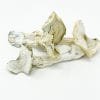
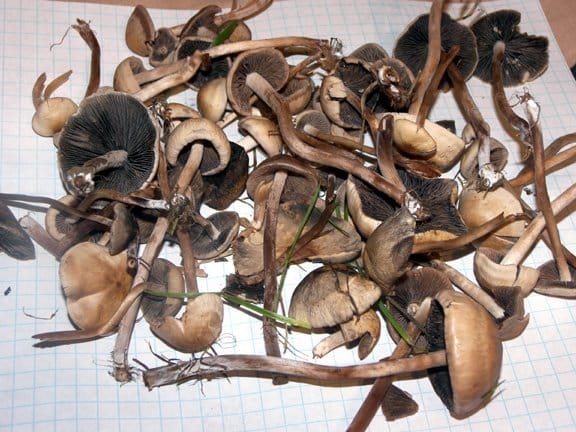
Psilocybe liniformans var. americana – Subtle and Uplifting Fungi
Price range: $190.00 through $890.00
Psilocybe liniformans var. americana offers a smooth, euphoric psilocybin experience. Known for gentle onset and emotional clarity. Ethically grown and licensed.
Psilocybe liniformans var. americana: Essential Identification Guide
Psilocybe liniformans var. americana is an American variety historically recognized within Psilocybe liniformans and associated with dung-rich or heavily manured grasslands. Taxonomic descriptions emphasize a viscid cap, separable gelatinous pellicle, gelatinized gill-edge tissues, and purple-brown spores. Reliable identification requires microscopy, provenance, current taxonomy, and potentially molecular evidence.
Overview
Psilocybe liniformans var. americana is an American infraspecific taxon historically recognized within Psilocybe liniformans, a species associated with coprophilous and fimicolous habitats across temperate regions. The variety is attributed to Gastón Guzmán, the Mexican mycologist whose monographic work on the genus Psilocybe contributed substantially to knowledge of psilocybin-containing fungi in the Americas.
Historical descriptions associate the variety with dung-rich or heavily manured pasture soils, emphasizing a viscid brownish to olive pileus, a separable gelatinous pellicle, gelatinized gill-edge tissues, purple-brown spores, and distinctive microscopic characters including lageniform cheilocystidia. Secondary sources report occurrences in the Pacific Northwest and other American localities, though distribution claims are best evaluated against authenticated herbarium voucher specimens rather than field observations or citizen-science records.
The current nomenclatural and molecular status of this variety requires verification from authoritative sources. MycoBank and Index Fungorum are the appropriate registries for confirming current accepted status, synonymy, and any revisions. Research-grade identification combines morphology, microscopy, ecological context, provenance, and appropriately interpreted molecular evidence rather than any single field characteristic.
Psilocybin and psilocin are the principal controlled alkaloids associated with psychoactive Psilocybe, although species- and variety-specific quantitative evidence for P. liniformans var. americana appears limited in the peer-reviewed literature. This article is provided for scientific, educational, and harm-reduction purposes. Sources were reviewed through July 2025.
Psilocybe liniformans var. americana Taxonomy and Nomenclature
Psilocybe liniformans var. americana is an American infraspecific taxon attributed to Gastón Guzmán within P. liniformans, a species described by Guzmán and Bas. It belongs to Hymenogastraceae within Agaricales. Current nomenclatural status, synonymy, and type information should be verified against the original publication and current fungal nomenclatural registries before research or educational use.
Psilocybe liniformans was described by Guzmán and Bas in 1977 in Persoonia, the journal of the Naturalis Biodiversity Center in the Netherlands. The American variety, P. liniformans var. americana, was attributed to Guzmán in 1978 in the journal Mycotaxon, though the taxon received further systematic treatment in Guzmán’s foundational 1983 monograph on the genus Psilocybe. Researchers requiring authoritative publication details, page numbers, type locality, holotype or lectotype status, and herbarium repository for either the species or the variety should consult the original Mycotaxon publication directly through institutional library access rather than secondary sources, which may carry transcription errors or omit critical nomenclatural detail.
The species belongs to the following taxonomic hierarchy:
- Kingdom: Fungi
- Phylum: Basidiomycota
- Class: Agaricomycetes
- Order: Agaricales
- Family: Hymenogastraceae
- Genus: Psilocybe
- Species: Psilocybe liniformans Guzmán and Bas
- Variety: Psilocybe liniformans var. americana Guzmán
Author citations, including parentheses where required, should be verified against MycoBank and Index Fungorum before citation in research, as nomenclatural registries represent the authoritative record for such details.
Current Taxonomic Status
The accepted nomenclatural status of P. liniformans var. americana and its relationship to var. liniformans should be verified against MycoBank and Index Fungorum as of the date of use, since both registries are updated as new treatments and molecular evidence emerge. Molecular phylogenetic research by Matheny and colleagues, establishing the placement of psilocybin-producing Psilocybe species within Hymenogastraceae, has substantially revised genus and family circumscription since Guzmán’s original morphological treatments. Species and varietal boundaries defined through morphological criteria may not correspond cleanly to genetically defined lineages, and subsequent molecular revisions should be consulted alongside the original descriptions.
Original Description, Type Locality, and Type Specimen
The variety Psilocybe liniformans var. americana is attributed to Gastón Guzmán, with the relevant description published in Mycotaxon in 1978. The parent species, P. liniformans, was described by Guzmán and Bas in Persoonia in 1977. Researchers requiring authoritative morphological dimensions, type locality, collector information, collection date, holotype or lectotype status, and herbarium repository should consult the original 1978 Mycotaxon publication directly through institutional library access. Guzmán’s 1983 monograph provides systematic treatment and comparative context but may not function as the nomenclatural protologue for the variety itself.
Specific dimensional data, spore measurements, and other morphological values reported in secondary sources should be traced to the 1978 publication or authenticated modern revisions before being cited in research. Information appearing in popular literature or informal online resources may not accurately reflect the type description or may conflate measurements from the 1983 monograph with those of the original varietal description.
The type specimen, if preserved, would most likely be held in a herbarium active in receiving North American collections during the 1970s. Researchers should verify the holding institution, specimen identifier, and access protocols through herbarium aggregators or direct institutional contact before citing type information.
Evidence Quality and Research Limitations
Scientific claims about Psilocybe liniformans var. americana rest on a limited published record relative to more intensively studied species. Understanding evidence quality is essential context for interpreting all claims in this article.
Taxonomic evidence: Moderate. The 1978 Guzmán Mycotaxon publication and the 1983 monograph provide the morphological foundation. The degree to which this infraspecific taxon has been assessed molecularly using authenticated specimens is not well established in the peer-reviewed literature.
Molecular evidence: Limited. Publicly accessible sequence-confirmed records for authenticated P. liniformans var. americana specimens in databases such as GenBank appear sparse, reducing the reliability of using this taxon as a molecular reference target.
Chemical evidence: Limited. Published quantitative alkaloid analyses specific to authenticated var. americana specimens are not prominent in the peer-reviewed literature. Potency claims should be treated as provisional.
Distribution evidence: Limited to Moderate. Secondary sources report the variety from the Pacific Northwest, Michigan, and other American localities, but the defensibility of distributional claims depends on whether underlying records are herbarium-vouched with specimen identifiers, sequence-confirmed, or observation-only.
Ecological evidence: Moderate. Association with coprophilous and fimicolous habitats is well established for P. liniformans broadly and is consistent with available records for the American variety.
These ratings reflect sources reviewed through July 2025 and would strengthen with authenticated voucher deposits, molecular sequence data, and peer-reviewed chemical analyses of confirmed specimens.
Psilocybe liniformans var. americana vs. var. liniformans
Psilocybe liniformans var. americana is an infraspecific name applied to American material distinguished from European var. liniformans on taxonomic grounds by Gastón Guzmán. The exact diagnostic differences and current status of this distinction should be reported from the 1978 Mycotaxon publication and contemporary nomenclatural databases.
The following table summarizes the historically described differences between the two varieties based on available taxonomic literature. All features should be verified against primary sources before citation in research.
| Feature | var. americana | var. liniformans |
|---|---|---|
| Geographic association | Americas, including Pacific Northwest | Europe |
| Original publication | Guzmán, Mycotaxon 1978 | Guzmán and Bas, Persoonia 1977 |
| Diagnostic distinctions | Characters described by Guzmán 1978 | Type variety |
| Current status | Verify via MycoBank | Verify via MycoBank |
| Microscopy | Required for identification | Required for identification |
| Molecular assessment | Limited public record | Limited public record |
The precise morphological and microscopic characters distinguishing var. americana from var. liniformans as stated by Guzmán should be read directly from the 1978 publication. Secondary accounts of these differences may introduce inaccuracies through paraphrase or incomplete transcription.
Psilocybe liniformans var. americana Identification: Physical and Microscopic Features
Psilocybe liniformans var. americana identification combines a viscid pileus with separable gelatinous pellicle, gill-edge anatomy, purple-brown spore deposit, microscopic spores and cystidia, dung-associated ecology, provenance, and potentially molecular evidence. None of these characteristics alone establishes species identity or mushroom safety.
Identification at a Glance
| Feature | Psilocybe liniformans var. americana | Notes |
|---|---|---|
| Cap color | Brownish to olive, viscid | Hygrophanous, fades when dry |
| Cap profile | Convex to subumbonate | Variable with age |
| Pellicle | Separable gelatinous pellicle | Taxonomically significant |
| Gill edge | Gelatinized tissue | Confirmed by microscopy |
| Spore print | Purple-brown | Key macroscopic distinction |
| Bluing reaction | Variable or weak | Cannot confirm identity alone |
| Substrate | Dung, manured pasture soils | Coprophilous or fimicolous |
| Microscopy | Required | Cystidia, spores, pileipellis |
Cap (Pileus)
Historical descriptions characterize the cap as convex to subumbonate, viscid when moist, and brownish to olive-brown with hygrophanous behavior causing it to fade as moisture is lost. The viscid surface results from the gelatinized pileipellis, closely associated with the separable pellicle that represents one of the more taxonomically significant macroscopic characters of this taxon. Cap dimensions should be verified from the 1978 Guzmán Mycotaxon publication for authoritative measurements.
Separable Gelatinous Pellicle
Definition: A separable gelatinous pellicle is a thin, gelatinized surface layer of a mushroom cap that can be peeled away from the underlying pileus tissue under suitable specimen conditions. In Psilocybe liniformans var. americana, this character is taxonomically significant and is cited among the features distinguishing it from morphologically similar coprophilous fungi.
The pellicle is not species-specific and occurs in various other fungi, including some coprophilous and grassland species. Its presence is informative when evaluated alongside gill anatomy, spore print color, microscopic features, and ecological context, but it cannot establish species identity on its own. Pellicle separability can vary with specimen age, hydration, and handling.
Coprophilous and Fimicolous Ecology: Key Definitions
Definition: Coprophilous fungi are adapted to grow directly on animal dung. Fimicolous fungi are associated more broadly with dung-rich or manure-influenced substrates, including adjacent soils permeated by decomposing manure. In collection records, distinguishing direct growth from visible dung versus growth in adjacent manured soil provides more precise ecological data and can affect comparisons between locality records.
Gills (Lamellae)
The lamellae are adnate to adnexed, moderately crowded, and progress from pale coloration in young specimens to dark purple-brown as spores mature. A notable anatomical feature is the presence of gelatinized tissue at the gill edge, visible under microscopy and cited in taxonomic descriptions as helping to distinguish this taxon from other small brown coprophilous mushrooms. The diagnostic value of this character for var. americana specifically should be confirmed against the original 1978 treatment.
Stem (Stipe)
The stipe is described as pallid to whitish, slender, and typically exhibiting mycelial fibers at the base. A partial veil may be present in younger specimens but generally leaves only faint traces with maturity without developing into a persistent membranous ring. Stipe tissue may show blue discoloration when damaged, though this reaction can be variable.
Psilocybe liniformans Spores and Spore Print
Psilocybe liniformans var. americana produces a purple-brown spore deposit. Microscopic identification considers spore dimensions, shape, pigmentation, wall structure, and germ-pore morphology. Exact dimensional ranges should be cited from the 1978 Guzmán description or authenticated modern material rather than copied from secondary sources, which may not accurately reflect the primary measurements.
Individual spores are described in taxonomic literature as subellipsoid to rhomboid with thick pigmented walls and a germ pore. A dark purple-brown spore print is one of the most useful macroscopic features for provisionally distinguishing P. liniformans var. americana from toxic coprophilous lookalikes in genera with different spore deposit colors. Spore print collection requires placing a fresh cap gill-side down on paper for several hours in a draft-free environment. Color perception varies under different lighting, and any ambiguity warrants additional investigation.
Bluing Reaction
The bluing reaction in P. liniformans var. americana is variable and may be weak or inconsistent relative to strongly bluing species such as Psilocybe cyanescens. Research published by Lenz and colleagues in Angewandte Chemie in 2020 identified the general mechanism as a damage-triggered enzymatic cascade in which phosphatase activity releases psilocin from psilocybin, which is then oxidized through a copper-dependent laccase reaction to form blue oligomeric pigments. A weak or absent bluing reaction in a damaged specimen does not exclude a psilocybin-containing species, and the reaction cannot confirm species identity even when present.
Psilocybe liniformans Microscopy
Direct answer: Psilocybe liniformans var. americana microscopy examines spore dimensions, geometry, pigmentation, wall thickness, and germ pore morphology alongside basidia, cheilocystidia, pleurocystidia, gelatinized gill-edge tissue, and pileipellis architecture. All measurements should be compared with the 1978 Guzmán description or authenticated modern treatments because microscopic dimensions can overlap among closely related coprophilous Psilocybe species.
Cheilocystidia in historical descriptions of P. liniformans are characterized as lageniform, a flask-shaped or bottle-shaped morphology, and this character is cited as taxonomically useful. The lageniform cheilocystidia, combined with gelatinized gill-edge tissue and spore morphology, contribute to identification beyond what macroscopic observation can provide. Microscopy should be performed by trained individuals or in consultation with a regional mycological society or institutional collection.
Psilocybe liniformans var. americana Habitat, Substrate, and Ecology
Psilocybe liniformans var. americana habitat is associated with dung-rich and heavily manured grassland environments. Historical accounts describe fruiting on or near equine or bovine manure and in manure-enriched pasture soils in temperate regions. Distribution claims are strongest when supported by authenticated herbarium vouchers.
Substrate and Microhabitat
Historical accounts describe P. liniformans var. americana as coprophilous to fimicolous, fruiting on or near animal dung and in heavily manured pasture soils rather than on wood-based substrates. Reported microhabitats include pastures with equine and bovine dung and manure-enriched grassland soils in wet temperate climates. The association with horse dung in Pacific Northwest pastures appears in secondary sources, though these accounts should be evaluated against authenticated herbarium records rather than treated as confirmed distributional data.
This dung-associated ecology distinguishes P. liniformans var. americana from wood-associated Pacific Northwest species such as Psilocybe cyanescens and P. cyanofibrillosa, and from grassland species such as Psilocybe semilanceata, which grows in grassy habitats but is not strongly associated with visible dung.
Psilocybe liniformans Distribution Map: Verified vs. Reported Records
Reports place Psilocybe liniformans var. americana in parts of the Americas, including Pacific Northwest localities such as Washington and Oregon, Michigan, and Chile, but the strength of individual records varies substantially. Herbarium-vouchered and sequence-linked collections provide stronger distribution evidence than photograph-only observations or unsourced location lists.
Occurrence records submitted to platforms such as the Global Biodiversity Information Facility aggregate observations of variable verification quality. Many lack microscopy, spore print data, or molecular confirmation and should not be equated with vouched herbarium material. Researchers assessing range should consult verified institutional collections, weight record categories according to verification method, and treat observation-only accounts as provisional rather than confirmed. Herbarium aggregators and direct contact with institutions holding relevant temperate fungal collections are the appropriate starting points for locating authenticated vouchers.
Psilocybe liniformans Season and Fruiting Conditions
Fruiting in coprophilous temperate Psilocybe species is associated with moist, cool conditions and available substrate. In the Pacific Northwest, this typically corresponds to autumn and early winter when rainfall increases and temperatures cool. Fruiting on fresh dung may occur within days to weeks of substrate deposition under suitable conditions. Specific fruiting windows vary among sites, substrate types, and annual weather patterns.
Psilocybe liniformans Potency and Alkaloid Content
Direct answer: No robust species-specific dataset establishes a universal Psilocybe liniformans var. americana potency value. Precise alkaloid percentages require authenticated specimens analyzed with validated chemistry such as HPLC or LC-MS. Measurements from P. cubensis or other Psilocybe species cannot establish alkaloid concentrations for this variety specifically.
Primary Alkaloids
Psilocybin and psilocin are the principal controlled alkaloids associated with psychoactive Psilocybe species, although species- and variety-specific quantitative evidence for P. liniformans var. americana appears limited. Following ingestion, enzymatic dephosphorylation converts psilocybin to psilocin, which acts as a partial agonist at serotonin receptors, particularly the 5-HT2A receptor, mediating its primary pharmacological effects. Baeocystin and norbaeocystin, related indole alkaloids, have been documented in other Psilocybe species and may be present in this variety, though variety-specific quantitative data are limited.
Analytical Variability
Alkaloid concentrations in psilocybin-containing mushrooms vary with developmental stage, environmental conditions, substrate, storage duration, drying method, and analytical technique. Research by Bigwood and Beug demonstrated substantial within-species variability in psilocybin concentrations under controlled collection conditions in P. cubensis. While this illustrates the general principle that alkaloid content is not fixed within a species, it does not establish the variability range specifically for P. liniformans var. americana, which would require authenticated specimens of that taxon analyzed by comparable methods.
Psilocybe liniformans Lookalikes and Identification Risks
Several coprophilous and grassland mushrooms share morphological features with P. liniformans var. americana in temperate pasture habitats. Species-level identification requires microscopy, spore print examination, ecological context, and geographic provenance. No single field characteristic establishes mushroom identity or safety.
Psilocybe liniformans vs. Psilocybe fimetaria
Psilocybe liniformans and P. fimetaria both occur in dung-associated environments, so substrate alone cannot reliably distinguish them. Taxonomic separation relies on the combined morphology of the cap, gelatinized tissues, lamellar edge anatomy, spore dimensions, and cystidia, interpreted using current descriptions and authenticated reference specimens.
Psilocybe fimetaria is another coprophilous to fimicolous Psilocybe associated with dung-rich environments in temperate regions. Both taxa share habitat preferences that make ecological context alone insufficient for distinction. Taxonomic separation relies on combinations of cap morphology, gelatinized tissue characters, gill-edge anatomy, spore dimensions, cystidia morphology, and current nomenclatural evidence. Researchers should consult current taxonomic treatments for both species to determine which morphological and microscopic criteria are most reliably discriminating.
Psilocybe liniformans vs. Psilocybe semilanceata
P. semilanceata is associated with grassland habitats and a distinctively conical to bell-shaped cap, while P. liniformans is associated with dung-rich substrates and gelatinized tissue characters informative under microscopy. Microscopy and current taxonomic references are preferable when macroscopic features overlap.
Psilocybe semilanceata is associated with temperate grasslands across Europe and parts of North America and is typically described with a conical to bell-shaped cap, often with a pronounced papilla, occurring in grassy habitats rather than on visible dung. Its spore print is dark purple-brown. The separable gelatinous pellicle and gelatinized gill-edge tissue documented for P. liniformans var. americana are not characteristic of P. semilanceata based on comparative taxonomic descriptions, providing microscopic distinction where macroscopic features might overlap. Current taxonomic treatments should be consulted where morphological features are ambiguous.
Other Coprophilous Lookalikes and Safety Considerations
Dung and manured grassland habitats support a range of fungi that may be encountered alongside P. liniformans var. americana. Among the most commonly documented coprophilous species in these habitats are Deconica coprophila, Panaeolus papilionaceus, and Protostropharia semiglobata. These species differ from P. liniformans var. americana in spore deposit color, microscopic anatomy, and other characters, though field distinctions can require careful observation.
Panaeolus papilionaceus produces a black spore deposit rather than the purple-brown deposit of Psilocybe. Protostropharia semiglobata produces a dark spore print but differs substantially in cap anatomy, veil characteristics, and ecology from P. liniformans var. americana. Deconica coprophila, also coprophilous, produces a purple-brown deposit but differs in microscopic anatomy. Toxicity profiles vary among these taxa, and none should be assumed edible based on field observation.
More broadly, no macroscopic feature or combination of field observations is sufficient to establish that a wild mushroom is safe to consume. Any suspected mushroom poisoning warrants immediate contact with Poison Control (U.S.: 1-800-222-1222) and emergency medical evaluation.
Microscopy and Molecular Identification
Why Microscopy Is Essential
For Psilocybe liniformans var. americana, microscopic examination provides access to the most taxonomically informative characters available without molecular analysis. The combination of lageniform cheilocystidia, gelatinized gill-edge tissue, spore dimensions and germ pore morphology, and pileipellis architecture distinguishes this taxon from superficially similar coprophilous fungi more reliably than any macroscopic feature. All measurements should be evaluated against Guzmán’s 1978 Mycotaxon description or authenticated modern revisions rather than secondary sources.
Microscopy should be performed by trained individuals or in consultation with a mycological society or institutional collection with relevant expertise. Regional herbarium collections holding authenticated material may provide comparative reference specimens.
DNA Barcoding and Molecular Analysis
ITS sequencing can contribute to species-level identification for morphologically similar fungi when compared against verified sequences in databases such as GenBank. For P. liniformans var. americana, available molecular reference sequences in public databases may be limited or not verified against authenticated type material, which reduces the reliability of sequence-based identification using this taxon as a reference target. Identification confidence is strongest when morphology, microscopy, provenance, ecology, and appropriately interpreted molecular evidence converge rather than when any single method is applied in isolation. Voucher deposits linking physically preserved material to sequence data contribute to the reference database and support future taxonomic work.
Psilocybe liniformans Lifecycle
Like other basidiomycete fungi, Psilocybe liniformans var. americana progresses through a characteristic developmental sequence. Basidiospores released from mature fruiting bodies are dispersed by wind, water, or substrate disturbance. Under suitable conditions, a germinating spore produces primary hyphae, and when hyphae of compatible mating types fuse, the resulting dikaryotic mycelium colonizes the substrate.
In coprophilous species, mycelium colonizes the nutrient-rich environment of decomposing dung and manure-permeated soil, extracting nutrients through enzymatic activity. Fruiting body initiation responds to suitable moisture and temperature conditions. Primordia develop into mature fruiting bodies bearing basidia on gill surfaces, each basidium typically producing four basidiospores that are discharged and dispersed to complete the cycle. In dung habitats, rapid decomposition of the substrate may compress the visible fruiting window, and fruiting bodies can appear and deteriorate quickly under favorable conditions.
Psilocybe liniformans Legal Status in the USA
Direct answer: Psilocybin and psilocin remain Schedule I controlled substances under U.S. federal law. State and local reforms vary and do not repeal federal restrictions. Laws concerning spores or other biological material depend on jurisdiction and activity, so researchers should consult current statutes rather than vendor shipping policies.
United States Federal Law
Psilocybin and psilocin are classified as Schedule I controlled substances under the Controlled Substances Act. This classification applies to the compounds themselves and extends to mushrooms and other biological material containing them. Possession, manufacture, distribution, and related activities are subject to federal criminal penalties regardless of state or local policy.
State-Level Developments
Several U.S. jurisdictions have enacted or are developing frameworks that modify the legal landscape for psilocybin at the state or local level, though none alter federal law or provide protection from federal enforcement. Oregon Psilocybin Services, established through Measure 109 passed in 2020, created a regulated framework for supervised psilocybin administration at licensed facilities. Colorado Proposition 122, implemented through the Natural Medicine Health Act, established regulated access frameworks for psilocybin and related compounds in that state. Additional municipalities have adopted enforcement-deprioritization or decriminalization policies varying in scope and legal effect.
Individuals and researchers should consult current legal guidance applicable to their specific jurisdiction. State-level reform does not eliminate federal legal risk.
Safety Considerations
Accurate identification of any wild mushroom is a genuine safety matter. Coprophilous and grassland habitats support a diverse range of fungi whose full toxicity profiles are not uniformly characterized. Field identification of small brown mushrooms on dung or manured soil is particularly challenging because substrate alone does not establish species identity and several genera fruiting in these habitats produce dark spore deposits that can be confused with the purple-brown print of Psilocybe.
Reliable identification of P. liniformans var. americana requires convergent evidence from macroscopic features, pellicle character, gill anatomy, spore print, microscopy, ecological context, and ideally molecular confirmation. Identification from photographs is not adequate for safety purposes. The presence of a separable gelatinous pellicle alone does not confirm species identity. A dark spore print alone does not exclude harmful species.
Any suspected mushroom poisoning, or any unexpected or neurological symptom following mushroom ingestion, warrants immediate contact with Poison Control (U.S.: 1-800-222-1222) and emergency medical evaluation.
Psilocybe liniformans var. americana: Key Identification and Research Takeaways
Psilocybe liniformans var. americana is an American infraspecific taxon attributed to Gastón Guzmán and published in Mycotaxon in 1978, within P. liniformans, a species described by Guzmán and Bas in Persoonia in 1977. Its most taxonomically significant characters include a viscid cap with a separable gelatinous pellicle, gelatinized gill-edge tissue, lageniform cheilocystidia, and a purple-brown spore deposit. The variety is associated with coprophilous and fimicolous habitats in wet temperate regions, with secondary sources reporting occurrences in the Pacific Northwest, Michigan, and Chile.
Current nomenclatural status should be verified from MycoBank and Index Fungorum, as molecular phylogenetic work has substantially revised genus and family boundaries since Guzmán’s original descriptions. Species-specific chemical evidence is limited, and potency claims should be treated as provisional. The distinction from var. liniformans should be confirmed from the 1978 protologue rather than from secondary accounts. Distribution is best established through authenticated herbarium vouchers rather than observation-only records.
Identification combining macroscopic morphology, pellicle character, microscopy, substrate, and molecular evidence where available represents the most defensible approach. Psilocybin and psilocin remain Schedule I controlled substances under U.S. federal law, and state-level legal frameworks vary substantially in scope.
For research, educational, or harm-reduction purposes, the most reliable conclusions rest on herbarium-vouched specimens, peer-reviewed evidence, sequence-confirmed records, and authoritative taxonomic and toxicological sources.
Frequently Asked Questions
What is Psilocybe liniformans var. americana?
Psilocybe liniformans var. americana is an American infraspecific taxon attributed to Gastón Guzmán, published in Mycotaxon in 1978, within P. liniformans. Taxonomic descriptions associate it with dung-rich or manured grasslands, a separable gelatinous pellicle, gelatinized gill-edge tissue, purple-brown spores, and lageniform cheilocystidia.
How do you identify Psilocybe liniformans var. americana?
Identification uses multiple characteristics including pileus morphology, pellicle character, gill-edge anatomy, spore deposit color, cystidia morphology, substrate, geographic provenance, and potentially DNA sequence evidence. No single field characteristic reliably establishes species identity or safety.
What is a separable gelatinous pellicle?
A separable gelatinous pellicle is a thin, gelatinized surface layer of a mushroom cap that can be peeled away from the underlying pileus tissue under suitable specimen conditions. It is taxonomically useful but occurs in multiple fungi and is not species-specific.
Where does Psilocybe liniformans var. americana grow?
Historical accounts associate the variety with dung, decomposed manure, and manure-enriched pasture soils in wet temperate regions. Secondary sources report occurrences in the Pacific Northwest, Michigan, and Chile, but distribution claims should be verified using authenticated herbarium specimens.
Does Psilocybe liniformans grow on horse manure?
Historical ecological descriptions associate P. liniformans with horse dung and heavily manured pasture. Researchers should distinguish between fruiting directly from visible manure and fruiting in adjacent manure-enriched soil, as these represent different substrate observations.
What is the difference between Psilocybe liniformans and Psilocybe semilanceata?
P. semilanceata is associated with grassland habitats and a conical to bell-shaped cap, while P. liniformans is associated with dung-rich substrates and gelatinized tissue characters informative under microscopy. Microscopy and current taxonomic references are preferable when macroscopic morphology overlaps.
How is Psilocybe liniformans different from Psilocybe fimetaria?
Both taxa occur in dung-rich environments, so habitat alone cannot reliably distinguish them. Taxonomic separation relies on combinations of cap morphology, gelatinized tissue characters, gill-edge anatomy, microscopic features, and current nomenclatural evidence.
Are Psilocybe liniformans spores legal in the United States?
There is no uniform state-law rule applying throughout the United States. Psilocybin and psilocin are federally controlled substances, while state laws involving spores and fungal material vary by jurisdiction and activity. Researchers should verify current statutes rather than relying on vendor policies.
References and Primary Sources
Original varietal description
Guzmán, G. (1978). Mycotaxon — original publication of Psilocybe liniformans var. americana. Researchers should consult the specific volume and page through institutional library access for type locality, specimen identifiers, and authoritative morphological data.
Parent species description
Guzmán, G., and Bas, C. (1977). Persoonia — original description of Psilocybe liniformans. Consult the primary publication for authoritative nomenclatural details.
Systematic monograph
Guzmán, G. (1983). The Genus Psilocybe: A Systematic Revision of the Known Species Including the History, Distribution and Chemistry of the Hallucinogenic Species. Beihefte zur Nova Hedwigia 74. J. Cramer, Vaduz.
Nomenclature and taxonomy
MycoBank — fungal nomenclature registry
Index Fungorum — fungal names database
Molecular phylogenetics and family placement
Matheny, P.B., et al. (2006). Major clades of Agaricales: a multilocus phylogenetic overview. Mycologia 98(6): 982–995. doi:10.3852/mycologia.98.6.982
Bluing reaction chemistry
Lenz, C., et al. (2020). Injury-triggered blueing reactions of Psilocybe “magic” mushrooms. Angewandte Chemie International Edition 59(4): 1450–1454. doi:10.1002/anie.201910175
Alkaloid variability
Bigwood, J., and Beug, M.W. (1982). Variation of psilocybin and psilocin levels with repeated flushes and age of fruiting bodies of Psilocybe cubensis. Journal of Ethnopharmacology 5(3): 287–291. doi:10.1016/0378-8741(82)90014-9
5-HT2A receptor pharmacology
National Center for Biotechnology Information — Serotonin receptors
Mushroom poisoning and toxicology
Poison Control — Mushroom poisoning
Occurrence records
Global Biodiversity Information Facility
DNA barcoding and sequence databases
NCBI GenBank
International Barcode of Life
DEA scheduling
Drug Enforcement Administration — Drug scheduling
Oregon Psilocybin Services
Oregon Health Authority — Oregon Psilocybin Services
Colorado Natural Medicine Health Act
Colorado Department of Public Health and Environment — Natural Medicine
| QUANTITY | OZ, 1/4 POUND, 1/2 POUND, POUND |
|---|
51 reviews for Psilocybe liniformans var. americana – Subtle and Uplifting Fungi
Add a review
Related products
MAGIC MUSHROOMS
Price range: $190.00 through $890.00
This product has multiple variants. The options may be chosen on the product page 
MAGIC MUSHROOMS
Price range: $180.00 through $860.00
This product has multiple variants. The options may be chosen on the product page 
Price range: $185.00 through $920.00
This product has multiple variants. The options may be chosen on the product page 
MAGIC MUSHROOMS
Price range: $178.00 through $840.00
This product has multiple variants. The options may be chosen on the product page 
Price range: $185.00 through $860.00
This product has multiple variants. The options may be chosen on the product page 
Price range: $170.00 through $830.00
This product has multiple variants. The options may be chosen on the product page 
Price range: $178.00 through $865.00
This product has multiple variants. The options may be chosen on the product page 
MAGIC MUSHROOMS
Price range: $185.00 through $930.00
This product has multiple variants. The options may be chosen on the product page
Journee Blevins (verified owner) –
Consistent quality. This is the only place I trust now.
Alondra Shields (verified owner) –
Love the subtle onset and the emotional journey it took me on.
Jett Rangel (verified owner) –
Helped with deep emotional trauma.
Tobias McFarland (verified owner) –
The spirit of the mushrooms felt kind.
Lily Cooper (verified owner) –
This site gets it. They honor the journey and make sure it’s respected from order to experience.
Kevin Hill (verified owner) –
It’s hard to put into words how much this changed me, but I know it wouldn’t have happened without the care behind the scenes.
Willa Houston (verified owner) –
I wasn’t just buying something — I was giving myself space to grow, and this site made that feel completely natural.
Tommy Glover (verified owner) –
There’s something powerful about feeling supported even before the journey begins. This site really delivers that.
Jocelyn Spencer (verified owner) –
It felt like being wrapped in clarity. I wasn’t high — I was deeply present.
Caleb Chavez (verified owner) –
The moment I opened the package, I could tell this team values the experience as much as the product.
Leroy Benedict (verified owner) –
Consistent quality. This is the only place I trust now.
Liv Whitmore (verified owner) –
My creativity exploded. I felt emotions I hadn’t touched in years. Thank you.
Leonard Cobb (verified owner) –
This helped me release emotional baggage I’d been carrying for years. The way it was delivered gave me the confidence to go inward safely.
Trenton Brody (verified owner) –
Truly elevated my consciousness.
June Hampton (verified owner) –
This gave me space to explore parts of myself without fear or confusion. Everything was clear, even the packaging.
Eric Gray (verified owner) –
It felt more like a sacred exchange than a transaction — the kind of experience you don’t forget.
Mina Truitt (verified owner) –
Great customer service—so responsive and kind.
Riley Boone (verified owner) –
Each moment felt sacred. I was fully immersed in a gentle sense of awe.
Demi Paul (verified owner) –
It’s hard to put into words how much this changed me, but I know it wouldn’t have happened without the care behind the scenes.
Gideon Melton (verified owner) –
This was exactly what I needed for my first trip—safe, smooth, and truly eye-opening.
Ronan Sharpe (verified owner) –
Great customer service—so responsive and kind.
Celeste Lott (verified owner) –
Subtle but profound.
Wayne Pratt (verified owner) –
Every little detail, from delivery to dosage info, was done with purpose. That made a huge difference for me.
Brianna Adams (verified owner) –
I feel more grounded, more creative, and more alive since using this.
Robert Williams (verified owner) –
Very satisfied with how everything turned out.
Caroline Kelly (verified owner) –
Honestly one of the most professional experiences I’ve had with any site in this space. The product was amazing, but so was the packaging, the timing, everything.
Brianna Bryant (verified owner) –
Everything arrived neatly packaged.
Lucia Banks (verified owner) –
It helped me process past emotions with so much gentleness and insight.
Ellie Rowe (verified owner) –
This helped me release emotional baggage I’d been carrying for years. The way it was delivered gave me the confidence to go inward safely.
Daniel Clark (verified owner) –
Beautifully handled from start to finish. Felt guided, not just sold to.
Hunter Butler (verified owner) –
Incredible introspective depth. I could finally hear my intuition clearly.
Ryan White (verified owner) –
The entire process was efficient.
Billy Reynolds (verified owner) –
The ordering process was quick and convenient.
Vivian Zimmerman (verified owner) –
I’ve waited years for something like this — safe, sacred, and available when I was ready.
Owen Perry (verified owner) –
This created a perfect space to breathe, think, and just exist — no pressure, no chaos.
George Powell (verified owner) –
Everything was clearly explained.
Joseph Taylor (verified owner) –
A great experience with no unnecessary complications.
Elizabeth White (verified owner) –
Everything was straightforward and easy.
Valentina Ross (verified owner) –
The ordering process was quick and convenient.
Kinsley Murphy (verified owner) –
Very pleased with the quality of service.
Blake Marshall (verified owner) –
A professional and straightforward experience.
Robert Williams (verified owner) –
The attention to detail was appreciated.
Sofia Harris (verified owner) –
Everything was handled efficiently.
Thomas Jenkins (verified owner) –
Everything arrived in great condition.
Gerald Hamilton (verified owner) –
Smooth ordering process and everything went as expected.
Claire Phillips (verified owner) –
Very pleased with the ordering experience.
Kyle Turner (verified owner) –
Everything was handled efficiently.
Chase Ortiz (verified owner) –
Very happy with how my order was handled.
Bruce Sullivan (verified owner) –
Everything was handled with care.
Isabella Wilson (verified owner) –
Really happy with the level of service.
Heather Fisher (verified owner) –
The attention to detail was appreciated.