
No products in the cart.
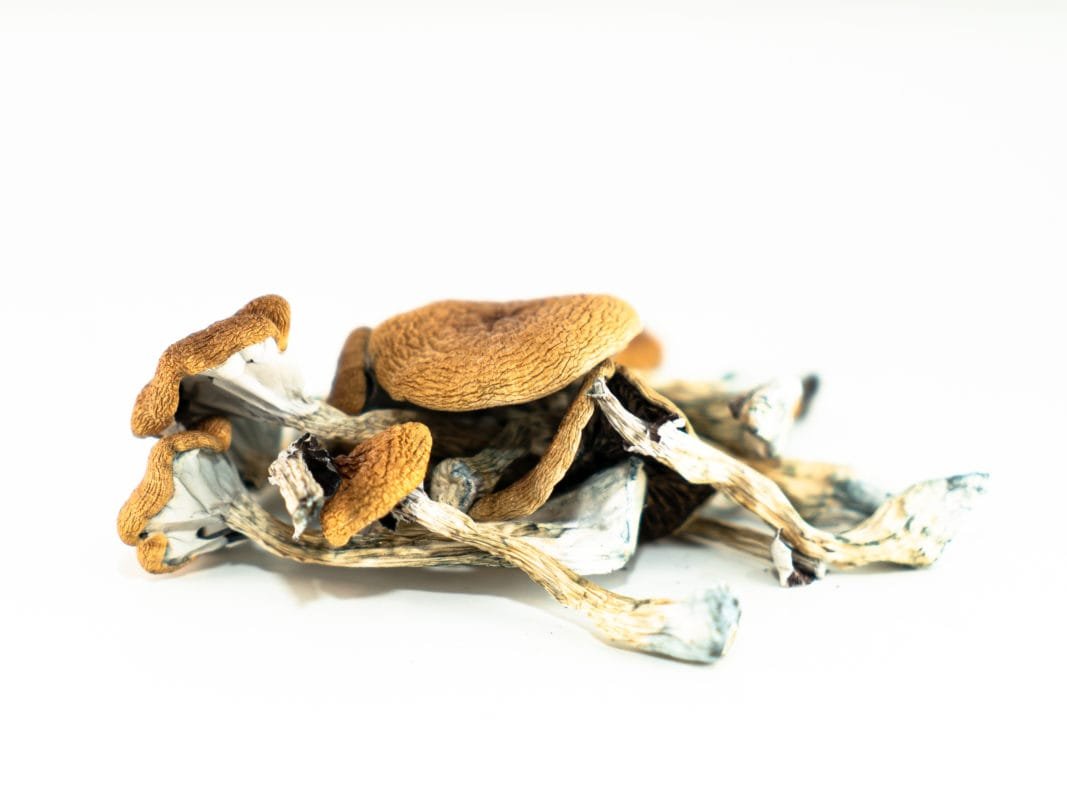
Brazilian Magic Mushrooms – Exotic Psilocybe Cubensis from South America
Price range: $190.00 through $890.00
Explore the vibrant energy of Brazilian Magic Mushrooms, a rare South American psilocybin strain. Known for their uplifting effects and spiritual depth, they’re organically grown and available through a licensed psychedelic distributor.
Brazilian Magic Mushrooms: Essential Mycology Guide
Brazilian Magic Mushrooms is a common commercial name for Psilocybe cubensis cultures described as originating from or associated with Brazil. The designation is an informal strain or provenance label, not a separate fungal species or formally recognized taxonomic variety. P. cubensis belongs to the order Agaricales and the family Hymenogastraceae, though older classifications placed it within Strophariaceae. Modern molecular work generally supports the Hymenogastraceae placement for psychoactive Psilocybe species. Typical species characteristics include golden-brown caps, pale stipes, a veil-derived annulus, and dark purplish-brown spores. Claims that the Brazilian strain is consistently faster-growing, more contamination-resistant, or more potent than other cubensis cultivars lack strong controlled evidence.
What Are Brazilian Magic Mushrooms?
Brazilian Magic Mushrooms is an informal name for Brazilian-origin or Brazilian-labelled Psilocybe cubensis. Brazilian is not a separate species or formally recognized taxonomic variety. Commercial provenance is often difficult to verify, and ordinary microscopy can identify P. cubensis characteristics but generally cannot authenticate Brazilian, Golden Teacher, or B+ cultivar names.
Like all P. cubensis cultures sold under commercial names, the Brazilian label does not correspond to a formally described taxonomic variety. These names reflect informal lineage claims or geographic associations rather than recognized biological subspecific categories.
| Question | Evidence-Based Answer |
|---|---|
| Species | Psilocybe cubensis |
| Brazilian status | Informal cultivar or provenance label |
| Geographic association | Brazil and South America |
| Spore print color | Dark purplish-brown |
| Brazilian-specific potency established | No |
| Faster colonization proven | No controlled comparative evidence |
| Microscopy can authenticate cultivar name | No |
| Main controlled compounds | Psilocybin and psilocin, federally Schedule I |
Brazilian Cubensis Origins
Psilocybe cubensis was formally described by the American mycologist Franklin Sumner Earle in 1906 from Cuban specimens and later revised by Rolf Singer in 1949, as documented in Singer’s foundational work The Agaricales in Modern Taxonomy. The species has since been documented across a wide range of tropical and subtropical environments, including Brazil and South America more broadly. South American Psilocybe cubensis populations share the same coprophilous ecology found throughout the species range, growing primarily on the dung of cattle and other grazing mammals in warm, humid grassland and agricultural settings.
Brazilian-labelled cultures in the cultivation community are commonly described as originating from wild specimens collected in Brazil, though documented chain-of-custody records for most commercial strains are unavailable. As with other cultivar names, the geographic association is conventional rather than scientifically verified for any specific commercial lineage.
Brazilian Magic Mushroom Identification
Brazilian magic mushroom identification relies on the species-level characteristics of Psilocybe cubensis: a golden-to-brown pileus, pale stipe, a partial veil that can leave an annulus, darkening lamellae, blue bruising after tissue damage, and a dark purplish-brown spore print. None of these characteristics uniquely identifies the commercial Brazilian cultivar. Reliable identification requires evaluating multiple morphological features together; no single trait is diagnostic.
Cap (Pileus)
The pileus of P. cubensis is typically 2 to 8 centimeters in diameter, based on measurements reported in Stamets’s Psilocybin Mushrooms of the World and related taxonomic literature. Young caps are conical to convex, maturing to broadly umbonate or nearly plane. Surface color is generally golden-brown to tan, often paler toward the margin and darker at the center, and may be slightly viscid when moist. Brazilian cubensis cap characteristics follow this standard developmental pattern and are not reliably distinguished from other cubensis strains on morphology alone.
Stem (Stipe) and Annulus
The stipe is white to pale yellowish, cylindrical or slightly enlarged at the base, and typically 4 to 15 centimeters tall. A partial veil covers the developing lamellae in young specimens; as the cap expands, this veil ruptures and leaves a membranous annulus on the upper stipe. Both the stipe and cap tissue bruise blue when damaged, a reaction addressed in the chemistry section below.
Gills (Lamellae)
The lamellae are close, adnate to adnexed, and initially pale gray before darkening to purplish-gray as spores mature. The progression of gill color across the developmental cycle is a useful general indicator within the genus.
Spore Print
Taking a spore print is one of the most accessible and informative identification steps. Placing the cap lamellae-side down on white paper for several hours produces a clearly visible deposit. Psilocybe cubensis consistently produces a dark purplish-brown spore deposit. A genuinely jet-black deposit is more characteristic of certain other genera, particularly Panaeolus, and should prompt closer taxonomic examination rather than an assumption of species identity.
Habitat and Ecology
Wild P. cubensis grows on dung or heavily manured soil in warm, humid environments, typically at lower elevations. Brazilian specimens are ecologically consistent with the broader species distribution across tropical South America.
Microscopy and Molecular Identification
Under light microscopy, P. cubensis spores are subellipsoidal, approximately 11 to 17 micrometers in length, with thick walls and a distinct germ pore, as described in Stamets’s taxonomic literature. Basidia are four-spored. Cheilocystidia and pleurocystidia can be observed with appropriate preparation and staining. Microscopic examination of spore morphology, wall characteristics, germ pore structure, and cystidial features provides higher-confidence morphological identification at the species level.
Ordinary microscopy generally cannot distinguish Brazilian spores from Golden Teacher or B+ spores, because these commercial cultivar names have no established strain-specific microscopic diagnostic characters. For cases where morphological features are ambiguous or cultivar provenance is under investigation, internal transcribed spacer sequencing of ribosomal DNA supports species-level identification, though more specific markers or whole-genome approaches may be needed to differentiate closely related commercial lineages.
Brazilian Cubensis Cap Characteristics and Mycelial Growth
Cap Morphology
Brazilian cubensis caps follow the standard P. cubensis developmental sequence: conical in youth, broadly convex to plane at maturity, with golden to caramel-brown coloration. Individual variation within any cubensis culture can be substantial depending on substrate composition, humidity, temperature, and fruiting stage.
Rhizomorphic vs. Tomentose Mycelium
Cultivators frequently describe Brazilian P. cubensis mycelium as rhizomorphic, meaning it grows in rope-like, strand-forming patterns rather than the fluffy, cotton-like tomentose pattern seen in some other cultures. These characteristics are frequently highlighted in commercial descriptions and are sometimes associated with vigorous colonization, but this association is observational. Mycelial growth pattern can shift depending on environmental conditions, substrate, and culture age, which limits its reliability as a strain-specific diagnostic feature.
Brazilian Strain Colonizing Speed and Contamination Resistance
Brazilian P. cubensis is commonly marketed as a fast-colonizing strain with vigorous rhizomorphic mycelium. Vendor and community descriptions also frequently characterize it as relatively contamination-resistant, suggesting it may be suitable for cultivators with less controlled environments.
Controlled studies have not established a universal growth-rate or contamination-resistance advantage for Brazilian-labelled P. cubensis over Golden Teacher, B+, or other commonly cultivated cubensis strains. Contamination resistance reflects the interaction between colonization speed, hyphal density, competitive exclusion of contaminants, and environmental management rather than any intrinsic strain property that can be reliably predicted from a commercial label. Community-reported observations vary considerably depending on substrate preparation, sterilization practice, environmental control, and culture quality.
Psilocybe cubensis Brazil growth rate comparisons in the peer-reviewed literature are essentially absent. Meaningful strain comparisons would require authenticated genetics, standardized substrates and environmental conditions, replicated samples, and appropriate statistical analysis. Current commercial strain descriptions do not meet these requirements.
Brazilian Magic Mushroom Potency and Psilocybin Content
Brazilian mushroom strain potency is not standardized. Psilocybe cubensis contains psilocybin and psilocin, but their concentrations vary substantially between specimens. Current evidence does not establish that Brazilian-labelled P. cubensis is consistently stronger than Golden Teacher or B+. Laboratory analysis of a specific specimen is more informative than its commercial strain name.
What Laboratory Data Show
Psilocybe cubensis contains psilocybin, psilocin, baeocystin, and norbaeocystin as its primary alkaloids. A 2021 study in Drug Testing and Analysis examined alkaloid content across multiple P. cubensis samples and found meaningful variation between specimens, including within samples bearing the same commercial strain name. This finding illustrates why a cultivar label cannot reliably predict the alkaloid content of an individual specimen, and why claims about Brazilian psilocybin content should be treated as approximations rather than fixed values.
Psilocybin and psilocin concentrations vary according to genetics, substrate, environmental conditions, developmental stage at harvest, drying method, and storage. These variables operate independently of commercial strain names.
Brazilian Strain vs Golden Teacher
There is insufficient standardized analytical evidence to conclude that Brazilian P. cubensis is consistently more or less potent than Golden Teacher. Both are commercial labels within the same species. Individual specimens from any named culture can differ substantially in alkaloid concentration. Neither name corresponds to a genetically verified or chemically standardized category.
Brazilian Cubensis vs B+ Strain
The B+ strain is another widely cultivated P. cubensis cultivar with comparable informal status to the Brazilian label. Comparative potency claims between Brazilian and B+ cultures are similarly unsupported by controlled chemical data. Strain names in P. cubensis cultivation reflect informal lineage and community convention rather than defined alkaloid profiles.
Brazilian Cubensis Claims: What Does the Evidence Actually Support?
| Claim | Evidence Level | Conclusion |
|---|---|---|
| Brazilian is a separate species | Strong evidence against | No; it is P. cubensis |
| Brazilian is a formal taxonomic variety | Strong evidence against | No |
| Originates from Brazil | Variable provenance evidence | Plausible for documented lineages; not verifiable for most commercial cultures |
| Faster colonizing than Golden Teacher | Insufficient comparative research | Not established |
| More contamination-resistant than other strains | Insufficient comparative research | Not established |
| More potent than Golden Teacher | Insufficient standardized data | Not established |
| Produces purplish-brown spores | Strong species-level evidence | Yes, consistent with P. cubensis |
| Microscopy can identify the Brazilian cultivar | Strong reason for caution | Species traits can be examined; cultivar provenance generally cannot |
What Scientists Know vs. What Remains Uncertain
Better established: Psilocybe cubensis contains psilocybin, psilocin, baeocystin, and norbaeocystin. Alkaloid concentrations vary substantially between individual specimens even within named commercial strains. Psilocin acts primarily at serotonin 5-HT2A receptors.
Less certain: Whether Brazilian-labelled cultures have a consistent and demonstrable potency advantage over other cubensis cultivars. Whether commercial strain names reflect meaningful genetic or chemical differentiation. The precise pharmacological contribution of minor alkaloids such as baeocystin and norbaeocystin in humans.
Psilocybin Chemistry and the Blue Bruising Reaction
The blue staining observed when P. cubensis tissue is cut or damaged results from an enzymatic cascade involving psilocybin-derived compounds. The phosphatase enzyme PsiP dephosphorylates psilocybin to produce psilocin, and the laccase-type oxidase PsiL then oxidizes psilocin-related molecules into reactive quinone intermediates that polymerize into blue-colored oligomeric compounds. A 2019 study published in Angewandte Chemie by Fricke and colleagues characterized these psilocin-derived blue oligomers and identified the enzymatic steps responsible.
Blue bruising is not a reliable indicator of species identity, strain identity, alkaloid concentration, or safety. Several non-psychoactive and potentially toxic fungi also produce tissue color changes when damaged, and bruising intensity does not correlate consistently with psilocybin content.
Psilocin, once formed through dephosphorylation of psilocybin, acts primarily as an agonist at serotonin 5-HT2A receptors in the brain. This receptor activity underlies the perceptual and psychological effects associated with psilocybin-containing fungi, and has been the subject of controlled human pharmacology research at institutions including Johns Hopkins Center for Psychedelic and Consciousness Research and Imperial College London.
Brazilian Magic Mushroom Effects and Trip Duration
The subjective effects of P. cubensis reflect psilocin’s activity at 5-HT2A and related serotonin receptors. Controlled human psilocybin research reviewed in Carhart-Harris and Goodwin’s 2017 paper in Neuropsychopharmacology documents perceptual alterations, changes in thought patterns, intensified emotional states, heightened introspection, and distorted time perception following oral psilocybin administration. These findings apply to psilocybin as a compound and are not specific to any commercial P. cubensis cultivar.
Onset of effects typically occurs within 20 to 60 minutes of oral ingestion under controlled research conditions. Primary effects generally last 4 to 6 hours, with residual effects sometimes extending an additional 1 to 2 hours, based on pharmacokinetic data reviewed in controlled clinical studies. These figures may differ in real-world conditions where individual metabolism, stomach contents, and variable alkaloid concentration across dried specimens all affect the course of the experience.
Brazilian Magic Mushroom Dosage
No dosage figure can be reliably attributed to Brazilian-labelled P. cubensis as a category because alkaloid concentrations are not predictable from cultivar name alone. Clinical psilocybin research, including work reviewed through the Johns Hopkins Center for Psychedelic and Consciousness Research, expresses dosage in milligrams of purified psilocybin rather than grams of dried mushroom. Translating those figures to dried fungal material introduces substantial uncertainty because of specimen-to-specimen alkaloid variation.
Brazilian Strain Microdosing
Microdosing refers to consuming sub-perceptual amounts of a psilocybin-containing substance on a structured schedule. Research on psilocybin microdosing remains ongoing and inconclusive, as reflected in work from Imperial College London’s Centre for Psychedelic Research. The same alkaloid variability that complicates standard dosing applies equally to microdosing with dried fungal material of unverified potency, making consistent dosing difficult to achieve with any commercially named cultivar.
Brazilian Magic Mushroom Side Effects
Adverse effects documented in clinical and pharmacological literature include nausea, anxiety, disorientation, elevated heart rate, and psychological distress. The National Institute on Drug Abuse notes that individuals with a personal or family history of psychotic disorders face heightened risk of serious adverse psychological reactions. Physically dangerous activities should be avoided during any period of impairment.
The Substance Abuse and Mental Health Services Administration and Poison Control provide resources for individuals experiencing adverse reactions. The national Poison Control helpline in the United States is 1-800-222-1222.
Brazilian Spores and Microscopy Research
Spore Morphology
Brazilian spores microscopy can document characteristics consistent with Psilocybe cubensis, including subellipsoidal spores approximately 11 to 17 micrometers in length, a distinct germ pore, thick walls, and a dark purplish-brown spore deposit. Ordinary microscopy cannot reliably distinguish Brazilian spores from Golden Teacher or B+ spores because these commercial cultivar names have no established strain-specific microscopic diagnostic characters. Species-level identification can be supported through morphological examination of spore dimensions, basidia, cheilocystidia, and pleurocystidia.
Can DNA Testing Identify a Brazilian Strain?
Internal transcribed spacer sequencing of ribosomal DNA is the current standard for species-level fungal identification and can confirm that a specimen is Psilocybe cubensis. However, ITS sequencing may not be sufficient to authenticate commercial cultivar provenance or distinguish closely related strains within the same species. Differentiating Brazilian from Golden Teacher or B+ at the lineage level would likely require more specific genetic markers or whole-genome approaches, and no validated protocol for authenticating commercial P. cubensis cultivar names currently exists in the published scientific literature.
Brazilian Spore Syringe and Research Use in the USA
Spore syringes and spore prints are used by mycologists, students, and researchers for morphological documentation, microscopy education, and taxonomic study. These research applications are distinct from cultivation. Legal considerations governing spore acquisition in the USA vary by jurisdiction, as discussed in the legality section below.
Are Brazilian Magic Mushrooms Legal?
Psilocybin and psilocin remain Schedule I controlled substances under U.S. federal law. Oregon and Colorado have established state-regulated access frameworks, and some municipalities have adopted decriminalization policies. None of these state or local measures repeal federal restrictions. Rules should be verified in each relevant jurisdiction.
U.S. Federal Law
Psilocybin and psilocin are classified as Schedule I controlled substances under the Controlled Substances Act, enforced by the Drug Enforcement Administration. This federal classification applies nationwide. Possession, manufacture, and distribution of psilocybin-containing fungi are federal offenses under this framework regardless of state or local policy.
State-Level Regulated Access
Oregon’s Measure 109, passed in 2020 and administered by the Oregon Health Authority, established Oregon Psilocybin Services, a licensed framework for supervised psilocybin sessions conducted by trained facilitators at approved service centers.
Colorado’s Proposition 122, the Natural Medicine Health Act passed in 2022, created a regulated access system for certain natural medicines including psilocybin and psilocin, administered through the Colorado Department of Public Health and Environment.
Neither state framework repeals federal prohibition.
Municipal Decriminalization
Several U.S. cities, including Denver, Colorado, Oakland and Santa Cruz in California, and Ann Arbor, Michigan, have adopted decriminalization measures or lowest-enforcement-priority policies for personal possession of psilocybin mushrooms. These local measures do not legalize possession under state or federal law.
Are Brazilian Mushroom Spores Legal for Microscopy in the USA?
Ungerminated P. cubensis spores are generally reported not to contain psilocybin or psilocin, which places them in a distinct legal position from the mature fungus in many jurisdictions. However, applicable rules vary by state and can depend on possession, sale, transport, intended use, and specific statutory language. Researchers should verify current state and local law before purchasing, possessing, or shipping spore specimens. Legal advice from a qualified attorney familiar with applicable jurisdictions is recommended where significant uncertainty exists.
Frequently Asked Questions
What are Brazilian Magic Mushrooms?
Brazilian Magic Mushrooms generally refers to Brazilian-origin or Brazilian-labelled Psilocybe cubensis. Brazilian is an informal strain or provenance designation rather than a separate species or formally recognized taxonomic variety.
How potent is the Brazilian cubensis strain?
There is no scientifically established potency range applicable to every Brazilian-labelled specimen. Psilocybin and psilocin concentrations vary according to genetics, environmental history, developmental stage, storage conditions, and analytical methodology. A cultivar name cannot reliably predict the alkaloid content of an individual sample.
Is the Brazilian strain stronger than Golden Teacher?
There is insufficient standardized analytical evidence to conclude that Brazilian P. cubensis is consistently more potent than Golden Teacher. Both are commercial labels within the same species, and individual specimens can differ substantially in alkaloid concentration regardless of strain name.
Why is the Brazilian cubensis strain considered fast-growing?
Vendor and community descriptions frequently characterize Brazilian P. cubensis as vigorous and fast-colonizing. These characterizations have not been established by controlled comparative research, and growth performance varies considerably depending on substrate, environmental conditions, and culture quality.
What color is a Brazilian cubensis spore print?
Psilocybe cubensis produces a dark purplish-brown spore deposit. A genuinely jet-black deposit is more characteristic of certain other genera, including Panaeolus, and should prompt closer taxonomic examination.
Are Brazilian Magic Mushrooms legal in the United States?
Psilocybin and psilocin remain Schedule I controlled substances under U.S. federal law. Oregon and Colorado have established state-regulated access frameworks, and some municipalities have adopted decriminalization policies. None of these measures eliminate federal restrictions.
Are Brazilian mushroom spores legal for microscopy?
Ungerminated P. cubensis spores generally do not contain psilocybin or psilocin, but their legal status varies by jurisdiction, intended use, and other circumstances. Researchers should verify current state and local laws before purchasing, possessing, or shipping specimens.
Can microscopy identify a Brazilian cubensis strain?
Microscopy can reveal characteristics consistent with Psilocybe cubensis, including spore morphology and germ pore structure, but cannot authenticate commercial cultivar names such as Brazilian, Golden Teacher, or B+. Verified provenance or appropriate genetic analysis is required to investigate lineage claims.
51 reviews for Brazilian Magic Mushrooms – Exotic Psilocybe Cubensis from South America
Add a review
Related products
MAGIC MUSHROOMS
Price range: $180.00 through $860.00
This product has multiple variants. The options may be chosen on the product page 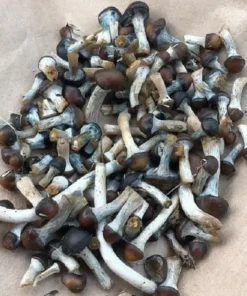
Price range: $170.00 through $830.00
This product has multiple variants. The options may be chosen on the product page 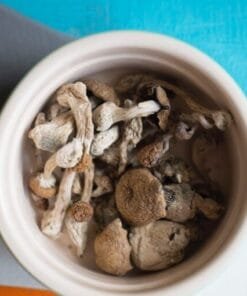
MAGIC MUSHROOMS
Price range: $190.00 through $890.00
This product has multiple variants. The options may be chosen on the product page 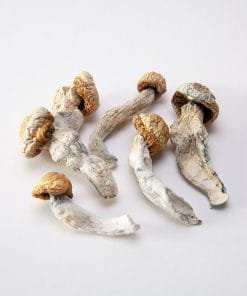
Price range: $180.00 through $910.00
This product has multiple variants. The options may be chosen on the product page 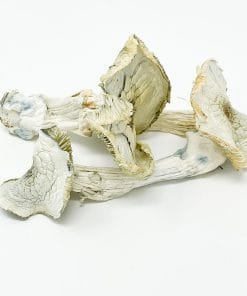
MAGIC MUSHROOMS
Price range: $185.00 through $930.00
This product has multiple variants. The options may be chosen on the product page 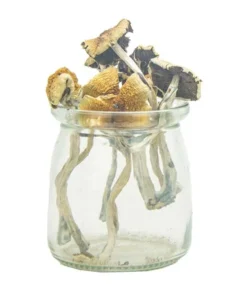
MAGIC MUSHROOMS
Price range: $175.00 through $850.00
This product has multiple variants. The options may be chosen on the product page 
Price range: $170.00 through $830.00
This product has multiple variants. The options may be chosen on the product page 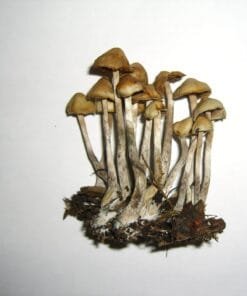
Price range: $190.00 through $890.00
This product has multiple variants. The options may be chosen on the product page
Brock Granger (verified owner) –
Very trustworthy team.
Zariyah Thatcher (verified owner) –
From order to experience, everything was seamless and comforting.
Rodney Little (verified owner) –
What a beautiful, safe, and transformative experience. I’m incredibly grateful.
Lillian Cross (verified owner) –
It helped me confront something difficult with softness and self-love.
Julia Parker (verified owner) –
This product brought so much peace and insight. I sat with myself in total stillness for hours and felt completely safe.
Mina Truitt (verified owner) –
Deep inner clarity, and a new perspective.
Tripp Dowell (verified owner) –
The trip felt like an emotional detox.
Tiana Levine (verified owner) –
Ordering felt clean and easy. The emotional release I had during the session was gentle, powerful, and safe.
Peyton Ford (verified owner) –
I felt like I was being taken care of. That energy was present from order to experience.
Noelle Savage (verified owner) –
No stress, no confusion — just a beautifully smooth and thoughtful experience from start to finish.
Gemma Ramsey (verified owner) –
No distractions, no confusion — just a clean, easy journey into myself.
Mikayla Waller (verified owner) –
No brain fog, no crash—just peace.
Cora Saunders (verified owner) –
Every color seemed to carry a message. I cried a little — not out of sadness, but because something in me finally felt seen.
Kayla Allen (verified owner) –
This wasn’t just a trip — it was a reconnection to parts of myself I’d forgotten.
Silas Hodge (verified owner) –
Great potency without being overwhelming.
Cason Lockett (verified owner) –
The magic is real.
Wesley Brady (verified owner) –
This helped me feel connected to the world again in a way I didn’t know I needed. It was like waking up from a long emotional fog.
Dahlia McCann (verified owner) –
Grateful for a vendor that actually cares about the journey.
Tessa Doyle (verified owner) –
I appreciate how low-key and respectful the process was. It made the emotional journey so much easier to approach.
Kevin Hill (verified owner) –
I laughed, cried, and sat in total peace — all within the span of a few hours.
Ridge Barnett (verified owner) –
Each trip feels safe and magical. It’s like coming home to myself.
Tristan Chapman (verified owner) –
Ordering was simple and smooth, and the support I felt during and after my session was something I didn’t expect from a website.
Blake Russell (verified owner) –
Hands down the best source I’ve come across. Quality, care, and customer support were all on point.
Royce Cardenas (verified owner) –
I felt supported throughout my whole experience, just from how the product was presented.
Jeremias Gold (verified owner) –
My first real spiritual awakening. Thank you.
Valerie Barrett (verified owner) –
You can tell this is run by professionals. Every part of the order felt thoughtful, respectful, and reliable.
Dakota Watts (verified owner) –
The emotional clarity I got from this experience has stayed with me.
Peyton Ford (verified owner) –
There’s something powerful about feeling supported even before the journey begins. This site really delivers that.
Melanie Patterson (verified owner) –
Everything went according to plan.
Eric Gray (verified owner) –
No stress, no confusion — just a beautifully smooth and thoughtful experience from start to finish.
Anthony Moore (verified owner) –
Really satisfied with the entire experience.
Riley Boone (verified owner) –
This was handled like a wellness experience, not just a transaction. I appreciate that more than I can say.
Nova Stewart (verified owner) –
The ordering process was quick and convenient.
Bella Mason (verified owner) –
Beautifully handled from start to finish. Felt guided, not just sold to.
Paisley Evans (verified owner) –
Very satisfied with how everything turned out.
Daniel Miller (verified owner) –
Simple, efficient, and professionally handled.
Samantha Cook (verified owner) –
Very satisfied with how everything turned out.
Sydney Diaz (verified owner) –
Great communication and a straightforward purchasing experience.
Rebecca Myers (verified owner) –
Everything went perfectly from beginning to end.
Hunter Bailey (verified owner) –
Very satisfied with how everything turned out.
Lauren Alexander (verified owner) –
Everything was organized and easy to follow.
Aubrey Scott (verified owner) –
The process was easy from start to finish.
Naomi Bailey (verified owner) –
A simple and enjoyable experience.
Grace Walker (verified owner) –
Everything was exactly what I expected.
Naomi Bailey (verified owner) –
The packaging was secure and presentable.
Mia Anderson (verified owner) –
Simple, efficient, and professionally handled.
Jessica Graham (verified owner) –
Everything was handled carefully and professionally.
Ronald Hughes (verified owner) –
Really happy with my overall experience.
Gregory Bennett (verified owner) –
Everything arrived neatly packaged.
Riley Young (verified owner) –
Really happy with the level of service.
Sofia Harris (verified owner) –
The whole experience was excellent.