
No products in the cart.
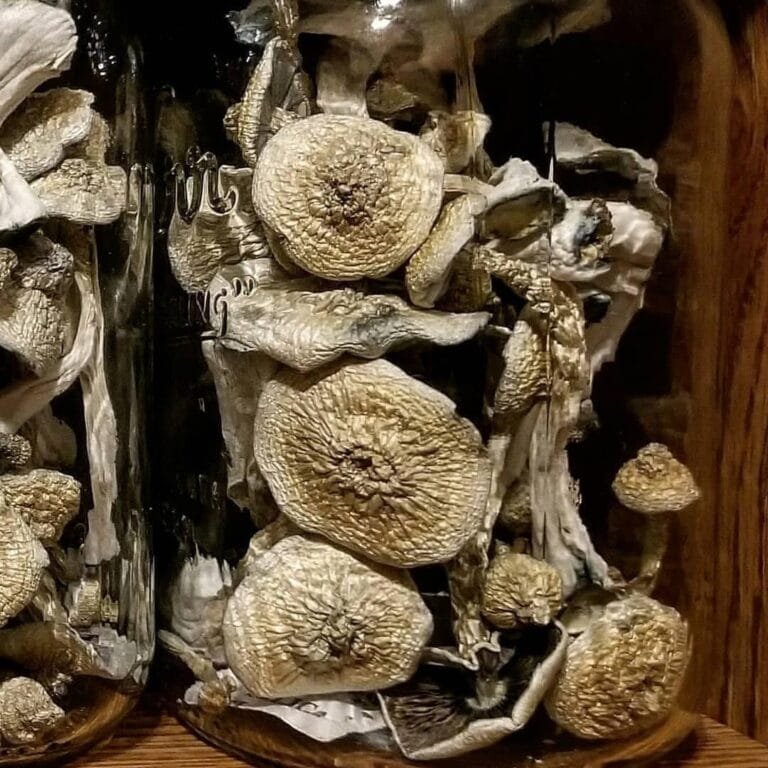
Psilocybe Cyanescens – Ultra-Potent Wavy Cap Mushroom
Price range: $178.00 through $840.00
Psilocybe Cyanescens, or “Wavy Cap,” is one of the most potent psilocybin mushrooms in the world. Known for intense visuals and deep cognitive expansion.
Psilocybe cyanescens: Wavy Cap Identification Guide
Featured Answer: Psilocybe cyanescens, or the wavy cap mushroom, is a wood-decaying psilocybin-containing fungus commonly associated with temperate woodchip habitats. It typically has a hygrophanous brown cap that develops wavy margins, dark purple-brown spores, and blue discoloration after injury. Identification requires multiple characteristics because deadly Galerina marginata can occur in identical habitats.
Overview
Psilocybe cyanescens, commonly known as the wavy cap mushroom, is a saprotrophic basidiomycete in the family Hymenogastraceae that produces psilocybin and related indole alkaloids. It is among the more chemically potent species within the genus Psilocybe and is particularly well documented across cool temperate regions of the Pacific Northwest, including Washington, Oregon, and British Columbia, as well as parts of Europe and other areas with suitable climate and substrate.
The species is strongly associated with woody debris and decomposing wood-based mulch, including landscaped woodchip beds in parks, gardens, and urban green spaces. This preference for human-disturbed environments has likely contributed to its geographic spread beyond its historical range.
Recognizable features include a caramel-to-chestnut hygrophanous cap, a characteristically undulate or wavy margin in mature specimens, pale fibrous stem tissue, dark purple-brown spores, and blue discoloration of injured tissue. Despite these distinctive traits, Psilocybe cyanescens identification requires careful evaluation of multiple characteristics. Deadly species, particularly Galerina marginata, can share the same substrates and growing conditions, making field identification from photographs or any single trait unreliable and potentially dangerous.
Psilocybin remains a Schedule I controlled substance under U.S. federal law. This article is provided for scientific, educational, and harm-reduction purposes only.
Psilocybe cyanescens Identification at a Glance
Psilocybe cyanescens identification requires a combination of macroscopic, microscopic, ecological, and, when needed, molecular evidence. No checklist of visible features certifies that a specimen is safe to handle or consume.
| Feature | Psilocybe cyanescens | Galerina marginata |
|---|---|---|
| Cap color | Hygrophanous chestnut to buff | Hygrophanous tawny to ochre |
| Cap margin | Wavy when mature | Even to slightly wavy |
| Spore print | Dark purple-brown | Rusty-brown to ochre |
| Bluing reaction | Typically present | Absent |
| Veil/ring | Faint fibrous zone | Persistent membranous ring |
| Substrate | Woodchips, woody debris | Wood, stumps, woody debris |
| Amatoxins | Absent | Can be present |
| Microscopy required | Yes | Yes |
This table summarizes frequently reported characteristics for orientation. Field characteristics can vary with age, weather, and condition. Microscopy, spore print examination, and ideally molecular confirmation are necessary for identification approaching research-grade confidence. Any suspected poisoning requires immediate contact with Poison Control and emergency medical evaluation.
Taxonomy and Classification
Psilocybe cyanescens was formally described by British mycologist Elsie Maud Wakefield in 1946, based on specimens collected from Kew Gardens in England. The species epithet cyanescens, derived from the Greek kyanos meaning dark blue, references the characteristic bluing reaction of damaged tissue.
The species belongs to the following taxonomic hierarchy:
- Kingdom: Fungi
- Phylum: Basidiomycota
- Class: Agaricomycetes
- Order: Agaricales
- Family: Hymenogastraceae
- Genus: Psilocybe
- Species: Psilocybe cyanescens Wakef.
Molecular phylogenetic studies have clarified the placement of psilocybin-producing Psilocybe species within Hymenogastraceae, separating them from non-psilocybin-producing species that were previously included in a broader, historically defined genus. Research by Matheny and colleagues and subsequent molecular work have substantially refined genus boundaries. Ongoing taxonomic revisions continue to clarify species limits, and herbarium specimens with associated DNA sequence data are increasingly important to this process.
Psilocybe cyanescens Identification: Physical and Microscopic Features
Psilocybe cyanescens identification requires evaluation of multiple physical and microscopic features together with substrate and ecological context. The following characteristics are commonly documented in mycological literature and herbarium records, but no single feature is sufficient to confirm identity or establish that a specimen is safe.
Cap (Pileus)
The cap measures approximately 2 to 5 centimeters across, though larger specimens are recorded. In fresh, moist conditions the surface is smooth and hygrophanous, shifting color as tissue hydration changes. Fully hydrated caps appear chestnut-brown to caramel, fading toward pale buff or straw as they dry. This gradient, often darker at the center and lighter toward the margin, is a useful contextual indicator but is not diagnostic.
The cap margin is among the more distinctive macroscopic features. Mature specimens typically develop a strongly undulate or wavy margin, the trait that gives the species its common name. Young caps tend to be convex with an inrolled margin; the pronounced waviness develops with maturity.
Gills (Lamellae)
The gills are adnate to adnate-subdecurrent, initially pale, progressing through gray-brown to dark purple-brown as spores mature. Gills are moderately crowded with lamellulae present. The color progression with age, reflecting spore maturation and deposition, is informative when evaluated alongside other features.
Stem (Stipe)
The stipe is typically 40 to 80 millimeters long and 3 to 6 millimeters wide, roughly cylindrical, and often slightly enlarged or curved toward the base. Coloration is whitish to pale buff, with a silky fibrillose surface texture. Dense white mycelial strands are typically present at the base. A partial veil exists in young specimens but usually disappears or leaves only a faint fibrous ring zone with age. Stem tissue readily shows blue discoloration when handled or cut.
Spore Print
Obtaining a spore print is a standard step in macroscopic mushroom identification. P. cyanescens produces a dark purple-brown to violet-brown spore print. This is one of the more useful distinguishing features relative to Galerina marginata, which produces a rusty-brown to ochre print. However, perceived color can vary under different lighting conditions, and overlap or ambiguity should increase caution rather than confidence in identification.
Microscopy
Microscopic examination substantially improves identification confidence. Spores are subellipsoid to rhomboid with smooth walls, a prominent germ pore, and thick pigmented walls, measuring approximately 9 to 12 by 5 to 8 micrometers in reported descriptions. Pleurocystidia and cheilocystidia are present and morphologically informative for separation from look-alike species. Basidia are four-spored. Microscopy does not replace molecular confirmation but is considerably more reliable than macroscopic assessment alone. Resources for mushroom microscopy are available through regional mycological societies and university extension programs.
Bluing Reaction
Damaged tissue in P. cyanescens typically develops blue discoloration within minutes of injury. Research by Lenz and colleagues, published in the journal Angewandte Chemie in 2020, identified that this color change results from a damage-triggered enzymatic cascade: tissue disruption releases psilocin from psilocybin through phosphatase activity, psilocin is then oxidized and forms blue-colored oligomeric compounds through a copper-dependent laccase reaction. The blue pigment is therefore a reaction product of psilocin-related chemistry rather than psilocybin itself.
While this bluing reaction is a frequently cited field indicator, it also occurs in other fungi and cannot confirm species identity. Its absence in a damaged specimen similarly does not exclude P. cyanescens, as reaction intensity varies with specimen condition, age, and handling.
Psilocybe cyanescens Habitat, Woodchips, and Ecology
Psilocybe cyanescens habitat is strongly associated with decomposing woody material in cool temperate environments. Documented habitats include woodchip mulch, landscaped beds, gardens, roadsides, and other settings containing woody debris. In western North America, the species is particularly well documented in the Pacific Northwest.
Substrate Preferences
Psilocybe cyanescens is a saprotrophic fungus that decomposes lignin-rich woody material. It shows a strong preference for wood-based substrates, including hardwood woodchips, mulch beds, woody garden debris, and decaying logs or stumps. Alder (Alnus species) and other hardwoods are frequently associated, though the species is not restricted to a single host genus.
The affinity for woodchip mulch in maintained landscapes has made P. cyanescens a prominent synanthropic fungus, one that benefits from human land use and disturbed environments. Landscaped areas, urban parks, botanical gardens, roadsides, and ornamental beds commonly provide the wood-mulched substrate conditions the species colonizes effectively. This synanthropic tendency has likely facilitated its spread well beyond any historical native range.
Psilocybe cyanescens Distribution in North America and Europe
Psilocybe cyanescens distribution is best documented in the Pacific Northwest of North America, particularly in Washington, Oregon, and coastal British Columbia, where cool maritime climates and abundant woody debris provide suitable conditions. The species is also established across parts of Northern and Central Europe. The original type specimen was collected at Kew Gardens in England, and European populations are well represented in herbarium collections.
Reports from additional temperate regions exist in biodiversity databases, though the taxonomic status of some populations outside the core range warrants verification through molecular analysis. Distribution through contaminated woodchip or mulch material is a plausible mechanism of range expansion, though direct evidence for specific dispersal events is limited.
Curated occurrence records are accessible through the Global Biodiversity Information Facility, though users should note that citizen-science observations in that database represent varying levels of identification confidence and should not be treated as equivalent to herbarium-vouched, sequence-confirmed records.
Psilocybe cyanescens Season and Fruiting Conditions
Fruiting in P. cyanescens is associated with cool, wet conditions and most commonly occurs during autumn and early winter across the Pacific Northwest. In milder maritime climates, fruiting windows may extend into late autumn or winter months. Substrate moisture, ambient temperature, and site-level microclimate all influence the timing and duration of fruiting at a given location. Fruiting windows can vary considerably among sites and across years in response to rainfall and temperature patterns.
Psilocybe cyanescens Lifecycle
Understanding the lifecycle of Psilocybe cyanescens provides context for its ecology, substrate associations, and seasonality. Like other basidiomycete fungi, it progresses through a sequence of developmental stages across its life history.
Spores released from mature fruiting bodies are dispersed by wind, water, or through movement of substrate material. Under suitable moisture and temperature conditions, a germinating spore produces primary hyphae. When hyphae from compatible mating types fuse, they form a dikaryotic mycelium in which each cell retains two distinct nuclei.
The mycelial network colonizes and decomposes woody substrate, breaking down lignin and cellulose to extract nutrients. This mycelium can persist in colonized substrate across seasons. When environmental conditions are favorable, typically cool temperatures combined with adequate moisture, the mycelium initiates the formation of primordia, the early cellular structures that develop into fruiting bodies.
Fruiting bodies mature into the recognizable mushroom form, producing basidia on the gill surfaces. Each basidium typically bears four basidiospores, which are discharged and dispersed to complete the cycle. The visible mushroom represents only the reproductive structure of the organism; the mycelium constitutes the persistent, ecologically active body of the fungus.
Psilocybe cyanescens Potency and Alkaloid Content
Psilocybe cyanescens potency cannot be represented by one reliable species-wide percentage. Published analyses identify psilocybin and psilocin as the major active alkaloids, but measured concentrations vary among specimens and are affected by genetics, developmental stage at collection, environmental conditions, storage, degradation, and the analytical method used.
Primary Alkaloids
The principal psychoactive compounds are psilocybin (4-phosphoryloxy-N,N-dimethyltryptamine) and psilocin (4-hydroxy-N,N-dimethyltryptamine). Following ingestion, enzymatic dephosphorylation converts psilocybin to psilocin, which is the compound primarily responsible for pharmacological activity through partial agonism at serotonin receptors, particularly the 5-HT2A receptor. Baeocystin and norbaeocystin are additional indole alkaloids documented in Psilocybe species, including P. cyanescens, though their specific pharmacological contributions to the overall effect profile are not fully characterized.
What Studies Actually Measure
Published chemical analyses of P. cyanescens, including early work by Bigwood and Beug and later studies using high-performance liquid chromatography and liquid chromatography-mass spectrometry, have reported psilocybin concentrations generally in the range of 0.3 to 1.68 percent of dry weight, with psilocin concentrations typically lower and more variable due to its greater susceptibility to oxidative degradation. These figures reflect measurements from specific specimen sets under specific conditions and should not be interpreted as a fixed species-wide range.
Cross-study comparisons are complicated by differences in drying methods, extraction protocols, instrument calibration, and the degree to which psilocin degrades before analysis. Characterizations of P. cyanescens as a relatively potent Psilocybe species appear in the mycological literature and are consistent with available analytical data, but a reliable fixed numerical comparison with P. cubensis or other species is not supported by the published evidence base.
Psilocybe cyanescens Lookalikes and Identification Risks
Psilocybe cyanescens identification is complicated by several co-occurring species that share its substrates and general appearance. Among these, Galerina marginata presents the most serious safety concern.
Galerina marginata
Galerina marginata is the most critical wavy cap lookalike from a toxicological standpoint. It is a small, brown, wood-associated mushroom that can contain potentially lethal concentrations of amatoxins, including alpha-amanitin, which causes delayed-onset hepatotoxicity and can be fatal without prompt medical intervention. Amatoxin poisoning from Galerina is documented in the medical literature and has been fatal in recorded cases. The North American Mycological Association identifies Galerina marginata as one of the most dangerous mushrooms encountered in North America.
Galerina marginata typically produces a rusty-brown to ochre spore print, compared with the dark purple-brown print of P. cyanescens. A well-developed, persistent membranous ring is usually present on younger Galerina specimens, whereas P. cyanescens leaves only a faint fibrous zone. Galerina does not exhibit the characteristic bluing reaction associated with psilocin-related chemistry.
However, field features can overlap, vary with age and condition, and be difficult to evaluate reliably in the field. Co-occurrence of Galerina and Psilocybe species on shared woodchip substrates has been observed, meaning that mixed collections are possible. No field characteristic, including spore print color, bluing reaction, or substrate, is sufficient to confirm P. cyanescens identity or to exclude Galerina marginata at the level of certainty required for safety. Any suspected mushroom poisoning requires immediate contact with Poison Control (U.S.: 1-800-222-1222) and emergency medical evaluation.
Psilocybe allenii
Psilocybe allenii is a closely related species with overlapping geographic range and similar substrate preferences in the Pacific Northwest. Morphological differences from P. cyanescens are subtle and not reliably distinguishable by casual field examination. Both produce dark purple-brown spores and blue-staining tissue. Molecular analysis is currently the most reliable method for separating them.
Other Brown Mushrooms
Additional small brown wood-associated mushrooms that may grow near or alongside P. cyanescens include species of Hypholoma, Pholiota, and Kuehneromyces. These vary in toxicity and edibility. Their presence in shared habitats reinforces the importance of comprehensive, multi-feature identification before drawing any conclusions about a wild mushroom specimen.
Psilocybe cyanescens vs Psilocybe cubensis
Psilocybe cyanescens and Psilocybe cubensis are both psilocybin-containing species but differ substantially in ecology, morphology, and geographic range. P. cubensis is a dung-associated species found primarily in subtropical and tropical environments, particularly on cattle pasture and manure-enriched soils. P. cyanescens is a wood-decaying species associated with cool temperate climates and woodchip substrates. The two do not typically co-occur under natural conditions.
Morphologically, P. cubensis is generally larger, with caps commonly reaching 5 centimeters or more, a thicker stipe, and a well-developed persistent membranous ring. P. cyanescens is smaller, with the characteristic wavy mature cap margin and a preference for very different substrates and climatic conditions. Both produce spore prints in the purple-brown range, but spore dimensions and precise coloration differ. Chemical analyses suggest P. cyanescens tends toward higher alkaloid concentrations on a dry-weight basis than P. cubensis, though specimen-to-specimen variability in both species makes any fixed comparative ratio unreliable.
Psilocybe azurescens vs Psilocybe cyanescens
Psilocybe azurescens is another wood-associated, psilocybin-containing species found primarily in the Pacific Northwest, particularly near the Columbia River estuary region of Oregon and Washington, where it was described by Paul Stamets and Jochen Gartz in 1995. Available chemical analyses, including those published by Stamets, report higher measured psilocybin concentrations in P. azurescens than in P. cyanescens on a dry-weight basis, though these figures reflect specific specimen sets and should not be treated as universal species-wide values.
Morphologically, P. azurescens tends to be larger, with a broader, more conical to umbonate cap, pronounced bluing, and a more robust silky stipe. Both species share a preference for woody substrates and cool temperate fruiting conditions, and habitat overlap occurs in parts of the Pacific Northwest. Both are associated with Wood Lovers Paralysis reports. Reliable distinction between the two requires attention to multiple morphological features and, for research-grade conclusions, microscopic or molecular examination.
Wood Lovers Paralysis
Wood Lovers Paralysis is an informal term for transient weakness, impaired coordination, or temporary motor dysfunction reported by some individuals after consuming wood-associated Psilocybe species, including P. cyanescens and P. azurescens. Affected individuals have described episodes ranging from muscle weakness and difficulty walking to more significant loss of motor control occurring alongside or following typical psychoactive effects.
The causal agent and mechanism have not been established through adequate clinical or pharmacological research. Much of the available evidence is observational or anecdotal, drawn from self-reported accounts rather than controlled clinical investigation. The syndrome has not been attributed specifically to psilocybin or psilocin, as those compounds do not consistently produce this effect profile in other contexts. Some researchers have proposed that additional uncharacterized compounds present in wood-associated Psilocybe species may contribute, but this remains speculative and unsupported by direct experimental evidence.
Described cases in the published and informal literature suggest symptoms are typically temporary and resolve without permanent injury, but the absence of systematic clinical data means the full risk profile, including factors that may predispose individuals to more severe episodes, is unknown. Unexpected neurological or motor symptoms following mushroom ingestion should be treated as a medical emergency. Immediate contact with Poison Control and emergency medical evaluation are the appropriate responses regardless of the suspected cause.
Psilocybe cyanescens Spores and Spore Prints
The spore print of Psilocybe cyanescens is dark purple-brown to violet-brown. Obtaining a print requires placing a fresh cap gill-side down on paper for several hours in a draft-free environment. The dark coloration is visually distinct from the rusty-brown print characteristic of Galerina marginata, though this comparison requires consistent lighting and careful observation. Color perception under variable ambient light can introduce ambiguity that should increase, not reduce, caution.
Under light microscopy, individual P. cyanescens spores are subellipsoid to rhomboid with smooth walls, a prominent germ pore, and thick pigmented walls, with dimensions reported in the range of approximately 9 to 12 by 5 to 8 micrometers in descriptive accounts. Spore shape, dimensions, germ pore characteristics, and wall thickness are collectively useful identification criteria referenced in technical keys and are more reliably discriminating than macroscopic features alone. Spore print examination is a standard step in responsible macroscopic identification but does not replace microscopic or molecular analysis.
Identification Methods
Macroscopic Assessment
Macroscopic assessment evaluates visible and physical features: cap color, hygrophanous behavior, shape, margin characteristics, gill color progression, stipe morphology, partial veil presence or absence, and bluing reaction. These features can narrow the range of candidate identities but do not reliably confirm species at a level of confidence appropriate for safety-relevant decisions.
Spore Print Examination
Spore print color provides an important additional data point. The contrast between the dark purple-brown print of P. cyanescens and the rusty-brown print of Galerina marginata is a meaningful distinction, but variability in perception and the critical consequences of error mean that this single test is necessary but not sufficient.
Microscopy
Light microscopy allows evaluation of spore morphology, cystidia structure, and basidia characteristics. These microscopic features, combined with macroscopic observations and substrate data, substantially narrow identification possibilities and provide considerably greater confidence than field observation alone. Regional mycological societies and university natural history programs sometimes provide access to microscopy resources and expertise.
Molecular Methods
DNA barcoding using the internal transcribed spacer region of ribosomal DNA, compared against verified reference sequences in databases such as GenBank, currently offers the most reliable species-level identification for morphologically cryptic fungi. However, identification confidence from molecular methods depends on reference database quality, marker resolution, specimen integrity, and whether closely related species are adequately represented in the database. The strongest identification conclusions result when morphological, microscopic, ecological, and sequence evidence are in agreement rather than when any single method is applied in isolation.
Evidence Quality and Research Limitations
Scientific claims about Psilocybe cyanescens rest on different categories of evidence with meaningfully different reliability. Understanding these distinctions is relevant to interpreting both this article and the broader literature.
Herbarium-vouched specimens represent verified, physically preserved records with associated locality and collector data. These form the foundation of taxonomic descriptions and are the most citable evidence for morphological and distributional claims.
Sequence-confirmed records link morphological observations to molecular data deposited in curated databases such as GenBank. These are the most reliable basis for species-level identification in cases where morphology alone is ambiguous.
Peer-reviewed chemical analyses using validated analytical methods such as HPLC and LC-MS provide the most reliable basis for alkaloid content claims, though they reflect specific specimen sets rather than fixed species-wide values.
Curated biodiversity observations from databases such as GBIF aggregate records of varying verification quality. Many observations lack microscopy, spore print, or molecular data and should not be equated with vouched specimens.
Anecdotal and self-reported accounts form most of the available evidence for Wood Lovers Paralysis and some distribution reports. These accounts are informative as hypothesis-generating observations but cannot establish causation or reliable prevalence.
This article draws on all these categories where noted and attempts to distinguish them. Readers using this content for research, harm reduction, or policy purposes should consult primary sources directly.
Legal Status
United States Federal Law
Psilocybin and psilocin are classified as Schedule I controlled substances under the Controlled Substances Act. This classification applies to the compounds themselves and extends to mushrooms and other biological material containing them. Possession, manufacture, distribution, and related activities are subject to federal criminal penalties. Schedule I status indicates that, under federal law, these substances have no currently accepted medical use and a high potential for abuse, though ongoing clinical research at licensed institutions continues under DEA-issued research registrations.
State-Level Developments
Several U.S. states have enacted or are developing legal frameworks that modify the landscape for psilocybin at the state level, though none of these alter federal law or provide protection from federal enforcement.
Oregon Measure 109, passed in 2020 and implemented through Oregon Psilocybin Services, established a regulated framework for supervised psilocybin services administered at licensed facilities. This framework permits supervised administration by trained facilitators and does not authorize personal possession or home use.
Colorado Proposition 122, passed in 2022 and implemented through the Natural Medicine Health Act, created regulated access frameworks for psilocybin and several other natural compounds through licensed healing centers, with provisions for personal use under defined conditions established by the Colorado Department of Public Health and Environment.
Additional cities and localities have enacted decriminalization or enforcement-deprioritization policies. These vary substantially in scope and legal effect and provide no protection from federal enforcement. Individuals should consult current legal guidance applicable to their specific jurisdiction before drawing conclusions about lawful activity.
Safety Considerations
Accurate Psilocybe cyanescens identification is a genuine safety concern, not a precautionary formality. Galerina marginata, which can contain lethal amatoxins including alpha-amanitin, grows in identical substrates and can closely resemble psilocybin-containing Psilocybe species under field conditions. Amatoxin poisoning characteristically presents with delayed onset, often 6 to 24 hours after ingestion, which can create a false sense of safety before severe hepatotoxic effects develop. Documented fatalities from Galerina poisoning are recorded in the medical literature.
Reliable identification requires evaluation of multiple macroscopic and microscopic features, preferably with molecular confirmation. Identification from photographs is not sufficient for safety purposes under any circumstances. Blue staining alone does not confirm species identity. Spore print color alone does not exclude dangerous species. No combination of field observations provides certainty equivalent to laboratory analysis.
Any suspected mushroom poisoning, or any unusual, unexpected, or neurological symptom following mushroom ingestion, warrants immediate contact with Poison Control (U.S.: 1-800-222-1222) and emergency medical evaluation. Do not wait for symptoms to worsen before seeking help.
Psilocybe cyanescens: Key Identification and Research Takeaways
Psilocybe cyanescens is a wood-decaying Psilocybe species strongly associated with cool temperate climates and human-created woodchip habitats, most extensively documented in the Pacific Northwest and parts of Europe. Its wavy mature cap, hygrophanous coloration, dark purple-brown spores, blue tissue reaction, and preference for woody substrates are collectively useful orientation features, but none individually establishes identity or safety.
Confident identification draws on macroscopic assessment, spore print examination, microscopy, ecological context, and, for research-grade conclusions, molecular sequence data compared against verified reference collections. Galerina marginata, a potentially lethal amatoxin-containing species, shares the same substrates and demands that every identification decision be treated with appropriate caution.
Chemical analyses characterize P. cyanescens as a relatively high-alkaloid Psilocybe species, but alkaloid concentrations vary substantially among specimens and are influenced by environmental, developmental, and analytical variables. Psilocybin and psilocin remain Schedule I controlled substances under U.S. federal law, and state-level legal reforms vary widely in scope and do not eliminate federal restrictions.
For research, harm reduction, or educational purposes, the strongest conclusions rest on herbarium-vouched specimens, peer-reviewed chemical studies, sequence-confirmed records, and authoritative toxicological and legal sources rather than on field observation or informal reporting alone.
Frequently Asked Questions
What is Psilocybe cyanescens?
Psilocybe cyanescens, commonly called the wavy cap, is a saprotrophic, psilocybin-containing mushroom in the family Hymenogastraceae. It decomposes woody material and is strongly associated with cool temperate woodchip and mulch habitats.
How do you identify Psilocybe cyanescens?
Mycological identification considers multiple characteristics, including a hygrophanous brown cap that often develops a wavy margin, a pale fibrous stipe, blue discoloration after damage, dark purple-brown spores, microscopy, substrate, and ecology. No single feature reliably establishes identity or safety.
Where does Psilocybe cyanescens grow?
Psilocybe cyanescens occurs in temperate regions and is particularly well documented in the Pacific Northwest. It is frequently associated with woody debris, landscaped woodchips, mulch beds, and other human-disturbed environments containing decomposing wood.
When does Psilocybe cyanescens fruit?
Fruiting is typically associated with cool, wet weather and commonly occurs during autumn and into colder periods in suitable temperate climates. Rainfall, substrate moisture, microclimate, and local temperatures influence seasonal timing.
What is the difference between Galerina marginata and Psilocybe cyanescens?
Galerina marginata typically produces rusty-brown spores and does not exhibit the blue tissue reaction associated with P. cyanescens. However, field characteristics overlap and vary with age and condition. Galerina can contain potentially lethal amatoxins, so photographic or single-trait identification should never be used to determine whether a wild mushroom is safe to consume.
Is Psilocybe cyanescens stronger than Psilocybe cubensis?
Published chemical analyses generally characterize P. cyanescens as a relatively high-alkaloid Psilocybe species, but potency varies substantially among specimens. No reliable fixed multiplier comparing it with P. cubensis is supported by the available analytical literature.
Why does Psilocybe cyanescens turn blue?
Tissue damage triggers an enzymatic cascade involving phosphatase activity, psilocin oxidation, and a copper-dependent laccase reaction that produces blue oligomeric compounds. This reaction, documented in primary chemistry research, is informative but not unique to P. cyanescens and cannot confirm species identity on its own.
What is wood lovers paralysis?
Wood Lovers Paralysis is an informal term for episodes of weakness, impaired coordination, or temporary motor dysfunction reported after ingestion of some wood-associated Psilocybe species. Its cause has not been established through adequate clinical research, and most available evidence is anecdotal. Serious or unexpected neurological symptoms after mushroom ingestion require immediate medical evaluation.
References and Primary Sources
The following sources support specific claims in this article. Readers are encouraged to consult primary literature directly for research or clinical purposes.
Taxonomy and nomenclature
Wakefield, E.M. (1946). Transactions of the British Mycological Society — original description of Psilocybe cyanescens. MycoBank record
Molecular phylogenetics and family placement
Matheny, P.B., et al. (2006). Major clades of Agaricales: a multilocus phylogenetic overview. Mycologia 98(6): 982–995. doi:10.3852/mycologia.98.6.982
Bluing reaction chemistry
Lenz, C., et al. (2020). Injury-triggered blueing reactions of Psilocybe “magic” mushrooms. Angewandte Chemie International Edition 59(4): 1450–1454. doi:10.1002/anie.201910175
Alkaloid chemistry and analysis
Bigwood, J., and Beug, M.W. (1982). Variation of psilocybin and psilocin levels with repeated flushes (harvests) and age of fruiting bodies of Psilocybe cubensis (Earle) Singer. Journal of Ethnopharmacology 5(3): 287–291. doi:10.1016/0378-8741(82)90014-9
Psilocybe azurescens description
Stamets, P., and Gartz, J. (1995). A new caerulescent Psilocybe from the Pacific coast of northwestern America. Integration 6: 21–27.
Galerina marginata and amatoxin toxicology
North American Mycological Association — Galerina marginata
Poison Control — Mushroom poisoning
5-HT2A receptor pharmacology
National Center for Biotechnology Information — Serotonin receptors and psilocybin
DEA scheduling
Drug Enforcement Administration — Drug scheduling
Oregon Psilocybin Services
Oregon Health Authority — Oregon Psilocybin Services
Colorado Natural Medicine Health Act
Colorado Department of Public Health and Environment — Natural Medicine
Occurrence records
Global Biodiversity Information Facility — Psilocybe cyanescens
DNA barcoding
International Barcode of Life — DNA barcoding
NCBI GenBank
| QUANTITY | OZ, 1/4 POUND, 1/2 POUND, POUND |
|---|
51 reviews for Psilocybe Cyanescens – Ultra-Potent Wavy Cap Mushroom
Add a review
Related products
Price range: $180.00 through $910.00
This product has multiple variants. The options may be chosen on the product page 
MAGIC MUSHROOMS
Price range: $178.00 through $840.00
This product has multiple variants. The options may be chosen on the product page 
Price range: $190.00 through $890.00
This product has multiple variants. The options may be chosen on the product page 
Price range: $180.00 through $910.00
This product has multiple variants. The options may be chosen on the product page 
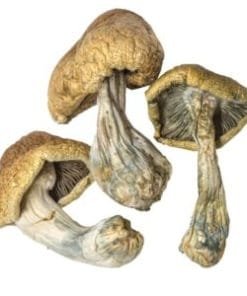
Price range: $185.00 through $860.00
This product has multiple variants. The options may be chosen on the product page 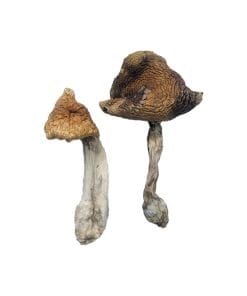
Price range: $180.00 through $885.00
This product has multiple variants. The options may be chosen on the product page 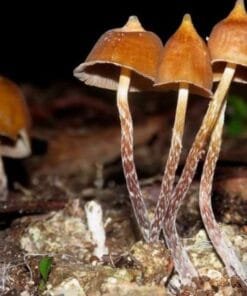
Price range: $178.00 through $865.00
This product has multiple variants. The options may be chosen on the product page 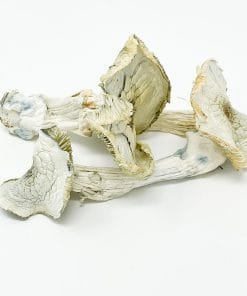
MAGIC MUSHROOMS
Price range: $185.00 through $930.00
This product has multiple variants. The options may be chosen on the product page
Kobe Easton (verified owner) –
It’s like these mushrooms knew exactly where to go.
Quincy Bernard (verified owner) –
Beautiful energy.
Ella Cox (verified owner) –
Helped me realize how much I was carrying emotionally. It softened the edges of everything.
Tanner Paul (verified owner) –
This is more than just a shop. It’s a trustworthy path into inner work.
Miranda Paulson (verified owner) –
Each trip feels safe and magical. It’s like coming home to myself.
Julia Parker (verified owner) –
The moment I opened the package, I could tell this team values the experience as much as the product.
Francesca Wyatt (verified owner) –
Felt held by something bigger than me.
Lucia Banks (verified owner) –
I wasn’t expecting such a deep emotional reset. It was like therapy, but from within.
Hunter Butler (verified owner) –
Even in silence, I felt deeply connected — like I was being held by the universe.
Cora Saunders (verified owner) –
I felt held the entire time — from opening the package to the final moments of deep reflection.
Langston Moyer (verified owner) –
A guided, intuitive healing experience.
Giselle Durham (verified owner) –
I’ve tried many sources, but this one truly feels professional and cared for.
Zaylee Radcliffe (verified owner) –
Such a gentle push toward healing.
Brandon Hall (verified owner) –
Fast, stealthy delivery and amazing quality. I could feel the professionalism behind every step.
Lacey Frazier (verified owner) –
Perfect trip, start to finish.
Willow Love (verified owner) –
Hands down the best source I’ve come across. Quality, care, and customer support were all on point.
Wayne Pratt (verified owner) –
It brought me into the moment in the most intimate way. I noticed the beauty in the tiniest details.
Desmond Cain (verified owner) –
No drama, no noise — just peace, insight, and quality. That’s what this experience gave me.
Skye Zimmerman (verified owner) –
Absolutely floored by the professionalism. Discreet, fast, kind, and most importantly — powerful results.
Rylee Corbin (verified owner) –
Amazing quality mushrooms! I’ve never felt more connected to the world around me.
Kevin Hill (verified owner) –
This isn’t just about the trip — it’s about feeling safe, informed, and respected along the way. That’s exactly what I got here.
Benjamin Campbell (verified owner) –
Discreet doesn’t even begin to describe it — everything was flawless. And the emotional release I had during the session? Unmatched.
Bella Mason (verified owner) –
Beautiful experience, smooth journey, and zero stress about shipping. These folks know exactly what they’re doing.
Lylah Randle (verified owner) –
The packaging was professional, the product was fresh, and the journey was profound.
Dakota Watts (verified owner) –
This helped me close an emotional chapter I’d been stuck in. The quality made that healing possible.
Bo St. Clair (verified owner) –
I felt cradled in love.
Alexis King (verified owner) –
A deeply emotional journey that was only possible because I knew I was in good hands.
Haven Parks (verified owner) –
No stress, no confusion — just a beautifully smooth and thoughtful experience from start to finish.
Christopher Wilson (verified owner) –
The best part was knowing I didn’t have to worry about the process. I could just focus on the journey.
Gregory Bennett (verified owner) –
The purchasing experience was excellent.
Hailey Wood (verified owner) –
Everything was clearly explained.
Oscar Stone (verified owner) –
This wasn’t just a trip — it was a reconnection to parts of myself I’d forgotten.
Lucia Banks (verified owner) –
Sometimes you just need to be held by an experience. That’s what this was — and I’m grateful it came from people who understand that.
Nicole Ford (verified owner) –
Really satisfied with the communication.
Ryan White (verified owner) –
The whole process exceeded my expectations.
Scott Price (verified owner) –
Everything arrived exactly as described. Very happy with the overall experience.
Jason Hall (verified owner) –
Very happy with how my order was handled.
Mark Ross (verified owner) –
The entire process was simple and hassle-free.
Elena Rivera (verified owner) –
Really happy with the overall service.
Elena Rivera (verified owner) –
The whole experience was excellent.
Brooklyn Mitchell (verified owner) –
The service was professional and reliable.
Jessica Graham (verified owner) –
Everything went perfectly from beginning to end.
Gabrielle Cruz (verified owner) –
The packaging was neat and well organized.
Carl Griffin (verified owner) –
A straightforward and satisfying experience.
Charles Perry (verified owner) –
Smooth ordering process and everything went as expected.
Abigail Martin (verified owner) –
The entire experience felt well organized.
Reagan Powell (verified owner) –
Everything was straightforward and easy.
Stephanie Hamilton (verified owner) –
Great service and a smooth experience.
Kenneth Barnes (verified owner) –
Really pleased with how everything turned out.
Melanie Patterson (verified owner) –
Everything arrived exactly as described. Very happy with the overall experience.
Lucy Parker (verified owner) –
Everything arrived neatly packaged.