
No products in the cart.
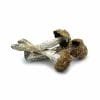
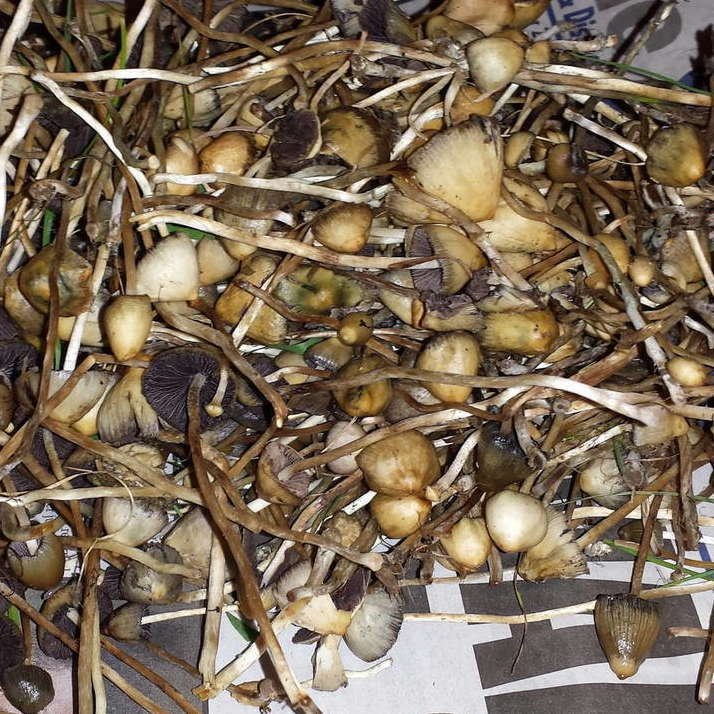
Psilocybe semilanceata – Liberty Cap Wild Psychedelic Mushroom
Price range: $170.00 through $830.00
Psilocybe semilanceata, also known as Liberty Cap, is a wild psilocybin mushroom known for potent cerebral effects and historical use in European traditions.
Psilocybe semilanceata: Liberty Cap Identification and Lookalikes
Psilocybe semilanceata, or the Liberty Cap, is a psilocybin-containing grassland mushroom characterized by a small conical cap with an acute umbo, hygrophanous coloration, a separable gelatinous pellicle, a slender ringless stem, and purple-brown spores. Reliable identification requires multiple characteristics because potentially dangerous small brown mushrooms can appear similar.
What Is Psilocybe semilanceata?
Psilocybe semilanceata is one of the most widely documented psilocybin-containing mushrooms in the world. It belongs to the family Hymenogastraceae within the order Agaricales and the division Basidiomycota, and it produces the psychoactive compounds psilocybin, psilocin, and baeocystin. The species has been the subject of substantial mycological and pharmacological research since the mid-twentieth century.
This guide is intended for researchers, students, and naturalists seeking a scientifically grounded account of the species. It covers taxonomy, morphology, microscopy, habitat, distribution, chemical testing, dangerous lookalikes, and the current legal framework in the United States. Correct identification of any wild mushroom requires convergent evidence from multiple characteristics. This guide does not encourage foraging or consumption.
Taxonomic Identity at a Glance
| Field | Value |
|---|---|
| Accepted name | Psilocybe semilanceata (Fr.) P.Kumm. |
| Basionym | Agaricus semilanceatus Fr. (1838) |
| Family | Hymenogastraceae |
| Order | Agaricales |
| Phylum | Basidiomycota |
| NCBI Taxonomy ID | 11006 |
| Index Fungorum | IF 252122 |
| MycoBank | MB 252122 |
| Common name | Liberty Cap |
Taxonomy and Nomenclature
Elias Magnus Fries formally described this species in 1838 under the name Agaricus semilanceatus. Paul Kummer transferred it to the genus Psilocybe in 1871, establishing the combination that remains current. The epithet semilanceata refers to the narrowly lance-shaped cap that distinguishes the species from many of its relatives.
Synonyms recorded in Index Fungorum include Agaricus semilanceatus Fr. The species has no accepted infraspecific taxa. Molecular phylogenetic studies have confirmed its placement within the core psilocybin-producing clade of Psilocybe, and the genus was revised following work that segregated non-psilocybin-containing species into Deconica and related genera. Users should verify nomenclatural identifiers directly against Index Fungorum and MycoBank, as taxonomic databases are periodically updated.
Curated sequence data from herbarium-verified specimens are available through GenBank and support species-level identification by DNA barcoding of the ITS region.
Psilocybe semilanceata Identification: Morphology and Field Characters
Accurate Liberty Cap identification depends on evaluating all macroscopic features together rather than relying on any single characteristic. The descriptions below are drawn from peer-reviewed mycological literature and verified herbarium records.
What Does Not Identify a Liberty Cap?
Before describing positive characteristics, it is useful to clarify which features alone are insufficient for identification:
- Acute umbo: A nipple-like cap apex is consistent with the species but not unique to it. Several unrelated LBMs share similar cap geometry.
- Blue bruising: Tissue discoloration from psilocin oxidation is variable, often absent, and occurs in other genera. Its presence does not confirm identity; its absence does not rule it out.
- Pasture occurrence: Many small brown mushrooms fruit in grazed grassland. Habitat narrows the field but does not identify a species.
- Dark spores: Purple-brown spore deposits are consistent with Psilocybe but shared by other genera. A dark print eliminates rust-brown-spored toxic species but does not confirm P. semilanceata.
- Gelatinous pellicle: A useful supporting character, but several unrelated fungi have gelatinized cap surfaces.
- Reagent reactions: Spot tests detect indole compounds but do not identify the species or confirm it is safe.
A convergent case involving cap morphology, spore print color, pellicle, ecological context, and microscopy provides the foundation for a confident identification.
Cap
The pileus ranges from 5 to 25 mm in diameter. It is markedly conical to narrowly bell-shaped and typically retains its acute form as the mushroom matures, which distinguishes it from many co-occurring species that expand more broadly with age. The cap apex bears a distinct acute umbo that remains visible across developmental stages.
The surface is hygrophanous: in wet conditions the cap appears olive-brown to chestnut-brown, often with a translucent-striate margin through which underlying gills are faintly visible. As the cap dries it fades to pale buff, straw-yellow, or off-white from the center outward. This shift can be dramatic and causes the same specimen to look markedly different depending on recent weather.
A separable gelatinous pellicle covers the cap surface and can be peeled away from the underlying tissue when the cap is sufficiently moist. Its presence is a useful supporting characteristic, though the pellicle may be difficult to detect on very dry or old specimens.
Gills
The lamellae are adnate to adnexed, attaching to the upper stipe with a narrow tooth or nearly free connection. Gill spacing is close to crowded. Color begins pale gray to grayish-brown in young specimens and darkens to purple-brown or violet-brown as the spores mature. Gill edges are often paler than the faces.
Stem
The stipe is slender, typically 40 to 120 mm tall and 1 to 3 mm wide, and characteristically flexuous—bending and curving rather than growing perfectly straight. This waviness is frequently cited as a helpful field character, though it is not unique to the species. The stipe is fibrous and pale whitish to light brown. There is no annulus or ring. A slight fibrillose coating may be present. The base may show bluish discoloration, particularly where it contacts soil or following handling, though this is variable.
Odor and Taste
Reported odor is faint and variously described as earthy or slightly farinaceous. Taste is similarly mild. These characteristics are not diagnostically useful, and tasting wild mushrooms for identification purposes carries genuine risk and is not recommended.
Psilocybe semilanceata Microscopy
Microscopy substantially increases identification confidence and is standard in taxonomic work.
Spores
Basidiospores measure approximately 10.5–15 µm × 6.5–8.5 µm. They are ellipsoid to subrhomboid in face view, thick-walled, and dark purple-brown in mass. A distinct apical germ pore is visible under sufficient magnification. Spore dimensions and germ pore morphology are important differential characters relative to lookalikes.
Cheilocystidia
Cheilocystidia are abundant and lageniform to sublageniform in shape, often with a long thin neck. Their morphology helps distinguish Psilocybe semilanceata from Panaeolus and Galerina species under a compound microscope.
Basidia and Pleurocystidia
Basidia are four-spored and club-shaped. Pleurocystidia are absent or rare, a feature that differs from some lookalike genera.
Pileipellis
The cap cuticle consists of a gelatinized ixocutis, which corresponds macroscopically to the separable pellicle. Psilocybe basidiospores are not amyloid in Melzer’s reagent, a character that assists differentiation from some lookalike genera.
Reliable microscopic preparations require fresh or properly dried and rehydrated material, appropriate stains, and a compound microscope capable of at least 400x magnification. Calibrated ocular micrometers are necessary for accurate spore measurement against published ranges. Detailed guidance is available through university mycology programs and the North American Mycological Association.
Liberty Cap Spore Print Color
Psilocybe semilanceata produces a dark purple-brown to purplish-black spore deposit. A spore print is obtained by placing a cap gill-side down on white paper for several hours, covered to prevent air currents from dispersing the deposit.
A rust-brown, cinnamon-brown, or ochraceous spore print is inconsistent with Psilocybe semilanceata and should direct attention toward other genera—particularly Galerina, Cortinarius, or Conocybe—several of which include toxic species. A purple-brown print eliminates many dangerous lookalikes when combined with other evidence, but does not confirm identity on its own.
Gelatinous Pellicle Test
The gelatinous pellicle is detected by attempting to peel the cap skin from the underlying pileus tissue on a freshly collected, sufficiently moist specimen. When present and separable, the pellicle lifts as a thin, translucent, slightly sticky layer.
This procedure is most reliable on caps collected after rain or in high humidity. On dry specimens the pellicle may adhere too firmly to separate cleanly, and absence on dry material does not rule out the species. The pellicle is a supporting characteristic rather than a definitive one.
Psilocybe semilanceata Habitat, Distribution, and Season
Ecology
Psilocybe semilanceata is a saprotrophic fungus associated with decaying grass roots and organic material in moist, nutrient-enriched grasslands. It does not typically fruit directly from animal dung, despite frequently occurring in pastures grazed by livestock. The association with grazed land reflects nitrogen enrichment and short-sward conditions rather than direct coprophilous ecology.
The species favors cool, damp conditions and fruiting bodies emerge singly or in scattered groups across open ground. Recorded substrates and associated plant communities suggest a preference for fine-leaved grasses, including Agrostis and Festuca species, with consistent soil moisture and moderate fertility.
Where Does Psilocybe semilanceata Grow in the United States?
Verified herbarium collections confirm occurrence across parts of the United States, with the Pacific Northwest being the region most consistently associated with the species. Washington and Oregon support suitable habitat in the form of cool, moist pastures and meadows, and the species has been documented in curated collections from those states.
Distribution data from citizen-science observation platforms should be interpreted cautiously because unverified photographic records may include misidentifications of similar species. The MyCoPortal aggregates herbarium specimen data from North American institutions and provides searchable, georeferenced records substantially more reliable than unverified observation maps.
Season
Fruiting in the Pacific Northwest typically occurs from late September through November, corresponding with the onset of cooler temperatures and increased precipitation. Precise timing varies by elevation, latitude, and annual weather patterns. In milder years fruiting may extend into December.
Psilocybe semilanceata Lookalikes
Small brown mushrooms—informally called LBMs—represent one of the more challenging groups in field mycology. Several species occurring in the same grassland habitats share overlapping morphological features with Psilocybe semilanceata. Some of these lookalikes are harmless; others contain potent toxins.
Galerina marginata
Galerina marginata is the most consequential lookalike from a safety standpoint. It contains amatoxins—the same cyclopeptide toxins responsible for the majority of fatal mushroom poisonings worldwide—and causes delayed-onset liver and kidney failure. There is no specific antidote for amatoxin poisoning, and emergency treatment is supportive. The Centers for Disease Control and Prevention and poison control networks have documented amatoxin poisonings linked to Galerina and related species in North America.
Galerina marginata typically has a brown cap, a partial veil that may leave an annulus or ring zone on the stipe, rusty-brown spores, and a strong tendency to occur on wood or woody debris. However, the ring can be lost with age, habitat can occasionally overlap with grassland margins where buried woody debris is present, and the overall appearance of small brown individuals can overlap enough with Psilocybe that misidentification has caused poisoning deaths. Rusty-brown spores remain the most accessible distinguishing character, but spore color alone is not a safety guarantee.
Pholiotina rugosa (formerly Conocybe rugosa)
Pholiotina rugosa and related Pholiotina species also contain amatoxins. These small, fragile fungi have brown caps, rusty-brown to cinnamon-brown spore prints, and often occur in grassy areas. Like Galerina, they can lose the partial veil with age.
Panaeolus foenisecii
Panaeolus foenisecii (the lawnmower’s mushroom) is extremely common in lawns and grasslands across North America. Its cap is hygrophanous and brown when moist, fading to buff when dry. Gills are mottled due to uneven spore maturation, and the spore print is dark brown to blackish-brown. It does not reliably contain psilocybin and is not significantly toxic, but it should not be consumed.
Panaeolus cinctulus
Panaeolus cinctulus does contain psilocybin and occurs in similar grassland habitats. Its cap is broader and more broadly campanulate than that of Psilocybe semilanceata, without a pronounced acute umbo. Spore prints are black. The two species are distinguishable with attention to cap shape, spore color, and microscopic features.
Deconica coprophila
Deconica coprophila is a non-psilocybin-containing grassland and dung-associated species previously placed in Psilocybe. Molecular and microscopic data clearly separate it from Psilocybe semilanceata.
Protostropharia semiglobata
Protostropharia semiglobata is a common dung-associated species with a broadly hemispheric cap, grayish-purple gills, and a purple-black spore print. Its overall size and cap shape differ substantially from Psilocybe semilanceata, but young specimens in adjacent habitats may cause confusion for inexperienced observers.
Conocybe Species
Various Conocybe species occur in grasslands and have small brown caps and fragile stipes. Spore prints are typically rust-brown to cinnamon, which helps differentiate them from Psilocybe when a print is obtained. Some Conocybe species may contain toxins and none should be consumed.
Psilocybe semilanceata vs Panaeolus, Galerina, and Psilocybe cubensis
The following matrix summarizes the most diagnostically useful characters for differentiating Psilocybe semilanceata from frequently confused taxa. No single column entry confirms or excludes a species; multiple characters should be evaluated together with microscopy.
| Character | P. semilanceata | Panaeolus foenisecii | Panaeolus cinctulus | Galerina marginata | Pholiotina rugosa | P. cubensis |
|---|---|---|---|---|---|---|
| Cap shape | Conical, papillate | Broadly campanulate, expands | Broadly campanulate | Broadly campanulate | Broadly campanulate | Broadly campanulate, expands |
| Cap diameter | 5–25 mm | 10–30 mm | 15–40 mm | 10–40 mm | 5–15 mm | 20–80 mm |
| Acute umbo | Yes, persistent | No | No | No | No | No |
| Hygrophanous | Yes | Yes | Yes | Yes | Yes | Yes |
| Gelatinous pellicle | Yes (separable) | No | No | No | No | Partial |
| Annulus/ring | Absent | Absent | Absent | Present (may be lost) | Present (may be lost) | Present, skirt-like |
| Spore print color | Dark purple-brown | Dark brown to black | Black | Rusty brown | Rust to cinnamon | Purple-brown to black |
| Germ pore | Distinct | Distinct | Distinct | Distinct | Distinct | Distinct |
| Typical substrate | Grassland soil | Lawn soil | Manured grassland | Wood/woody debris | Grassland, soil | Dung, enriched soil |
| Psilocybin | Yes | No (trace, inconsistent) | Yes | No | No | Yes |
| Amatoxins | No | No | No | Yes | Yes | No |
| Microscopy key | Lageniform cheilocystidia | Chrysocystidia absent | Chrysocystidia absent | Chrysocystidia present | Chrysocystidia present | Rhomboid spores |
Critical safety note: The presence of psilocybin is not a safety criterion; the question for any unidentified specimen is whether amatoxins or other hepatotoxic compounds are present. Galerina marginata and Pholiotina rugosa are the species most likely to be lethal if misidentified as a psilocybin mushroom. Their rusty-brown spore deposits are the most accessible field differentiator, but physical examination alone cannot guarantee safety.
Chemical Analysis and Liberty Cap Potency
Reagent Tests
The Ehrlich reagent produces a violet or purple color reaction with indoles including psilocybin and psilocin. The Marquis reagent is reported to produce an orange-to-brown reaction in the presence of psilocybin, though spot-test color responses vary with alkaloid concentration and matrix. These tests are qualitative screening tools only. A positive Ehrlich reaction indicates indole compound presence but does not distinguish Psilocybe semilanceata from other indole-containing fungi, and reagent results should never be used as species or safety confirmation.
Quantitative analysis requires laboratory methods such as high-performance liquid chromatography (HPLC) or liquid chromatography–mass spectrometry (LC-MS).
Published Potency Data
Psilocybe semilanceata is documented as one of the more potent naturally occurring psilocybin mushrooms. Published HPLC analyses have reported psilocybin concentrations in the range of approximately 0.2–2.37% of dry weight, with psilocin typically present at lower concentrations and baeocystin also detected. Notably, Gartz (1994) and Stijve and Kuyper (1985) are among the earlier studies establishing baseline alkaloid ranges, while more recent analytical work using LC-MS has refined and in some cases expanded those figures.
Important qualification: Published ranges reflect variation across populations, geographical origins, specimen age, storage conditions, and analytical methods. A species name does not predict the alkaloid concentration of any individual wild mushroom, and values from the literature should not be treated as predictive of dose for any particular specimen.
DNA Barcoding and Molecular Identification
Molecular methods have become integral to Psilocybe taxonomy. ITS (internal transcribed spacer) sequencing is the standard DNA barcoding locus for fungi and is used to compare field-collected specimens against verified sequences in GenBank and the UNITE database. Multilocus sequencing using additional markers such as RPB1, RPB2, and beta-tubulin provides higher resolution for species-level discrimination within the genus.
Herbarium specimens with associated sequence data are the most reliable basis for distribution and identification claims. Observation-based records without voucher specimens or sequence confirmation should be treated as provisional, particularly for a group as taxonomically challenging as small brown grassland fungi.
Psilocybe semilanceata Legal Status USA
Psilocybin and psilocin are classified as Schedule I controlled substances under the Controlled Substances Act, administered by the U.S. Drug Enforcement Administration. As of 2026, federal law prohibits the manufacture, distribution, possession, and use of these compounds without a DEA Schedule I researcher registration.
State and municipal legal frameworks differ from federal law. Oregon established a regulated psilocybin services framework under Measure 109, and Colorado passed Proposition 122 establishing a similar regulated model. Several cities have enacted decriminalization measures. However, state and local reforms do not supersede federal law, and individuals may face federal consequences regardless of local policy. Decriminalization, regulated access, and federal legality are distinct legal concepts and should not be conflated.
Current regulatory information is available through the DEA Diversion Control Division.
Safe Identification Principles
No single macroscopic feature reliably identifies Psilocybe semilanceata or rules out dangerous lookalikes. Authoritative identification combines:
- Field morphology evaluated across all visible characters
- Spore print color (obtained from a physical cap, not a photograph)
- Microscopy of spores and cystidia with calibrated measurements
- Documented habitat and substrate
- Where possible, molecular confirmation through ITS sequencing
Photographs submitted for online identification—even to expert communities—cannot substitute for physical examination of all relevant characters.
Anyone who suspects mushroom poisoning should contact the American Association of Poison Control Centers at 1-800-222-1222 immediately and seek emergency medical evaluation. Do not wait for symptoms to develop. Amatoxin poisoning has a characteristic delayed onset during which the patient may appear to improve before catastrophic organ failure.
Frequently Asked Questions
How do you identify Psilocybe semilanceata?
Mycologists identify Psilocybe semilanceata using multiple features together: a small conical-to-bell-shaped papillate cap, hygrophanous surface, separable gelatinous pellicle, slender ringless stipe, purple-brown spore deposit, grassland ecology, and compatible microscopic characteristics including lageniform cheilocystidia and large ellipsoid spores with an apical germ pore. No single feature safely confirms identification.
What color is a Liberty Cap spore print?
Psilocybe semilanceata produces a dark purple-brown to purplish-black spore deposit. Rust-brown or cinnamon-brown spores are inconsistent with the species and suggest another genus, potentially including toxic Galerina or Pholiotina species.
What is the gelatinous pellicle on a Liberty Cap?
The gelatinous pellicle is a thin, gelatinized surface layer covering the cap that can often be peeled away from the underlying tissue when the mushroom is sufficiently moist. It is a useful supporting characteristic but is not definitive by itself and may be absent on dry specimens.
Does Psilocybe semilanceata grow on animal manure?
Psilocybe semilanceata is principally associated with grassland soil and decaying grass material rather than fruiting directly from animal dung. Its frequent occurrence in grazed pastures reflects nitrogen enrichment and suitable sward conditions, not coprophilous ecology.
What are the most dangerous Liberty Cap lookalikes?
The most consequential lookalikes are Galerina marginata and amatoxin-containing Pholiotina species, both of which can cause fatal liver failure. Their rusty-brown spore deposits are the most accessible field differentiator, but because mushroom morphology varies and individual characteristics overlap, suspected specimens should not be consumed based on online descriptions or photographs alone.
Where does Psilocybe semilanceata grow in the United States?
Verified North American records include parts of the United States, with the cool, wet Pacific Northwest particularly well documented. Distribution claims are best confirmed through herbarium collections and curated mycological databases such as MyCoPortal rather than unverified observation maps.
Is blue bruising proof of Psilocybe semilanceata?
No. Blue bruising is variable and is neither necessary nor sufficient for identifying Psilocybe semilanceata. Ecology, morphology, spore color, and microscopic characteristics together provide stronger taxonomic evidence.
How does Psilocybe semilanceata differ from Psilocybe cubensis?
Psilocybe cubensis is substantially larger, has a broadly expanded cap without a persistent acute umbo, a prominent skirt-like annulus, and typically fruits from dung or heavily enriched soil. Psilocybe semilanceata is smaller, slender-stemmed, ringless, and conically papillate, and is associated with cool temperate grassland rather than subtropical or tropical dung substrates.
Is Psilocybe semilanceata legal in the United States?
Psilocybin and psilocin are Schedule I controlled substances under federal law as of 2026. Some states and cities have enacted regulated or decriminalized frameworks, but these local measures do not eliminate federal restrictions. Decriminalization, regulated service access, and federal legality are legally distinct.
Psilocybe semilanceata: Identification Summary
Psilocybe semilanceata is a well-characterized psilocybin-containing grassland fungus with a distinctive morphological profile: conical papillate cap, hygrophanous coloration, separable gelatinous pellicle, flexuous ringless stipe, and dark purple-brown spores. It occurs in cool temperate grasslands, with verified North American records concentrated in the Pacific Northwest.
Confident identification requires convergent evidence from macroscopic morphology, spore print color, microscopy, documented habitat, and where possible, molecular data. Dangerous lookalikes—most critically Galerina marginata and Pholiotina rugosa—make partial or casual identification genuinely hazardous, and amatoxin poisoning has caused fatalities among foragers who relied on incomplete identification.
Federal law in the United States classifies psilocybin and psilocin as Schedule I substances regardless of state or local policy.
References and Scientific Sources
The following sources represent primary and authoritative reference literature. Readers are encouraged to access original publications and verify database records directly, as nomenclature and legal frameworks are subject to change.
Taxonomy and nomenclature
- Fries, E.M. (1838). Epicrisis Systematis Mycologici. Uppsala.
- Kummer, P. (1871). Der Führer in die Pilzkunde. Zerbst.
- Index Fungorum: www.indexfungorum.org
- MycoBank: www.mycobank.org
- NCBI Taxonomy, Taxon ID 11006: www.ncbi.nlm.nih.gov/taxonomy
Morphology and microscopy
- Stamets, P. (1996). Psilocybin Mushrooms of the World. Ten Speed Press.
- Watling, R., & Gregory, N.M. (1987). British Fungus Flora: Strophariaceae and Coprinaceae. Royal Botanic Garden Edinburgh.
Chemistry and potency
- Stijve, T., & Kuyper, T.W. (1985). Occurrence of psilocybin in various higher fungi from several European countries. Planta Medica, 51(5), 385–387.
- Gartz, J. (1994). Extraction and analysis of indole derivatives from fungal biomass. Journal of Basic Microbiology, 34(1), 17–22.
Distribution and herbarium data
- MyCoPortal: www.mycoportal.org
- UNITE fungal ITS database: unite.ut.ee
Toxicology and safety
- American Association of Poison Control Centers: www.poisoncontrol.org — 1-800-222-1222
- Centers for Disease Control and Prevention: www.cdc.gov
Legal framework
- U.S. Controlled Substances Act, 21 U.S.C. § 812
- DEA Diversion Control Division: www.deadiversion.usdoj.gov
| QUANTITY | OZ, 1/4 POUND, 1/2 POUND, POUND |
|---|
51 reviews for Psilocybe semilanceata – Liberty Cap Wild Psychedelic Mushroom
Add a review
Related products
MAGIC MUSHROOMS
Price range: $185.00 through $930.00
This product has multiple variants. The options may be chosen on the product page 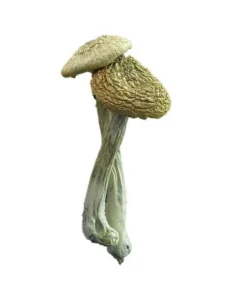
MAGIC MUSHROOMS
Psilocybe Azurescens – Ultra-Potent Wild Psilocybin Mushroom
Price range: $180.00 through $870.00
This product has multiple variants. The options may be chosen on the product page 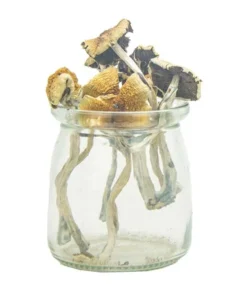
MAGIC MUSHROOMS
Price range: $175.00 through $850.00
This product has multiple variants. The options may be chosen on the product page 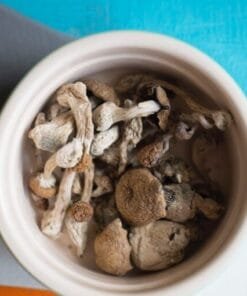
MAGIC MUSHROOMS
Price range: $190.00 through $890.00
This product has multiple variants. The options may be chosen on the product page 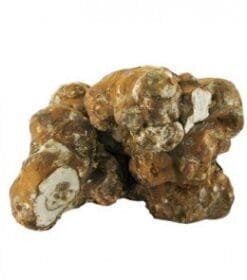
MAGIC MUSHROOMS
Price range: $178.00 through $840.00
This product has multiple variants. The options may be chosen on the product page 
Price range: $185.00 through $920.00
This product has multiple variants. The options may be chosen on the product page 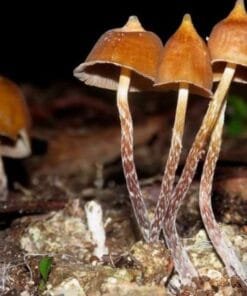
Price range: $178.00 through $865.00
This product has multiple variants. The options may be chosen on the product page 
Price range: $180.00 through $910.00
This product has multiple variants. The options may be chosen on the product page
Kiara Stanton (verified owner) –
Discreet and efficient shipping.
Alyssa Morris (verified owner) –
I’ve never had such a deeply emotional experience from something so simple. The quality here is unmatched.
Tony Briggs (verified owner) –
This allowed me to observe my thoughts without judgment. It changed how I speak to myself now.
Allan Pugh (verified owner) –
The best blend of mental clarity and sensory wonder.
Reagan Harlow (verified owner) –
Potent and clean. No nausea.
Justice Gallo (verified owner) –
Always fresh, always consistent.
Cassius Neville (verified owner) –
I felt so much love during my trip. Thank you for making this safe.
Mallory Bright (verified owner) –
Discreet delivery was on point, and the experience was unforgettable.
Jocelyn Spencer (verified owner) –
I wasn’t just buying something — I was giving myself space to grow, and this site made that feel completely natural.
Spencer Wells (verified owner) –
This was life-shifting, and I’m beyond grateful for how carefully the product was handled.
Heidi Nixon (verified owner) –
So much emotional release, I didn’t know I needed it.
Allison Long (verified owner) –
This product helped me unpack so much mentally — and knowing it came from a reliable, discreet source made all the difference.
Zane Whitley (verified owner) –
Professional, private, and powerful.
Dahlia Boone (verified owner) –
One of the most meaningful experiences I’ve had — and it started with a website that treated it all with respect.
Derrick Norton (verified owner) –
So grateful I found this place. The combination of emotional support and excellent logistics is rare.
Rachel Lewis (verified owner) –
It brought me into the moment in the most intimate way. I noticed the beauty in the tiniest details.
Ivy Gibbs (verified owner) –
This journey opened my eyes and softened my heart. I’m so grateful for the professionalism that made it possible.
Autumn Watson (verified owner) –
The feeling of being in control, yet completely open, was powerful. And the professionalism here makes it all possible.
Ricky Key (verified owner) –
I’ve been exploring for years. These are by far the most reliable.
Kaylani Schaefer (verified owner) –
Perfect for beginners. The journey was gentle but deep.
Elliot Saunders (verified owner) –
The attention to quality shows. I had zero stomach issues.
Jonathan Collins (verified owner) –
The delivery was fast and discreet, which helped me focus fully on the experience itself.
Makayla Myers (verified owner) –
My journey was quiet, deep, and incredibly healing. The ordering experience matched that same energy.
Trevor Cruz (verified owner) –
A positive experience all around.
Miley Brewer (verified owner) –
They don’t just sell — they serve. And that’s why this experience felt so safe.
Shawn Ross (verified owner) –
I’ve waited years for something like this — safe, sacred, and available when I was ready.
Rowan Steele (verified owner) –
It helped me confront something difficult with softness and self-love.
Rodney Little (verified owner) –
Discreet packaging, fast arrival, and a product that helped me finally exhale.
Samuel Simmons (verified owner) –
This helped me close an emotional chapter I’d been stuck in. The quality made that healing possible.
Brady Bishop (verified owner) –
No distractions, no confusion — just a clean, easy journey into myself.
Jared Foster (verified owner) –
Hands down the best source I’ve come across. Quality, care, and customer support were all on point.
Sean Wood (verified owner) –
From start to finish, it felt like I was in good hands. Customer service was responsive and respectful, and the product was top-tier.
Andrew Jackson (verified owner) –
Very satisfied with the entire experience.
Michelle Jordan (verified owner) –
Everything arrived in great condition.
Elena Rivera (verified owner) –
Very pleased with the quality of service.
Nova Stewart (verified owner) –
Everything arrived in excellent condition.
Billy Reynolds (verified owner) –
Everything was handled carefully and professionally.
Vanessa McDonald (verified owner) –
Everything was organized and handled well.
Olivia Smith (verified owner) –
Everything arrived neatly packaged.
Willow Bell (verified owner) –
Really satisfied with the entire experience.
Walter Foster (verified owner) –
The process was organized and efficient.
Ethan Campbell (verified owner) –
Everything was simple and well explained.
Hunter Bailey (verified owner) –
Everything was straightforward and easy.
Shawn Gibson (verified owner) –
Very happy with the overall outcome.
Charlotte Taylor (verified owner) –
Very satisfied with the entire experience.
Ethan Campbell (verified owner) –
Very happy with the overall process.
Emilia Rogers (verified owner) –
Everything was clearly explained.
Nova Stewart (verified owner) –
Really appreciated the clear communication.
Hunter Bailey (verified owner) –
A very pleasant purchasing experience.
Scott Price (verified owner) –
Everything was exactly as described.
George Powell (verified owner) –
The process was smooth and professional.