
No products in the cart.
Psilocybe tampanensis – Magic Truffle of Clarity & Insight
Price range: $178.00 through $840.00
Psilocybe tampanensis, also known as the “Philosopher’s Stone,” is a premium magic truffle known for inducing clarity, empathy, and deep inner vision. Licensed & lab-tested.
Psilocybe tampanensis: Sclerotia and Identification Guide
Psilocybe tampanensis is a psilocybin-containing fungus described from a Florida collection made in 1977 and best known for producing sclerotia called Philosopher’s Stones or magic truffles. Sclerotia are compact vegetative fungal structures rather than mushrooms or true truffles. Verified wild records remain sparse, and its natural distribution is poorly resolved.
What Is Psilocybe tampanensis?
Psilocybe tampanensis is a psilocybin-containing fungus in the family Hymenogastraceae, within the order Agaricales and the division Basidiomycota. It is particularly notable for producing sclerotia, dense persistent masses of fungal tissue that are commercially called Philosopher’s Stones or magic truffles. The species also produces small conventional mushroom fruit bodies with purple-brown spores. Verified wild collections are exceptionally sparse, and its full natural range remains poorly understood.
This guide is intended for researchers, students, and naturalists seeking a scientifically grounded account of the species. It covers taxonomy, sclerotia biology, morphology, microscopy, habitat, distribution, chemical composition, related species, and the current legal framework in the United States. Correct identification of any wild mushroom or fungal structure requires convergent evidence from multiple characteristics. This guide does not encourage foraging or consumption.
Taxonomic Identity at a Glance
| Field | Value |
|---|---|
| Accepted name | Psilocybe tampanensis Guzmán and Pollock |
| Authority | Guzmán and Pollock, 1978 |
| Family | Hymenogastraceae |
| Order | Agaricales |
| Phylum | Basidiomycota |
| Common names | Philosopher’s Stone, Tampa truffle, magic truffle |
| Type locality | Near Tampa, Florida, USA |
| Index Fungorum | indexfungorum.org |
| MycoBank | mycobank.org |
| NCBI Taxonomy | ncbi.nlm.nih.gov/taxonomy |
Readers should verify the exact nomenclatural authority citation and any synonyms directly against Index Fungorum and MycoBank, as authoritative databases are periodically updated.
Taxonomy and Nomenclature
Psilocybe tampanensis was formally described by Gastón Guzmán and Steven H. Pollock in 1978, based on material collected near Tampa, Florida, in 1977. Pollock discovered the original specimen, and the broader awareness of the species in cultivation contexts traces substantially to his work maintaining cultures derived from that collection. The species epithet refers to Tampa, the city near which the type material was gathered.
The species is placed within the psilocybin-producing clade of Psilocybe, a genus substantially revised when non-psilocybin-containing members were segregated into Deconica and related genera based on molecular and morphological evidence. Current nomenclatural records are maintained by Index Fungorum and MycoBank. Sequence data from verified specimens deposited in GenBank support molecular identification through ITS barcoding, and reference sequences are searchable through the UNITE database.
Psilocybe tampanensis Discovery Timeline
The following timeline reflects events supported by primary literature and authoritative taxonomic records. Readers should verify dates against the original publications.
- 1977: Original specimen collected near Tampa, Florida, by Steven H. Pollock.
- 1978: Formal taxonomic description published by Guzmán and Pollock. Pollock subsequently maintained cultures derived from the type collection.
- 1983: Species treated in Guzmán’s monograph on the genus Psilocybe, which remains a primary morphological reference.
- Post-1978: A small number of additional southeastern U.S. reports have been discussed in regional literature, though most lack herbarium vouchers with associated molecular data.
The gap between the 1978 description and subsequent verified wild collections reflects the genuine rarity of documented encounters rather than extensive post-description survey activity.
What Are Psilocybe tampanensis Sclerotia?
Sclerotia are dense, hardened masses of fungal hyphae that function primarily as survival structures, allowing the fungus to persist through unfavorable environmental conditions. They are not mushroom fruit bodies and serve no spore-dispersal function comparable to a gill-bearing mushroom cap.
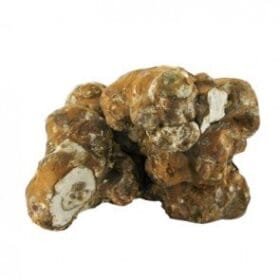
In P. tampanensis, sclerotia form underground or within the substrate and range from small irregular nodules to roughly spherical or lobulate structures. The outer surface is typically brownish and firm, while the interior is whitish to pale yellowish. These structures are metabolically active tissues rather than inert storage bodies, and they contain psilocybin and related alkaloids.
The capacity to produce sclerotia is shared with Psilocybe mexicana and a small number of other Psilocybe species but is not a universal genus trait. Sclerotium formation in laboratory culture is influenced by substrate composition, temperature, moisture, and light conditions.
Are Philosopher’s Stones True Truffles?
No. The term truffle, as applied commercially to P. tampanensis sclerotia, is a popular misnomer that conflates two unrelated biological phenomena. True truffles, such as species in the genus Tuber, are sexual reproductive structures produced by ascomycete fungi in the order Pezizales. Psilocybe tampanensis belongs to Basidiomycota, a separate fungal phylum, and its sclerotia are vegetative structures rather than fruit bodies of any kind. P. tampanensis sclerotia are therefore neither true truffles nor conventional mushrooms. They are compact fungal tissue masses serving a survival and storage function with no reproductive role equivalent to that of a truffle or mushroom.
Psilocybe tampanensis Magic Truffles: What the Term Means
The phrase magic truffle is a commercial and colloquial term applied to sclerotia of P. tampanensis and, in some markets, to those of Psilocybe mexicana. The name captures neither the correct biological identity of the structures nor their taxonomic placement but has become widely used in popular literature and commerce. Understanding that magic truffles are sclerotia rather than true truffles or mushrooms is important for accurate reading of scientific, legal, and medical literature about the species.
Fruit Body vs Sclerotia: Key Differences
| Character | Fruit body | Sclerotium |
|---|---|---|
| Biological function | Sexual reproduction, spore dispersal | Vegetative persistence, resource storage |
| Structure | Cap, gills, stipe, basidia | Dense hyphal mass, no differentiated reproductive tissue |
| Spore production | Yes, via basidia on gill surfaces | No |
| External appearance | Conventional mushroom form | Irregular nodule, brownish exterior |
| Commercial name applied | Mushroom | Philosopher’s Stone, magic truffle |
| True truffle? | No | No |
| Taxonomic group | Basidiomycota | Basidiomycota |
Psilocybe tampanensis Sclerotia Formation: Biology
Sclerotium formation in Psilocybe species involves the aggregation and differentiation of hyphal tissue into compact, melanized structures with a defined outer rind and a denser interior. The biological triggers for sclerotization in P. tampanensis are not fully characterized in the primary literature, but studies on related sclerotium-forming fungi suggest that nutrient limitation, desiccation stress, temperature fluctuation, and substrate transitions can promote the transition from diffuse mycelial growth to sclerotium development.
In laboratory settings, sclerotia of P. tampanensis have been produced on colonized grain and similar cereal-based substrates. The shift from active mycelial colonization to sclerotium consolidation appears to be influenced by reduced available nutrients, altered moisture conditions, and in some accounts, reduced temperature. The biochemical pathways governing psilocybin biosynthesis and accumulation within sclerotia, compared with fruit body tissue, remain an active area of interest in the broader pharmacological literature on psilocybin-containing fungi.
This section describes documented biology rather than cultivation methodology. Any laboratory work involving psilocybin-containing fungi in the United States requires appropriate federal and state authorization under Schedule I research provisions.
Psilocybe tampanensis Taxonomic Data and Measurements
Values below are drawn from the original 1978 description by Guzmán and Pollock and from Guzmán’s 1983 monograph. Readers should consult those primary sources directly for full context, as measurements from different collections may vary slightly.
| Character | Reported range | Source |
|---|---|---|
| Pileus diameter | 10–22 mm | Guzmán and Pollock 1978 |
| Pileus form | Convex to broadly umbonate | Guzmán and Pollock 1978 |
| Stipe length | 20–60 mm | Guzmán 1983 |
| Stipe width | 1.5–3.5 mm | Guzmán 1983 |
| Basidiospore length | approximately 8–12 µm | Guzmán 1983 |
| Spore shape | Subrhomboid to subellipsoid | Guzmán 1983 |
| Spore wall | Thick-walled, germ pore present | Guzmán 1983 |
| Cheilocystidia form | Lageniform to sublageniform | Guzmán 1983 |
| Pleurocystidia | Absent or rare | Guzmán 1983 |
| Basidia | Club-shaped, four-spored | Guzmán 1983 |
| Pileipellis | Gelatinized ixocutis | Guzmán 1983 |
| Amyloid reaction | Non-amyloid in Melzer’s reagent | Guzmán 1983 |
| Spore deposit color | Purple-brown | Guzmán 1983 |
All values represent published ranges from described collections. Readers should verify each character directly against the original description and Guzmán’s 1983 monograph before using these measurements for research or comparative identification, as natural variation across specimens, populations, and developmental stages means individual collections may fall outside published ranges.
Psilocybe tampanensis Identification: Morphology and Field Characters
Identifying P. tampanensis from fruit bodies requires evaluating multiple morphological features together. The species is not commonly encountered in the wild, and identification claims resting on a single field character are not reliable.
What Does Not Identify Psilocybe tampanensis
- Blue bruising alone: Variable and not unique to the species.
- Sclerotium presence: Shared with Psilocybe mexicana and a small number of other species; sclerotium appearance alone does not identify P. tampanensis.
- Habitat in disturbed subtropical soil: Narrows the candidate list but does not confirm species identity.
- Dark spore deposit: Consistent with Psilocybe but shared by other genera.
- Reagent color reactions: Qualitative only; cannot confirm species or safety.
Cap
The pileus is small, typically 10 to 22 mm in diameter. It is convex to broadly umbonate, developing a low central boss rather than a sharp papilla. The surface is hygrophanous, appearing chestnut-brown to tawny when moist and fading to pale buff or straw-yellow as it dries. A viscid or slightly tacky texture may be present under humid conditions, and faint translucent striations may appear at the cap margin when wet.
Gills
The lamellae are adnate to adnexed, close to crowded, and pale grayish-brown when young, darkening to violet-brown or purple-brown as spores mature. Gill edges are typically paler than the faces.
Stem
The stipe is slender, typically 20 to 60 mm tall and 1.5 to 3.5 mm wide. It is fibrous, whitish to pale brownish, and may show faint bluish discoloration at the base. A partial veil may leave traces of a fibrillose or faint membranous ring zone on the stipe, though this is typically not persistent or pronounced.
Blue Bruising
Blue or blue-green discoloration following tissue damage results from the oxidation of psilocin and is variable in P. tampanensis. It may appear on the cap, gills, stipe, or sclerotia following mechanical damage or cutting. Bruising is supporting evidence rather than a species-confirming character, and its absence does not exclude the species.
Odor and Taste
Odor is generally described as faint and slightly farinaceous or starchy. Taste is mild. These characters are not diagnostically reliable, and tasting unknown fungal specimens carries genuine risk.
Psilocybe tampanensis Microscopy
Spores
Basidiospores are subrhomboid to subellipsoid, thick-walled, and dark purple-brown in mass. An apical germ pore is present. Published measurements from Guzmán’s 1983 monograph place spore length at approximately 8 to 12 µm. These dimensions and the germ pore morphology are important comparative characters when evaluating candidate specimens against lookalikes, and measurements must be made with calibrated equipment and compared directly against the primary description.
Cheilocystidia
Cheilocystidia are lageniform to sublageniform with a narrow neck, consistent with the broader cystidial morphology described for psilocybin-containing Psilocybe. When evaluating candidate specimens, cystidial form, spore dimensions, spore ornamentation, and other microscopic characters must be assessed against authoritative descriptions of each candidate taxon individually. No single microscopic character safely distinguishes all Psilocybe specimens from all potentially dangerous small brown mushrooms.
Pleurocystidia and Basidia
Pleurocystidia are absent or rare in P. tampanensis according to published descriptions. Basidia are club-shaped and four-spored.
Pileipellis
The cap cuticle is a gelatinized ixocutis corresponding macroscopically to the viscid cap surface. This gelatinization is visible in tissue sections mounted in water or dilute reagents.
Amyloid Reaction
Basidiospores of P. tampanensis are not amyloid in Melzer’s reagent, a character shared with other psilocybin-containing Psilocybe species.
All microscopic characters listed above are drawn from Guzmán’s 1983 monograph and the original species description. Each should be verified directly against those sources before use in research or comparative identification. Reliable microscopic preparations require fresh material or properly dried and rehydrated specimens, appropriate mounting reagents, and a compound microscope capable of at least 400x magnification with calibrated ocular measurement. The North American Mycological Association provides resources on mycological microscopy technique.
Psilocybe tampanensis Spore Print
Psilocybe tampanensis produces a purple-brown spore deposit. A print is obtained by placing a cap gill-side down on white paper for several hours, covered to prevent air movement from dispersing the deposit, then examined in natural light.
A rusty, cinnamon-brown, or ochraceous spore deposit is inconsistent with P. tampanensis and should redirect attention toward other genera. Pholiotina and some Conocybe species, which can contain amatoxins, produce rusty-brown spores and may occur in similar subtropical or disturbed habitats. A purple-brown print is consistent with Psilocybe but is not a species confirmation. It is most usefully applied to eliminate certain dangerous lookalikes when combined with other morphological and ecological evidence.
Psilocybe tampanensis Habitat and Where It Is Native
Psilocybe tampanensis was described from material collected from disturbed sandy soil near a horse pasture outside Tampa, Florida. The subtropical climate, sandy substrate, and disturbed-ground character of the type locality are consistent with the ecology of other subtropical Psilocybe species, though the species has not been systematically surveyed in the wild.
Additional reports from Mississippi and other parts of the southeastern United States have appeared in regional mycological literature, but many of these records are not supported by herbarium vouchers with associated morphological descriptions and molecular sequence data. The species’ full natural distribution genuinely remains unresolved. Distribution claims extending its range substantially beyond the southeastern United States without voucher support should be treated with caution.
Verified distribution data are best assessed through curated herbarium records accessible via MyCoPortal, which aggregates georeferenced specimen data from North American institutions, rather than through unverified photographic observation platforms.
What Evidence Exists for Wild Rarity?
Psilocybe tampanensis has very few documented wild records. A search of major North American herbarium aggregators reveals a small number of accessioned specimens, concentrated near the southeastern United States type locality, with the majority of database entries either unverified photographic observations or cultivation-derived records rather than wild-collected vouchers with confirmed morphological and molecular data.
Readers conducting their own searches through MyCoPortal should distinguish between specimen records from institutional herbaria, which represent the most reliable evidence, and community-submitted observation records, which may include misidentifications. The number of wild-collected, herbarium-deposited, morphologically verified P. tampanensis records accessible as of the date this article was prepared is small enough that the species must genuinely be considered rarely collected in the wild.
Sparse collections do not by themselves prove biological rarity, population decline, or endangered status. Collection effort, identification difficulty, habitat specificity, and infrequent fruiting all affect record frequency independently of actual abundance. Formal conservation conclusions would require standardized population surveys across defined sites over multiple seasons.
Psilocybe tampanensis Seasonality
The original collection was made in summer 1977, consistent with warm, humid subtropical conditions. The species’ full seasonal window in the wild is not well characterized because documented wild collections are so limited. In subtropical Florida and the Gulf Coast region, Psilocybe species generally fruit during warm, moist periods following rainfall. Without a reliable series of dated wild collections spanning multiple years and localities, specific fruiting windows cannot be defined with the confidence applicable to better-documented species.
Psilocybe tampanensis Lookalikes and Related Species
Because verified wild collections of P. tampanensis are rare, the most practically relevant lookalike concerns involve the identification of any small, slender, hygrophanous, purple-spored mushroom in subtropical and warm temperate habitats.
Psilocybe mexicana
Psilocybe mexicana is the most closely related well-known sclerotium-forming Psilocybe and occurs primarily in Mexico and Central America. Both species produce sclerotia and small fruit bodies with similar general morphology. Sclerotium appearance alone does not distinguish the two species, and neither sclerotium shape nor color is a reliable differentiating character without additional evidence. Reliable separation requires careful comparison of authoritative morphological and microscopic characters, geographic provenance, and potentially voucher-linked molecular sequence data.
Psilocybe cubensis
Psilocybe cubensis produces substantially larger mushrooms, is strongly associated with herbivore dung substrates, and does not characteristically form sclerotia. Its larger stature, broadly expanding cap, robust stipe, and prominent skirt-like annulus generally allow macroscopic differentiation from P. tampanensis fruit bodies, though full morphological and microscopic examination remains best practice for any formal identification.
Pholiotina and Conocybe Species
Various Pholiotina and Conocybe species occur in subtropical lawns and disturbed soils and produce small brown hygrophanous mushrooms. Some Pholiotina species can contain amatoxins. Spore prints from these genera are typically rusty-brown to cinnamon rather than purple-brown, providing the most accessible field separation from P. tampanensis. Microscopy against authoritative descriptions is required for confident differentiation.
Galerina Species
Galerina marginata and related species are primarily lignicolous, meaning they fruit from decaying wood and woody debris rather than from bare soil or turf. They can contain amatoxins causing potentially fatal delayed liver injury and produce rusty-brown spores. In woodchip beds or substrates containing buried woody material, Galerina species may occur in proximity to soil-fruiting Psilocybe. A rusty-brown spore print is the most accessible field indicator distinguishing Galerina from P. tampanensis. Any suspected Galerina exposure requires urgent evaluation by poison control and emergency medical services.
Psilocybe tampanensis vs Psilocybe mexicana and Psilocybe cubensis
| Character | P. tampanensis | P. mexicana | P. cubensis |
|---|---|---|---|
| Sclerotia | Yes | Yes | Not characteristically |
| Fruit body size | Small, 10–22 mm cap | Small | Large, 20–80 mm+ cap |
| Annulus | Faint or absent | Absent | Prominent, skirt-like |
| Substrate | Sandy soil, disturbed ground | Subtropical meadows, grassland | Herbivore dung |
| Primary documented range | Southeastern USA | Mexico, Central America | Subtropical worldwide |
| Spore print | Purple-brown | Purple-brown | Purple-brown to black |
| Blue bruising | Variable | Variable | Yes, generally consistent |
| Key differentiator | Provenance, morphology, microscopy, molecular data | Provenance, morphology, microscopy, molecular data | Size, annulus, substrate ecology |
Psilocybe tampanensis Active Compounds and Potency
Psilocybin Content in Psilocybe tampanensis
Psilocybe tampanensis contains psilocybin, psilocin, baeocystin, and norbaeocystin. Both the fruit bodies and sclerotia have been reported to contain these compounds, with concentrations differing between tissue types and varying further with hydration state, since fresh and dried tissues have markedly different water content that affects any comparison expressed on a fresh-weight basis.
Early biological activity in cultured sclerotia was documented following Pollock’s maintenance of cultures derived from the type collection. Subsequent analytical studies using HPLC and LC-MS have detected psilocybin and related alkaloids in P. tampanensis material, though published concentration values differ across studies, specimens, growth conditions, and developmental stages. Readers should consult primary analytical literature directly and confirm that cited studies used authenticated P. tampanensis specimens rather than adjacent species or unverified material, as the scarcity of well-characterized wild collections makes source authentication an important variable in interpreting any reported figure.
There is no scientifically defensible universal potency percentage for P. tampanensis. Alkaloid concentrations vary with tissue type, hydration state, genetic variation among cultures, developmental stage, storage conditions, and analytical methodology. Published numerical claims should be linked to specific authenticated specimens analyzed by validated methods rather than treated as fixed species values.
Reagent Tests
The Ehrlich reagent produces a violet or purple color reaction with indole compounds including psilocybin and psilocin. The Marquis reagent is reported to produce an orange-to-brown reaction in the presence of psilocybin. Both are qualitative screening tools only. A positive Ehrlich reaction indicates indole compound presence but does not identify the species or confirm safety. Reagent results must not be used as species or safety confirmation in isolation.
Psilocybe tampanensis Molecular Identification
ITS sequencing is the standard DNA barcoding approach for fungal identification and is used to compare specimen sequences against verified reference sequences in GenBank and the UNITE database. Multilocus approaches using RPB1, RPB2, and beta-tubulin provide greater resolution for species-level discrimination within Psilocybe.
Because wild P. tampanensis collections are so sparse, the number of voucher-linked sequences available in reference databases is limited compared with more frequently collected species. This gap means molecular identification carries greater interpretive uncertainty than for well-represented taxa, and sequence results should be interpreted alongside full morphological examination of all available characters.
Is Psilocybe tampanensis Rarer Than Psilocybe stuntzii?
Both species are infrequently encountered in the wild relative to more broadly distributed psilocybin-containing fungi, and a precise comparison is difficult to make. Psilocybe tampanensis is documented from a very small number of verified wild collections near its southeastern U.S. type locality. Psilocybe stuntzii has more numerous herbarium records from the Pacific Northwest but has been reported less frequently in recent decades.
Rarity here reflects documented collection frequency rather than any formal conservation assessment. Neither species has been formally evaluated under a recognized conservation framework. Changes in collection effort, habitat, observer reporting behavior, and identification practices all affect apparent database frequency independently of biological abundance. Raw record counts are not equivalent to population data.
Psilocybe tampanensis Legal Status USA
Psilocybin and psilocin are Schedule I controlled substances under the Controlled Substances Act, administered by the U.S. Drug Enforcement Administration. As of September 2026, federal law prohibits the manufacture, distribution, possession, and use of these compounds without a DEA Schedule I researcher registration. Psilocybin-containing sclerotia are subject to this classification regardless of the commercial terminology applied to them.
The legal status of fungal spores, which do not themselves contain psilocybin or psilocin, varies by jurisdiction and is subject to ongoing legal interpretation in some states. This article does not provide legal advice, and readers should consult current regulatory sources and qualified legal counsel for jurisdiction-specific guidance.
State and local legal frameworks differ from federal law. Oregon established a regulated psilocybin services framework under Measure 109, and Colorado passed Proposition 122 creating a similar model. Several municipalities have enacted decriminalization measures. Decriminalization, regulated service access, enforcement prioritization, and federal legality are distinct legal concepts. State and local policies do not override federal law.
Researchers seeking to work with psilocybin or psilocin must obtain appropriate federal and state authorizations. Current regulatory information is available through the DEA Diversion Control Division.
Safe Identification Principles
No single macroscopic feature reliably identifies Psilocybe tampanensis or rules out dangerous lookalikes. Authoritative identification combines the following:
- Full field morphology evaluated across cap, gills, stipe, veil, and bruising characters
- Spore print color obtained from a physical specimen
- Microscopy of spores and cystidia with calibrated measurements compared against the primary literature for each candidate taxon
- Documented habitat, substrate, and geographic provenance
- Where possible, molecular confirmation through ITS or multilocus sequencing linked to a herbarium voucher
The relative rarity of verified P. tampanensis wild collections makes claims based on casual field observation particularly unreliable for this species.
Anyone who suspects mushroom or sclerotia-related poisoning should contact the American Association of Poison Control Centers at 1-800-222-1222 immediately and seek emergency medical evaluation without waiting for symptoms to develop. Amatoxin poisoning from misidentified Galerina or Pholiotina specimens has a characteristic delayed onset during which the patient may appear to stabilize before severe hepatic injury occurs. Suspected exposure is a medical emergency.
Frequently Asked Questions
What is Psilocybe tampanensis?
Psilocybe tampanensis is a psilocybin-containing fungus in the family Hymenogastraceae, originally described from material collected near Tampa, Florida, in 1977. It is especially notable for producing compact fungal structures called sclerotia, commonly marketed as Philosopher’s Stones or magic truffles.
What are Psilocybe tampanensis sclerotia?
Sclerotia are dense, persistent masses of fungal tissue associated with survival and resource storage rather than reproduction. In P. tampanensis they are popularly called Philosopher’s Stones or magic truffles, but they are not mushroom fruit bodies and are not true truffles in any mycological sense.
What is the difference between Psilocybe tampanensis sclerotia and fruit bodies?
A P. tampanensis fruit body is a reproductive mushroom with a cap, gills, stipe, and spore-producing basidia. A sclerotium is a compact vegetative structure associated with persistence and stored resources. The same fungal species produces both, but they serve different biological functions and differ substantially in structure and appearance.
Where is Psilocybe tampanensis native?
The species was described from a collection near Tampa, Florida. Additional southeastern U.S. reports have been discussed in regional literature, but verified wild collections are exceptionally sparse and its complete natural distribution remains poorly resolved. Distribution claims beyond the southeastern United States should be supported by herbarium vouchers and molecular data.
How does Psilocybe tampanensis differ from Psilocybe mexicana?
Both species can produce sclerotia and small purple-brown-spored fruit bodies. Reliable separation requires careful comparison of authoritative morphological and microscopic characters, geographic provenance, and potentially voucher-linked molecular sequence data. Sclerotium appearance alone does not distinguish them.
How does Psilocybe tampanensis differ from Psilocybe cubensis?
Psilocybe cubensis produces substantially larger mushrooms, is strongly associated with herbivore dung, and does not characteristically form sclerotia. The size difference, substrate association, and prominent annulus of P. cubensis generally allow macroscopic differentiation from P. tampanensis, though full morphological examination remains best practice.
How potent are Psilocybe tampanensis sclerotia?
There is no reliable species-wide potency figure. Alkaloid concentrations vary with tissue type, hydration, genetic variation among cultures, developmental stage, storage, and analytical methodology. Published numerical claims should be linked to specific authenticated specimens analyzed by validated methods such as HPLC or LC-MS rather than treated as fixed species values.
Is Psilocybe tampanensis legal in the United States?
Psilocybin and psilocin remain Schedule I controlled substances under U.S. federal law as of September 2026, making psilocybin-containing sclerotia federally controlled regardless of the commercial terminology applied to them. State and local policies vary but do not override federal law.
Psilocybe tampanensis: Summary
Psilocybe tampanensis is a biologically distinctive member of the psilocybin-producing Psilocybe clade, formally described in 1978 from material collected near Tampa, Florida. Its capacity to produce sclerotia, commonly called Philosopher’s Stones or magic truffles in popular and commercial contexts, makes it unusual among Psilocybe species, a trait shared most closely with Psilocybe mexicana. Those sclerotia are dense vegetative structures containing psilocybin-related tryptamines. They are not mushroom fruit bodies and not true truffles, which are reproductive structures produced by unrelated ascomycete fungi in a different phylum entirely.
Verified wild collections are exceptionally limited, and the species’ natural distribution is genuinely poorly resolved. No species-wide potency figure is scientifically defensible given the variation in alkaloid concentrations across tissue types, specimens, and analytical conditions. Dangerous lookalikes including Galerina and Pholiotina species occur in overlapping subtropical and disturbed habitats, making spore print color and microscopic examination essential components of any identification attempt. Psilocybin and psilocin remain Schedule I controlled substances under U.S. federal law as of September 2026, regardless of state or local policy or the commercial terminology applied to the fungal structures.
References and Scientific Sources
Taxonomy, nomenclature, and morphology
- Guzmán, G., and Pollock, S.H. (1978). Original species description of Psilocybe tampanensis. Verify exact publication details against Index Fungorum and MycoBank.
- Guzmán, G. (1983). The Genus Psilocybe: A Systematic Revision of the Known Species Including the History, Distribution, and Chemistry of the Hallucinogenic Species. J. Cramer, Vaduz. Primary source for morphological measurements and microscopic characters cited in this article.
- Index Fungorum: indexfungorum.org
- MycoBank: mycobank.org
- NCBI Taxonomy: ncbi.nlm.nih.gov/taxonomy
Regional identification
- Stamets, P. (1996). Psilocybin Mushrooms of the World. Ten Speed Press.
Chemistry
- Stijve, T., and Kuyper, T.W. (1985). Occurrence of psilocybin in various higher fungi from several European countries. Planta Medica, 51(5), 385-387. Note: covers European collections; verify whether P. tampanensis was among analyzed species before citing as direct evidence for this species.
- Gartz, J. (1994). Extraction and analysis of indole derivatives from fungal biomass. Journal of Basic Microbiology, 34(1), 17-22.
Distribution and herbarium data
- MyCoPortal: mycoportal.org
- UNITE fungal ITS database: unite.ut.ee
- GenBank: ncbi.nlm.nih.gov/genbank
Toxicology and safety
- American Association of Poison Control Centers: poisoncontrol.org — 1-800-222-1222
- Centers for Disease Control and Prevention: cdc.gov
Legal framework
- U.S. Controlled Substances Act, 21 U.S.C. § 812
- DEA Diversion Control Division: deadiversion.usdoj.gov
| QUANTITY | OZ, 1/4 POUND, 1/2 POUND, POUND |
|---|
51 reviews for Psilocybe tampanensis – Magic Truffle of Clarity & Insight
Add a review
Related products
Price range: $170.00 through $830.00
This product has multiple variants. The options may be chosen on the product page 
MAGIC MUSHROOMS
Price range: $185.00 through $930.00
This product has multiple variants. The options may be chosen on the product page 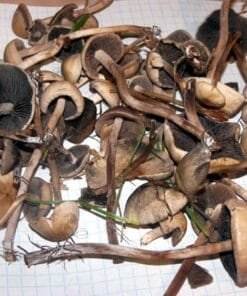
Price range: $190.00 through $890.00
This product has multiple variants. The options may be chosen on the product page 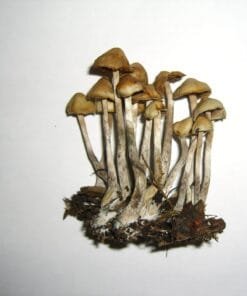
Price range: $190.00 through $890.00
This product has multiple variants. The options may be chosen on the product page 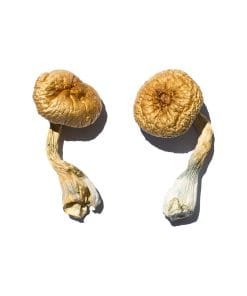
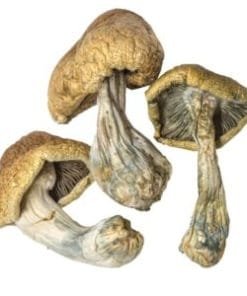
Price range: $185.00 through $860.00
This product has multiple variants. The options may be chosen on the product page 
Price range: $185.00 through $920.00
This product has multiple variants. The options may be chosen on the product page 
Price range: $180.00 through $910.00
This product has multiple variants. The options may be chosen on the product page 
MAGIC MUSHROOMS
Price range: $190.00 through $890.00
This product has multiple variants. The options may be chosen on the product page
Cassius Neville (verified owner) –
Exactly what I was hoping for—clarity, peace, insight.
Jeremias Gold (verified owner) –
A soul massage.
Alondra Shields (verified owner) –
I saw myself—and I liked what I saw.
Lena McFadden (verified owner) –
The attention to quality shows. I had zero stomach issues.
Emerson Norris (verified owner) –
I expected a good trip, but I didn’t expect emotional healing and a full-circle experience like this.
Holly Ferrell (verified owner) –
Delivery was fast, and the product was in excellent condition.
Juliana Welch (verified owner) –
They don’t just sell — they serve. And that’s why this experience felt so safe.
Clark Sims (verified owner) –
You guys made it feel safe, sacred, and smooth. Thank you.
June Hampton (verified owner) –
Beautiful, delicate, and full of hidden lessons. I’m still unpacking it days later.
Lawson Crane (verified owner) –
I trust the process, because I trust this supplier.
Jared Foster (verified owner) –
I’ve tried different sources in the past, but none gave me this level of emotional depth and trust.
Neil Dennis (verified owner) –
Incredible introspective depth. I could finally hear my intuition clearly.
Porter Wynn (verified owner) –
Absolutely reliable service. The quality surpassed anything I’ve tried locally.
Anika Lockhart (verified owner) –
They came in perfect condition—fresh and ready.
Claire West (verified owner) –
Even before I began, I felt calm knowing how smoothly and privately everything had been handled.
Nehemiah Finnegan (verified owner) –
Zero bad vibes—felt clean and sacred.
Willow Love (verified owner) –
My session brought clarity and calm, and the ordering process gave me the trust I needed to begin.
Chloe Nelson (verified owner) –
From the discreet box to the powerful clarity during my trip, every part of this journey was handled with intention.
Stephanie Thompson (verified owner) –
Everything arrived looking clean and professional, which helped me relax before the experience even began.
Brylee Hensley (verified owner) –
Perfect for beginners. The journey was gentle but deep.
Selah McCollum (verified owner) –
My third eye said thank you.
Raymond Joseph (verified owner) –
I wasn’t just buying something — I was giving myself space to grow, and this site made that feel completely natural.
Jocelyn Spencer (verified owner) –
This was handled like a wellness experience, not just a transaction. I appreciate that more than I can say.
Wayne Pratt (verified owner) –
This is more than just a shop. It’s a trustworthy path into inner work.
Zoey Green (verified owner) –
A straightforward and satisfying experience.
Desmond Cain (verified owner) –
It was as if my mind rearranged itself gently — no chaos, just clarity.
Daniel Clark (verified owner) –
I trusted my gut when I placed the order, and I’m glad I did. What I received was exactly what I needed.
Scott Price (verified owner) –
The whole experience was positive.
Jade Lambert (verified owner) –
When something this powerful is handled with love and care, it becomes more than a product — it becomes a moment.
Dean Cummings (verified owner) –
This isn’t just a product — it’s a safe invitation to come back home to yourself.
Clark Sims (verified owner) –
A deeply emotional journey that was only possible because I knew I was in good hands.
Dylan Flores (verified owner) –
The emotional clarity I gained from this session is hard to put into words. It felt safe, guided, and surprisingly gentle.
Kendall McCoy (verified owner) –
Beautiful, delicate, and full of hidden lessons. I’m still unpacking it days later.
Sofia Harris (verified owner) –
The entire process was simple and hassle-free.
Victoria Allen (verified owner) –
Everything was handled carefully and professionally.
Ashley Foster (verified owner) –
Really impressed with the attention to detail.
Keith Myers (verified owner) –
Everything went according to plan.
Brooklyn Mitchell (verified owner) –
The purchasing process couldn’t have been easier.
Gabriel Bell (verified owner) –
A straightforward and satisfying experience.
Chase Ortiz (verified owner) –
Everything was handled smoothly.
Audrey Turner (verified owner) –
The entire process was efficient.
Ella Thompson (verified owner) –
The entire process was straightforward.
Ella Thompson (verified owner) –
Everything arrived in excellent condition.
Jade Flores (verified owner) –
The whole process went without a hitch.
Olivia Smith (verified owner) –
The process was easy from start to finish.
Grace Walker (verified owner) –
Really pleased with how everything turned out.
Douglas Alexander (verified owner) –
The process was organized and efficient.
Kennedy Reed (verified owner) –
The whole process went without a hitch.
Autumn Sanders (verified owner) –
Excellent experience overall. Everything was straightforward.
Keith Myers (verified owner) –
Everything was exactly what I anticipated.
Evelyn Jackson (verified owner) –
Everything worked out perfectly.